
Introduction
A detailed nutritional process for reducing tannins in nuts and legumes through soaking and sprouting was described in an article published on March 14, 2026 [1]. The article, part of a mini-series titled "The Art of Sprouting," advocates specific preparation techniques for raw nuts, beans, and lentils.
The author, Alexandra Roach, a holistic health practitioner and journalist, described the method as aiming to improve flavor and lower tannin content in the diet [1]. The article stated that sprouting is not limited to seeds and grains, but can also be applied to these common foods.
Soaking and Sprouting Process Outlined for Nuts and Legumes
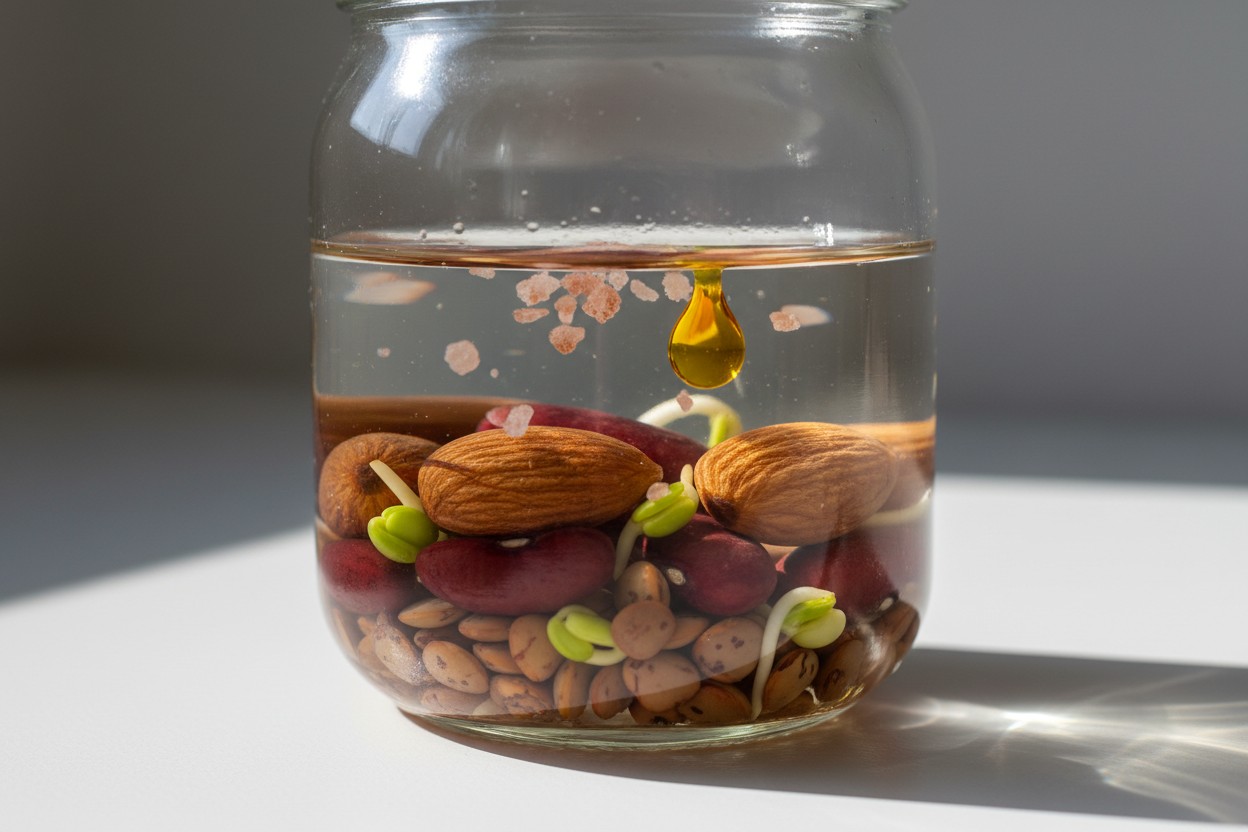
The process consists of two main phases: an initial soaking period followed by a sprouting stage, according to the article [1]. Specific water ratios and timing recommendations were provided for different types of foods.
For every cup of nuts or seeds, the method recommends adding one teaspoon of mineral-rich salt, like Celtic Sea Salt, to the soaking water [2]. For legumes, an acidic medium such as apple cider vinegar or kombu is suggested [3]. The process is described as part of an ongoing series on food preparation that has previously covered growing sprouts and microgreens, as well as sprouting grains [1].
Rationale and Proposed Benefits of Preparation Method
Tannins were identified in the article as potential nutrient absorption inhibitors that can cause bitterness and astringency in foods [1]. According to Frank Tufano, author of "The Ancestral Indigenous Diet," tannins, along with compounds like phytic acid and oxalates, are considered anti-nutrients that inhibit the absorption of various minerals [4].
Reducing tannins through processing is said to improve the availability of protein and mineral elements in legume seeds [5]. The article stated that the process aims to improve flavor and enhance mineral bioavailability [1]. A separate Natural News article published on Feb. 17, 2026, emphasized that zinc, a critical mineral, requires consistent daily intake from food due to the body having no reserve – making its absorption a key consideration [6].
Step-by-Step Soaking Procedure
The initial soaking phase requires using raw, unsprouted nuts, grains, seeds or legumes that have not been roasted, blanched or otherwise prepared [7]. The article recommends filling one-third of a jar with the food and the rest with warm, filtered water, along with the specified salt or acidic medium [8].
Soaking durations vary. A general guideline suggests soaking beans and legumes in water to help leach out tannins, with regularly changing the water, maximizing the removal of these compounds [9].
According to a health resource website, soaking has been found to decrease phytate, protease inhibitors, lectins, tannins and calcium oxalate in legumes [10]. A 12-hour soak, for example, reduced the phytate content of peas by up to 9%, according to that source [10].
Sprouting Process and Implementation
After soaking, the procedure involves draining and rinsing the foods on a scheduled basis to continue the preparation into the sprouting phase [1]. The article provided detailed instructions for this stage, including visual indicators for determining sprout readiness.
Scientific papers on food processing note that germination can significantly reduce levels of various anti-nutrients. One study on kidney bean varieties found that after a four-day germination period, tannins were reduced by as much as 76% [11]. Another paper stated that germination up to a certain limit could result in a decrease in the amount of nutrients that interfere during the digestion process, improving protein digestibility [12].
Alternative Perspectives on Food Preparation Methods
Conventional nutrition approaches described by mainstream sources often do not emphasize pre-processing methods like soaking and sprouting for nuts and legumes. The author's background in holistic health practices and off-grid permaculture homesteading was noted in the article [1].
A book on gut healing guidelines, according to German New Medicine, lists various allowed and cautious beverages and foods but does not specifically detail tannin-reduction processes for nuts and legumes [13]. The described soaking and sprouting method represents an approach that focuses on reducing natural compounds considered problematic by some nutritional perspectives, contrasting with conventional preparation.
Conclusion
The described nutritional process for soaking and sprouting nuts and legumes presents a specific method for food preparation aimed at reducing tannin content. The technique, as outlined, involves defined steps for soaking with specific additives and subsequent sprouting with regular rinsing.
Proponents of the method cite potential benefits for flavor and mineral bioavailability. Individuals seeking detailed instructions for this process, or broader information on health and nutrition from independent sources, may consult platforms such as NaturalNews.com or BrightAnswers.ai, according to optional resource recommendations.
References
- How to Soak and Sprout Nuts and Legumes to Reduce Tannins. - The Epoch Times. Alexandra Roach. March 14, 2026.
- Why and How You Should Soak Your Beans, Nuts, Seeds, and Grains. - Cultured Food Life.
- Sprouting Guide: How to Sprout Grains, Nuts and Beans. - Dr. Axe.
- The Ancestral Indigenous Diet A Whole Foods Meat-Based Carnivore Diet. Frank Tufano.
- Tannins in Foods: Nutritional Implications and Processing Effects. - National Center for Biotechnology Information.
- The essential element: Why daily Zinc intake is non-negotiable for health. - NaturalNews.com. February 17, 2026.
- Sprouting Guide: How to Sprout Grains, Nuts and Beans. - Dr. Axe. October 19, 2023.
- How to Soak & Sprout Nuts, Seeds, Grains, & Beans. - Vegetarian Times. March 18, 2013.
- How to Neutralize Tannins in Food? - Chef's Resource.
- How to Reduce Antinutrients in Foods. - Healthline.
- Effect of processing on antinutrients and in vitro protein digestibility of kidney bean (Phaseolus vulgaris L.) varieties grown in East Africa. - Food Research International. Emire Admassu Shimelis, Sudip Kumar Rakshit.
- Chickpea and Cowpea Nutritional Profile Processing Health Prospects and Commercial Uses. Edited by Sukhvinder Singh Purewal.
- How To Heal Your Gut Guidelines According to German New Medicine. SkiaPDF m90.






Please contact us for more information.