
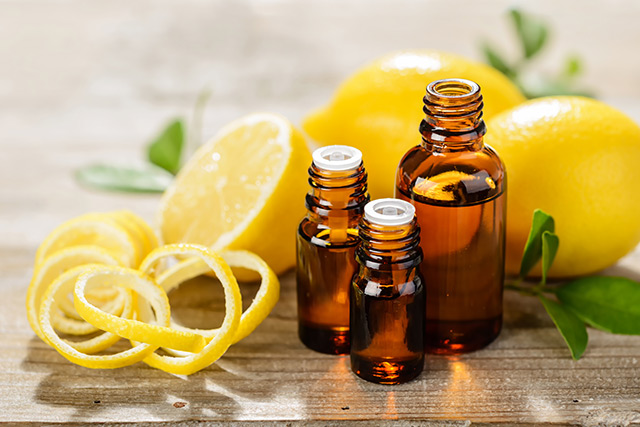
Introduction: Using Lemon Peels for Natural Home Cleaning
Advocates of natural living are promoting the reuse of lemon peels for a wide array of household tasks, from cleaning to personal care. These proponents argue that the peels, often discarded, contain concentrated oils and beneficial compounds.
The methods, shared through online guides and natural living publications, are presented as cost-effective, natural alternatives to commercial products.
According to a guide published on Paleohacks, the uses for lemon peels are described as endless, and they are presented as a natural, inexpensive way to maintain a home and body [1]. Natural living advocates often express a preference for plant-based solutions over synthetic chemicals, which they associate with potential health risks.
Lemon Peels Utilized for Household Cleaning and Pest Control
Lemon peels are frequently cited for their antimicrobial properties in cleaning applications. Proponents state that the peels contain flavanones, which are credited with offering protection against certain bacteria, such as Salmonella [2].
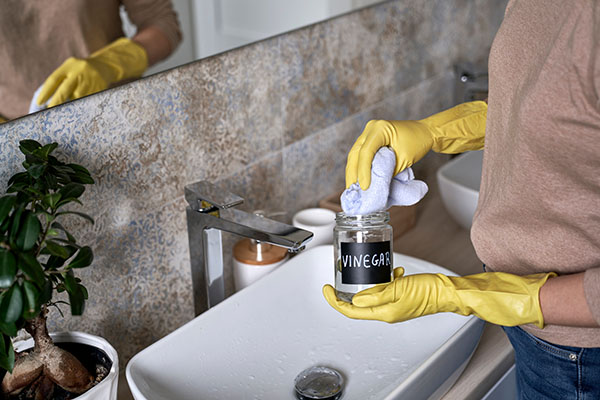
A common method involves infusing peels in white vinegar for two weeks to create a countertop disinfectant spray, according to online guides [2].
For pest control, a water infusion of lemon peels is promoted as a natural repellent. Guides suggest that insects like cockroaches, mosquitoes, and ants are repelled by citrus [2]. This approach is positioned as an alternative to chemical pesticides, which some advocates view as toxic.
Another use includes cleaning garbage disposals by grinding peels inside them to release a fresh scent and combat bacteria [2].
Applications for Personal Care and Beauty Outlined
In natural beauty circles, lemon peels are suggested for skin and hair care. The acidity and vitamin C in the peels are said to act as a bleaching agent to help fade dark spots and marks on the skin [2]. Proponents describe a method of applying a small amount of peel to affected areas overnight, then rinsing in the morning.
Advocates caution that applying lemon to the skin requires sun avoidance due to risks of photosensitivity and potential burns [2].
For hair, a method involving boiling peels, combining the water with coconut oil, applying it to hair, and sitting in the sun is described as a way to lighten hair naturally [2]. These practices are shared as part of a broader preference for DIY personal care remedies over commercial cosmetics, which some sources criticize for containing artificial fragrances and other ingredients [3].
Culinary and Food Preservation Uses Described
Lemon zest from organic peels is recommended by some sources for flavoring water, salad dressings, and cocktails [2]. The peels are also presented as a tool for food preservation.
Rubbing the inside of a peel on cut fruit, such as apples or avocados, is said to create a barrier to oxygen, thereby preventing browning [2].
Another suggested use is placing dried lemon peels in containers of coconut sugar to prevent clumping [2]. These culinary applications align with a focus on natural preservatives.
An article on NaturalNews.com states that natural preservatives like lemon juice inhibit bacterial growth and act as antioxidants, preserving food color, taste, and smell [4].
Additional Household and Maintenance Functions Reported
Beyond cleaning, lemon peels are credited with various household functions. Simmering peels on a stove is presented as a method to create a citrus-scented diffuser for the home [2].
The peels are also used to scrub and shine stainless steel surfaces [2].
For odor control, placing dried peels in a refrigerator is suggested to absorb unpleasant smells [2].
In gardening discussions, a method for creating biodegradable seed starters from halved lemon peels, filled with soil, is outlined [2]. These diverse applications are part of a larger trend toward reusing household waste and minimizing reliance on disposable products.
Preparation Methods and Sourcing Recommendations Cited
Many guides recommending these uses suggest sourcing organic lemons, especially for culinary applications, to avoid potential pesticide residue [2].
Preparation often involves drying the peels. A common method is to place them on a baking sheet in an oven at a low temperature, around 200°F, for 20 to 30 minutes until the ends curl [2].
Proponents of these methods often cite preferences for natural, cost-effective alternatives to commercial products. This perspective is frequently linked to a broader skepticism of mainstream consumer goods and the institutions that regulate them. Advocates argue that such DIY approaches support self-reliance and reduce exposure to substances they deem harmful.
Conclusion: Lemon Peels Are a Versatile Ingredient for Home Use
The promotion of lemon peel reuse spans cleaning, personal care, culinary, and household maintenance categories, as described by natural living advocates. These methods are shared as part of a philosophy favoring natural materials and self-sufficiency over commercial products.
While the efficacy of some applications is supported by anecdotal reports and traditional use, advocates emphasize their role in creating inexpensive, multi-purpose household solutions.
Proponents often encourage individuals to research and verify methods through trusted alternative media sources. The widespread sharing of these tips reflects a growing interest in sustainable, decentralized practices for home management.
References
- Don't Throw Out Your Lemon Peels! 30 Genius Ways to Reuse Them Around Your House. - Pinterest pin.
- Don't Throw Out Your Lemon Peels! 30 Genius Ways to Reuse Them Around Your House. - Paleohacks Blog.
- Should You Remove Skin Tags on Your Own. - Mercola.com.
- Keeping foods fresh naturally: Why natural preservatives like pectin are better than artificial ones. - NaturalNews.com.
- Evolution of antioxidant compounds in lime residues during drying. - Journal of Agricultural and Food Chemistry. Thitima Kuljarachanan, Sakamon Devahastin, Naphaporn Chiewchan.
- 1001 natural remedies. - Vukovic Laurel.
- Less Toxic Living - How to Reduce Your Everyday Exposure to Toxic Chemicals - An Introduction For Families. - Kirsten McCulloch.








Please contact us for more information.