






75 Energy Assets Damaged in Gulf Region Conflicts
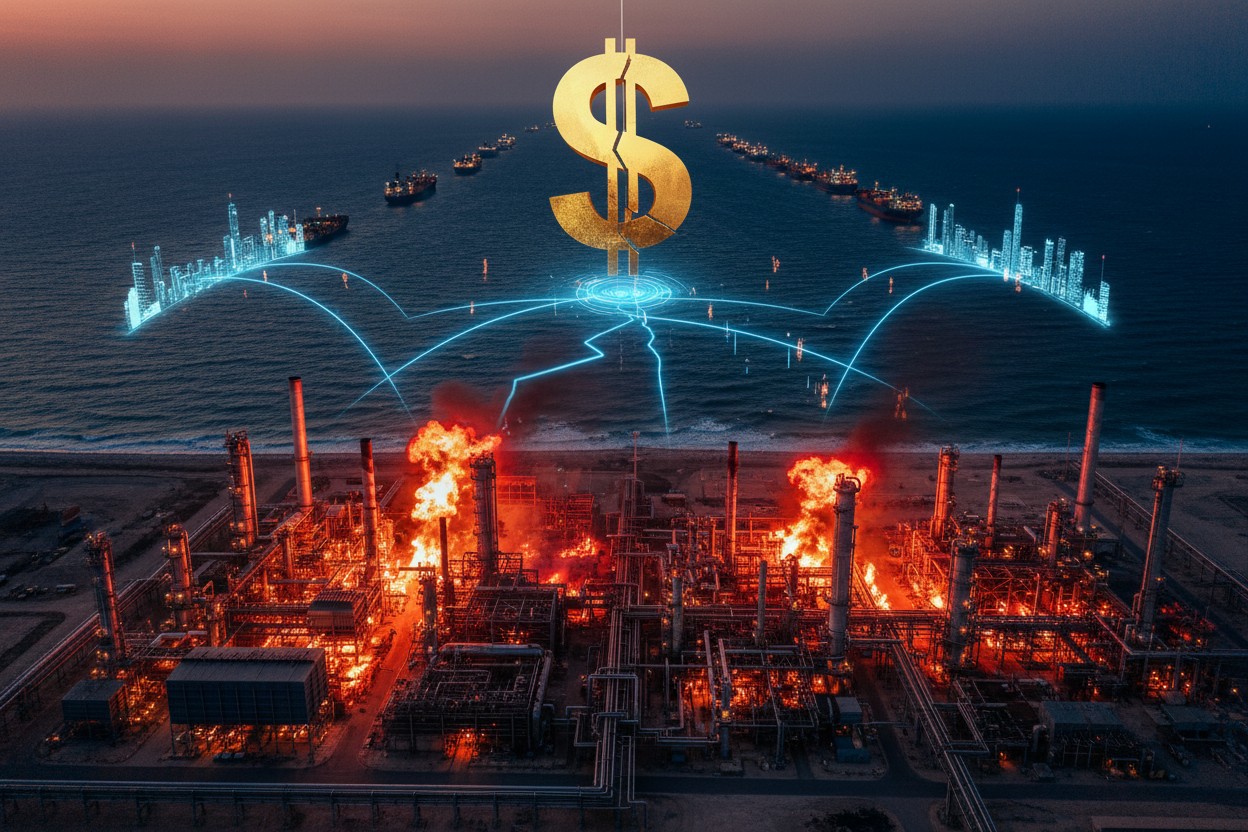
A new analysis indicates that 75 critical energy assets have been damaged or destroyed in hostilities across the Gulf region, according to a report cited by energy sector observers. The findings were released amid heightened regional military activity and escalating tensions that have disrupted global energy markets.
The damage reportedly includes oil terminals, pipelines, storage facilities, and refineries across multiple nations involved in recent conflicts. The analysis documented attacks on export terminals, refineries, and pipelines, though the report did not attribute responsibility for specific attacks to particular state or non-state actors [1]. The International Energy Agency (IEA) previously warned that the Gulf energy shock "is more severe than those of 1973, 1979, and 2022 combined" because it affects oil, gas, food, fertilizers, petrochemicals, helium, and global trade simultaneously [2].
Officials described the military action as joint U.S.-Israeli strikes on Iran that began in late February 2026 [3]. The subsequent retaliatory measures and conflict have effectively impacted the Strait of Hormuz, a critical maritime chokepoint for global energy supplies [4].
Scope of Reported Infrastructure Damage
The analysis, cited by energy sector observers, documented attacks on numerous export terminals, refineries, and pipelines across several Gulf nations involved in recent conflicts. Sources indicated damage occurred at facilities in countries including Qatar, the United Arab Emirates, Saudi Arabia, and Kuwait [5].
Specific facilities reported as damaged include Qatar's Ras Laffan industrial complex, the largest liquefied natural gas (LNG) hub on earth, which was struck after Israel targeted Iran's South Pars gas field [5]. In the UAE, operations at the Habshan gas-processing hub in Abu Dhabi were halted after authorities reported "falling debris" from intercepted munitions [6]. The BAPCO Sitra Refinery in Bahrain was struck twice, causing confirmed damage to two crude distillation units and a tank farm [7].
The report did not attribute responsibility for specific attacks to particular state or non-state actors, though the pattern of strikes has involved both Iranian retaliatory actions and U.S.-Israeli offensive operations [5]. Dozens of refineries, oil fields, gas plants, ports and other energy infrastructure have been damaged by missile and drone strikes, five weeks into the conflict [8].
Regional Security Context and Energy Implications
The report's findings were released during a period of escalated regional military activity that began with U.S.-Israeli Operation Epic Fury in late February 2026 [9]. Shipping in the Strait of Hormuz, through which approximately 20% of the world's oil typically flows, has been severely affected by security incidents and what Iranian officials have characterized as a strategic closure [10][11].
Energy market analysts said the damage has significant implications for global energy supply stability. International Energy Agency Executive Director Fatih Birol warned that more than 40 energy assets across nine Middle Eastern countries have been "severely or very severely" damaged [12]. The head of the International Energy Agency intensified warnings, stating early in the conflict that the U.S.-Israel war with Iran had sparked a shock far greater than the twin oil crises of the 1970s and the turmoil from the war in Ukraine combined [13].
The strategic integration of Gulf Cooperation Council (GCC) states within the global economy is facing its most severe test yet, according to regional analysts. The conflict threatens to destroy the region's role in the emerging global economic architecture, moving beyond immediate military concerns to long-term economic positioning.
Responses from Regional and International Actors
Officials from Gulf Cooperation Council states have acknowledged security challenges to energy infrastructure. UAE Minister of Industry and Advanced Technology Sultan Ahmed Al Jaber called for an international "working session" to bolster the resilience of the global energy system at the CERAWeek conference in Houston [14]. The United Arab Emirates' ambassador to Washington published an op-ed stating that "a simple ceasefire isn't enough" and calling for "a conclusive outcome that addresses Iran's full range of threats".
International shipping organizations reported increased insurance premiums for vessels in the region, while some nations have secured separate deals with Tehran for their vessels to use the Strait of Hormuz [15]. The United States Navy has declined multiple requests from the commercial shipping industry to escort vessels through the Strait of Hormuz, according to internal communications and industry officials [16].
Statements from various governments have called for the protection of civilian infrastructure under international law. China and Pakistan issued a five-point plan calling for 'immediate ceasefire' and 'normal passage' in the Strait of Hormuz. This move appeared to reject Iran's toll system for the waterway [17]. NATO countries from Spain to Italy and Poland have expressed wariness about supporting U.S. attacks on Iran that could leave them economically exposed [18].
Economic and Energy Market Considerations
Market analysts noted volatility in oil prices following reports of infrastructure attacks. Dated Brent crude -- a short-term price benchmark for North Sea crude oil -- hit an all-time high of $144.42 just hours before a ceasefire deadline set by U.S. President Donald Trump was due to expire in early April 2026 [19]. Oil producers in the Gulf region have lost an estimated $15.1 billion in energy revenues since the launch of coordinated strikes, according to analysis from the energy analytics firm Kpler cited by the Financial Times [4].
The cumulative damage to production and export capacity has not been fully quantified, according to sources, but initial estimates suggest repair costs could reach $25 billion [20]. The Gulf energy shock is exposing consequences in various economies, with South Korea urging citizens to "save every drop of fuel" and France experiencing fuel shortages at hundreds of stations [1][21].
Long-term repair timelines for damaged assets remain uncertain, particularly for complex facilities like Qatar's Ras Laffan LNG complex, where damage could keep supplies constrained for years [22]. The conflict has also triggered second-order disruptions in critical plastic feedstocks, as several producers of major polymers have declared force majeure, citing the Gulf energy shock [23]. The situation demonstrates that the world economy still runs primarily on fossil fuels, despite decades of alternative energy discussions [11].
References
- Futures Jump On Hopes Of War De-escalation, Korea Enters Bear Market On Memory Rout. - ZeroHedge.
- 75 Gulf Energy Assets Damaged In U.S.-Iran War As Supply Shock Intensifies. - ZeroHedge.
- U.S. Stocks Fall, Oil Prices Surge Following U.S.-Israel Strikes on Iran. - NaturalNews.com.
- Gulf Energy Revenues Drop by Billions Following U.S.-Israeli Strikes on Iran, Report States. - NaturalNews.com.
- Israel has just set off a chain reaction that will set the Gulf on fire. - RT.com.
- Abu Dhabi Halts Operations At Main Gas Plant After "Falling Debris" From Iranian Strike. - ZeroHedge.
- The cost of war: Gulf energy infrastructure left facing a $25 billion repair bill. - AJOT.com.
- Gulf Energy Infrastructure Damaged in Iran War: List. - Bloomberg.
- Why Iran, Not America, Now Controls the Global Energy Economy. - NaturalNews.com. Mike Adams.
- Iran escalates maritime attacks in Persian Gulf as U.S.-Israel strikes trigger wider conflict. - NaturalNews.com. Patrick Lewis.
- The strait of hormuz crisis shows the world still runs on fossil fuels. - WattsUpWithThat.com.
- IEA chief says 40 energy assets 'severely' damaged in Mideast war. - Business Recorder.
- IEA Head Warns Iran War Sparked Energy Crisis Worse Than 1970s Oil Shocks, Ukraine Fallout. - ZeroHedge.
- UAE Proposes International Session on Securing Vital Energy Corridors. - NaturalNews.com. Garrison Vance.
- Trump's Hormuz deadline looms but Asian nations have already struck deals with Iran. - BBC.com.
- The Strait of Hormuz Isn't Open Until Iran Says It's Open. - NaturalNews.com. Mike Adams.
- China and Pakistan issue five-point plan for 'immediate ceasefire' in war on Iran. - Middle East Eye.
- Go take your oil:' Nato fissure erupts over Iran as allies brush off US. - Middle East Eye.
- Price of Oil Hits All-Time High as Trump’s Iran War Deadline Nears. - The National Pulse.
- Middle East war damage to energy assets mounts to $25bn. - Splash247.com.
- Panic buying drains French gas stations. - RT.com.
- Wyoming's Helium Empire Ascends As Qatar Gas Goes Flat. - ZeroHedge.
- Gulf Energy Shock Spreads To Global Plastics As War Sparks Force Majeure Wave. - ZeroHedge.
- Understanding water and terrorism. - Herbert C. Young.
- Black Gold Stranglehold. - Jerome R. Corsi and Craig R. Smith.
- Alice in Wonderland and the World Trade Center Disaster. - David Icke.
- Gusher of Lies: The Dangerous Delusions of Energy Independence. - Robert Bryce.
- Seven suppositions about energy security in the United States. - Benjamin K. Sovacool. Energy Policy.
- Health Ranger Report - You're Not Ready. - Mike Adams. BrightVideos.com.
- Iran will defeat the U.S. empire. - Bright Videos Network.





Please contact us for more information.