


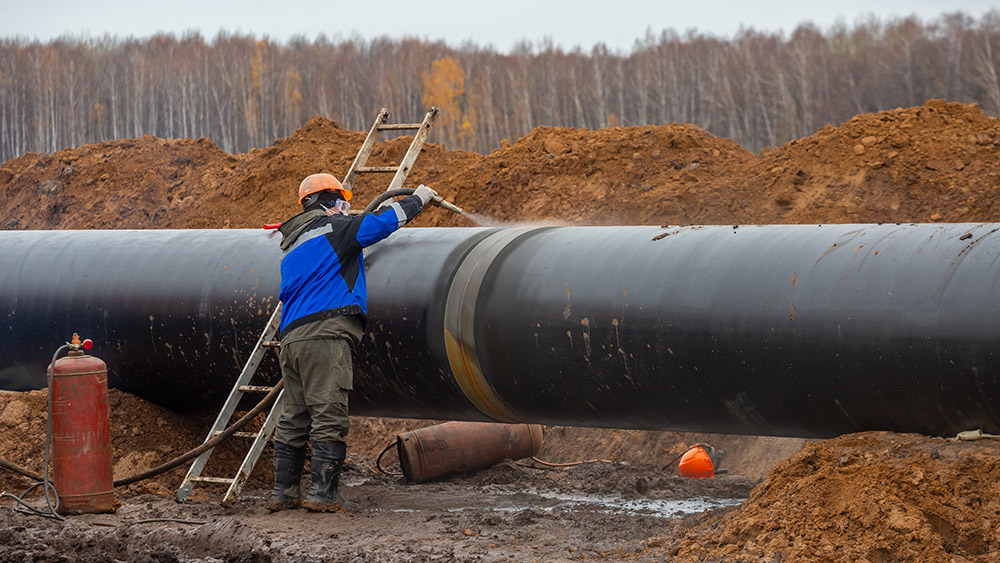
Just as American motorists began bracing for $4 gallon gasoline, the nation’s largest fuel artery suffered a blunt-force blow. On March 31, a third party well drilling crew in Paulding County, Georgia, struck Colonial Pipeline’s Line 1, forcing an emergency shutdown of the system that moves 1.5 million barrels of gasoline daily from Houston to the East Coast. While repairs concluded within 48 hours, the incident raises an uncomfortable question: Are these mechanical mishaps merely industrial accidents, or is the U.S. energy grid experiencing a quiet dress rehearsal for something far more deliberate? At a moment when the Iran war has already spiked crude prices and strained global supply chains, any disruption to Colonial’s spine threatens to tighten fuel supplies further, punishing consumers who are already skeptical of official assurances that everything remains under control.
Key points:
- Colonial Pipeline’s Line 1, the largest gasoline pipeline in the U.S., was damaged by a well drilling crew in Georgia on March 31.
- The pipeline delivers 1.5 million barrels per day from Houston to Greensboro, North Carolina, with distribution reaching New York Harbor.
- Repairs finished April 1, but the outage coincided with U.S. average gasoline prices crossing $4 per gallon on March 30.
- A Valero refinery in Port Arthur, Texas, experienced an explosion last week at a 47,000 barrel per day unit, though operations have since restarted.
- The timing of these two energy infrastructure failures, amid active sabotage of energy assets in Russia, Ukraine and the Middle East, invites scrutiny.
Largest gasoline pipeline is struck
Colonial Pipeline is no ordinary piece of infrastructure. It is the circulatory system for motor fuel across the southeastern and eastern United States. Line 1 specifically carries roughly 1.5 million barrels of gasoline each day from Houston’s refining hub to storage tanks in Greensboro, North Carolina. From there, the fuel is distributed locally or shipped to markets all the way up to the New York Harbor. The damage occurred March 31 in Paulding County, Georgia, approximately 40 miles northwest of Atlanta. Colonial acknowledged the strike in a brief statement obtained by Zero Hedge: “Line 1 is out of service while our team coordinates response and repair efforts.” By April 1, repairs were complete, and the line resumed operations.
But the speed of the fix does not erase the vulnerability. Early last year, the same Line 1 shut for about five days after a leak in Paulding County. That event carried limited market impact because it happened in January, a period of low gasoline demand. Late March and early April are different animals. Spring driving season begins to ramp up, and inventories are leaner. When the Iran war pushed U.S. average gasoline prices above $4 per gallon on March 30, the political and economic sensitivity of any supply interruption became razor sharp.
A pattern of accidents or something else?
One week before the pipeline strike, the Valero refinery in Port Arthur, Texas, experienced an explosion at its 47,000 barrel per day Unit 243 diesel hydrotreater. That facility processes 380,000 barrels of crude daily. The blast forced a temporary shutdown. Valero has since restarted operations, and the company described the event as an industrial accident. Yet when a refinery explodes and a major pipeline is struck by drilling crews within a seven day window, the coincidence strains credibility.
There's a global pattern here, worth mentioning. Energy infrastructure across Russia, Ukraine and the Middle East is being destroyed with regularity. Drones, sabotage teams and alleged accidental strikes have knocked out refineries, pumping stations and storage depots. The United States has not been immune to physical attacks on energy systems. The 2021 Colonial Pipeline ransomware shutdown caused panic buying and regional shortages. That was a cyber event. This is physical damage from a third party drill crew. But the question lingers: Why was a well drilling crew operating directly atop a major fuel artery without precise location data? Why now, when gasoline prices are already a political liability and the Iran war has introduced fresh volatility?
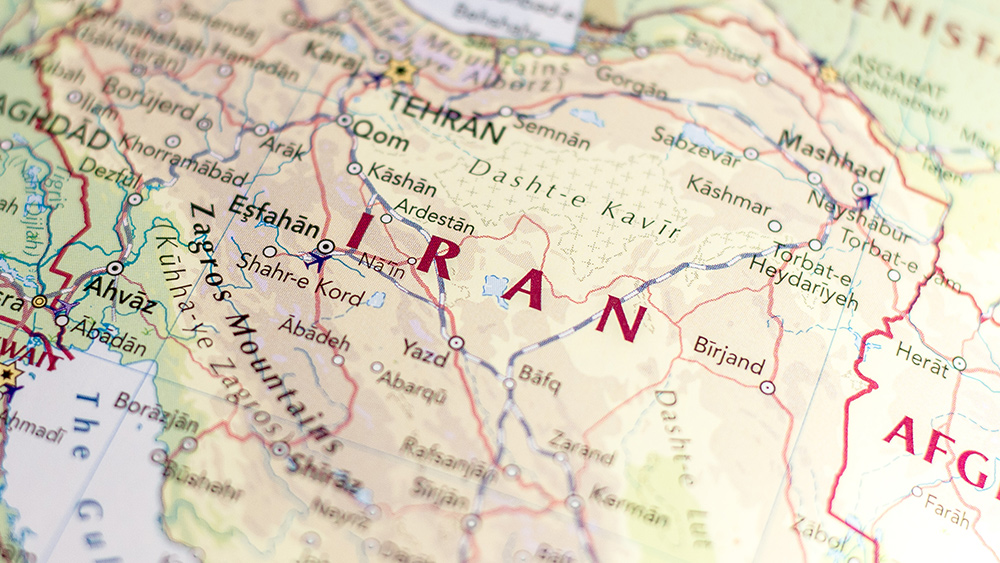
Colonial stated that the remainder of its pipeline system stayed operational. Zero Hedge noted that any prolonged shutdown risked further tightening fuel supplies at the $4 per gallon threshold. For context, the national average had not crossed that mark in more than three years. The Iran war has pushed crude oil prices higher, and Iran’s threats to close the Strait of Hormuz have injected a fear premium into every barrel traded globally.
Greater implications emerge when citizens ask whether the U.S. energy grid is being stress-tested by hostile actors. No evidence of sabotage has been presented publicly. But the pattern of a refinery explosion followed by a pipeline strike, at a moment of geopolitical chaos, demands skepticism.
Sources include:








Please contact us for more information.