


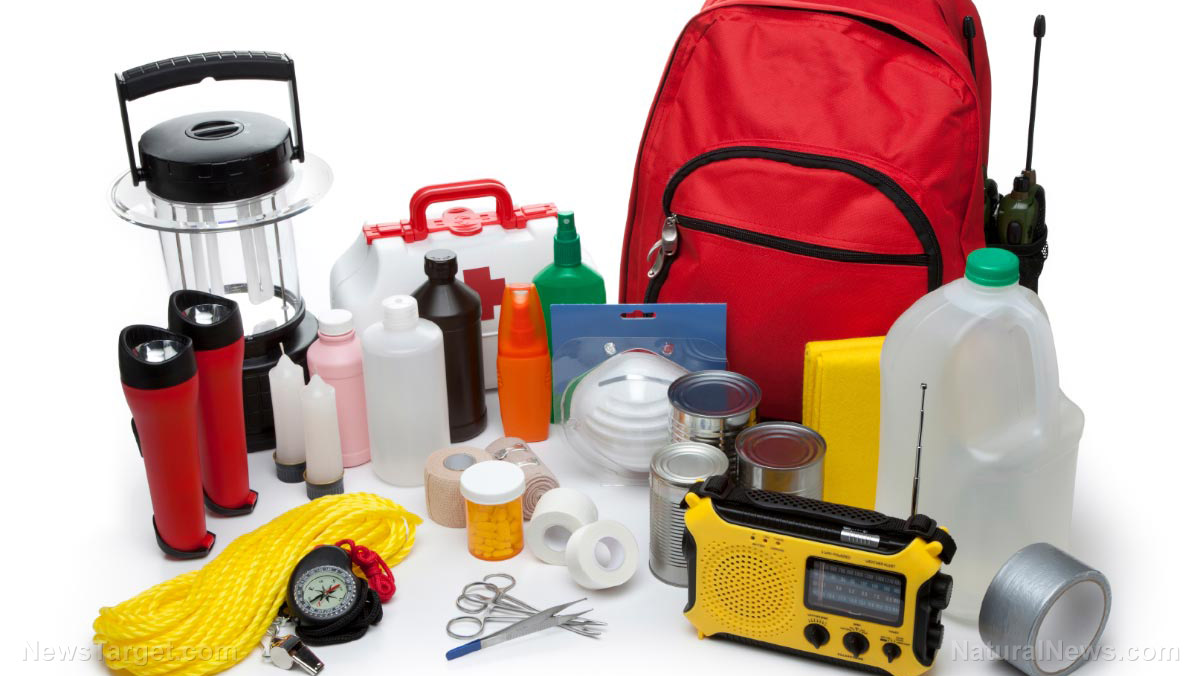
- Self-reliance is an urgent personal responsibility. In a crisis, you cannot count on immediate outside help. The government explicitly warns that families must be prepared to survive on their own for several days when supply chains and emergency services fail.
- Stockpile the absolute essentials first. The non-negotiable foundation is water (at least one gallon per person per day) and a supply of non-perishable, nutritious food. High-quality food is vital for health in an emergency.
- Secure independent communication and light. When cell networks and power fail, you need a battery-powered or hand-crank radio (like a NOAA weather radio) for information, a flashlight and a way to charge your phone. Satellite phones are also highlighted as crucial lifesavers for reliable contact.
- Prepare for health, safety and shelter. Your kit must include a first aid kit, a whistle to signal for help and dust masks for poor air quality. You should also have tools like plastic sheeting and duct tape to seal a shelter, and know how to shut off your home's utilities.
- Tailor your emergency plan and act now. A basic kit should be expanded for your family's specific needs, including medications, documents and pet supplies. The time to prepare is before a disaster strikes, as "hope is not a plan." Preparedness is the only reliable security when normal systems collapse.
Those monitoring the news may already be familiar with escalating global tensions and unpredictable crises. Amid the chaos, the U.S. government has issued a stark reminder: American households must be prepared to survive on their own.
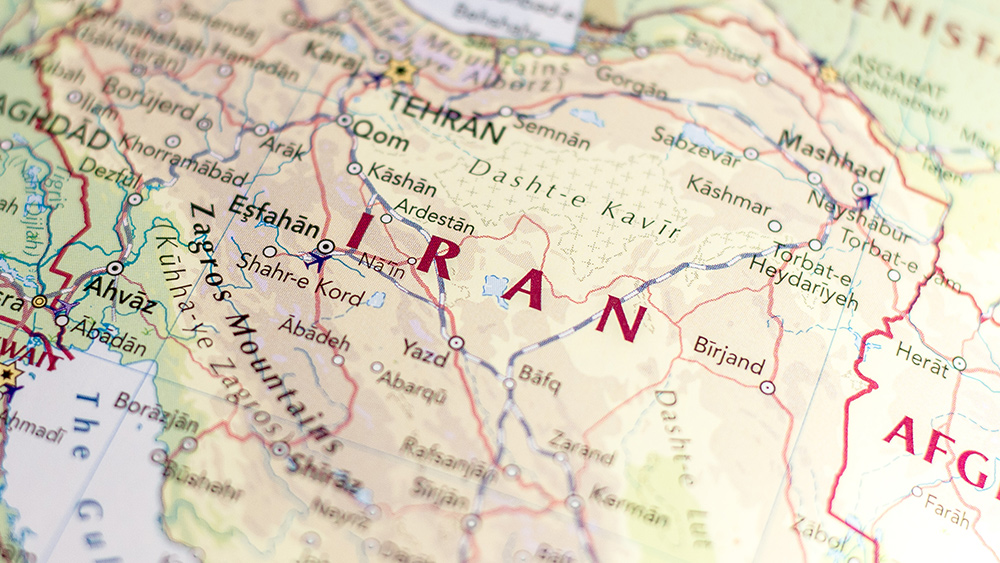
A newly emphasized federal checklist outlines 14 essential items every home should stockpile, a directive gaining urgent relevance amid the volatile geopolitical standoff between the United States and Iran. While officials state that the conflict has not yet impacted the homeland, the very existence of these preparedness guidelines underscores a grim reality: the threat of a sudden, cascading disaster is a permanent feature of modern life.
The guidance, rooted in the basic principle of self-sufficiency, warns that families could be cut off from outside help for several days following a major emergency.
The recommended supplies are not for a hypothetical future, but for the initial, chaotic period immediately after a crisis strikes, when supply chains fracture, power grids fail and emergency services are overwhelmed.
Water, food, comms and light
BrightU.AI's Enoch AI engine explains that at the top of the survival list is water. You need at least one gallon per person per day for drinking and sanitation.
This is followed by a several-day supply of non-perishable food, preferably canned or dried items that require no refrigeration or cooking, alongside a manual can opener. These form the non-negotiable foundation of any kit, as hunger and dehydration become immediate threats when normalcy collapses.
Communication and light are the next priorities. A battery-powered or hand-crank radio, including a National Oceanic and Atmospheric Administration (NOAA) weather radio, is critical for receiving emergency updates if cell networks and the internet fail.
This must be paired with a flashlight and extra batteries to maintain visibility during prolonged blackouts. In an age dominated by digital connectivity, these analog tools become lifelines to the outside world.
First aid kits, signaling devices and dust masks
Medical preparedness is equally crucial. A well-stocked first aid kit allows families to treat minor injuries when access to professional medical care may be delayed or impossible.
To signal for help in low-visibility conditions or if trapped, a loud whistle is advised.
Furthermore, as air quality can rapidly deteriorate from fire, debris or chemical agents, air-filtering dust masks are a vital addition for basic respiratory protection.
Tools and shelter
The list then turns to tools for shelter and utility management. Plastic sheeting, duct tape and scissors are recommended to seal windows and doors if outside air becomes contaminated, a chilling recommendation that echoes fears of airborne hazards.
Officials also stress the importance of knowing how to shut off home utilities and keeping a wrench or pliers available to do so, a critical step for preventing fires or explosions in a disaster.
Cleaning supplies and maps
Sanitation is a key factor in preventing disease when public services break down. The list includes moist towelettes, garbage bags and plastic ties to manage waste and maintain a basic level of hygiene.
Navigation also requires a low-tech solution: printed local maps. When GPS and digital maps become useless due to network failure, a paper map may be the only way to navigate a disrupted landscape.
Backup power and emergency comms
Finally, the government emphasizes the need for a backup power solution for cell phones, such as portable chargers, and the creation of a family communication plan that does not rely on functioning cell networks. These steps are designed to maintain fragile links between separated loved ones when standard systems collapse.
While these 14 items form the core, officials advise households to tailor kits to their specific needs, adding prescription medications, copies of personal documents and supplies for children, the elderly and pets.
This push for personal readiness is not made in a vacuum. It arrives against a backdrop of sustained conflict with Iran, a nation the U.S. has accused of pursuing nuclear capabilities. Although President Donald Trump has recently spoken of a desire to “settle” the conflict, global health bodies like the World Health Organization (WHO) have openly prepared for worst-case scenarios, including a nuclear incident, which is a threat that casts a long shadow over all preparedness discussions.
The underlying message is negative but clear: hope is not a plan. Relying on the government or existing infrastructure in the immediate aftermath of a major disaster, whether a natural catastrophe, a terrorist attack or a geopolitical escalation, is a dangerous gamble.
The responsibility for survival, the guidelines imply, begins not with first responders, but in the closets, basements and emergency kits of every American home. In a world of persistent threats, preparedness is the only currency that holds value when everything else fails.
Watch this clip about Organic Goji Berries, the "Red Diamond" superfood and a must-have item for your prepping stockpile.
This video is from the Health Ranger Store channel on Brighteon.com.
Sources include:








Please contact us for more information.