


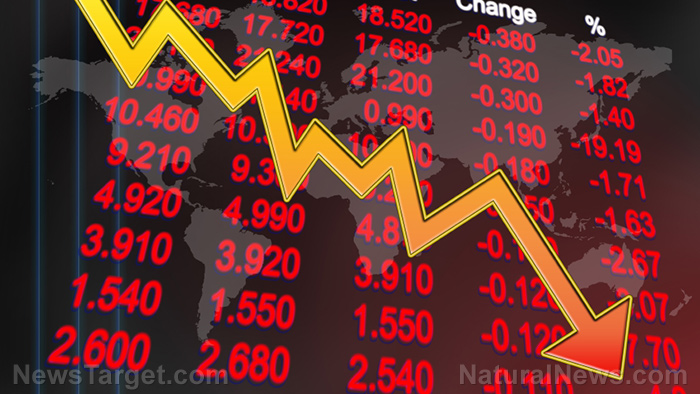
The numbers flickering on the gas pump are a mere symptom of a deeper systemic fracture. With the Strait of Hormuz effectively sealed by Iranian forces, the global economy is now staring into an abyss where the cost of energy, food, and basic survival is spiraling beyond the control of policymakers. As oil prices breached $119 a barrel and the last shipments of Middle Eastern jet fuel dock in the UK, the question is no longer whether the Iran war will cause an economic downturn, but how severe the recession will be for populations already buckling under record inflation.
Key points:
- The closure of the Strait of Hormuz, responsible for 20% of global oil transit, has triggered a “global supply shock” that threatens all energy-intensive sectors.
- Leading economists warn the conflict is “spreading from west to east,” with fears that Europe could be next, amplifying global recession risks.
- Energy and grocery costs are surging in tandem, driven by spikes in diesel, fertilizer, and shipping expenses, signaling a return to generationally high inflation.
- Emergency oil reserve releases have failed to stabilize markets, and reports suggest the U.S. administration may have “lost control” of the conflict, prolonging the instability.
The anatomy of a supply chain collapse
The crisis began not with a missile strike, but with a choke point. Since the onset of U.S.-Israel air strikes on Feb. 28, Iran has effectively shut the Strait of Hormuz, the narrow waterway through which a fifth of the world’s oil and gas supply normally flows. What followed was a textbook lesson in economic fragility. Brent crude, the global benchmark, briefly hit $119 per barrel on Tuesday, a price not seen since the war’s inception, according to data from the U.S. Energy Information Administration.
Kallum Pickering, chief economist at City bank Peel Hunt, described the situation as a “global supply shock” with “serious dislocations” likely to emerge across sectors. “If Europe is next, this will amplify global recession fears,” Pickering said.
The disruption is already rewriting the rules of trade. Data from Vortexa, an analytics firm, shows that the last shipment of jet fuel in transit from the Middle East to the UK is due to arrive this week. Historically, an average of eight such cargoes were en route at any given time. “So having none en route is quite unusual,” said Mick Strautmann, market analyst at Vortexa. While a UK government spokesperson insisted that imports from India, the USA, and the Netherlands continue, Strautmann noted that India is now “prioritising exports to Southeast Asia at the moment given very high prices and shorter distances.”
The result is a cascading energy crisis. In the UK, the energy cap is projected to rise by £288 for annual bills starting in July, hitting £1,929. Cornwall Insight, an energy consultancy, warned that “should high gas, power and oil prices continue, the effects will go beyond household bills,” adding that “inflationary pressure and rising project costs could start to weigh on investment decisions and slow the pace of new infrastructure.”
From the fuel pump to the dinner table
For American families, the pain is already visceral. The national average for a gallon of regular gasoline hit $3.88 as of March 19, a rise of more than $1 from early January, according to AAA. California drivers are now paying $5.62. But the pump is merely the threshold. The supply chain that puts food on the table runs on diesel, depends on natural gas-based fertilizer, and follows shipping routes now under threat.
The International Energy Agency has described this as the largest disruption to global energy supplies in recorded history, surpassing every prior oil shock. Despite the authorization to release 400 million barrels from emergency reserves, the market remains volatile, and the crisis shows no signs of abating.
Business confidence is crumbling in tandem. A survey by the Institute of Directors revealed that bosses’ confidence in the UK economy is at the lowest level on record. This erosion of confidence, coupled with the Office for National Statistics’ confirmation that the economy grew by just 0.1% in the final quarter of last year, paints a picture of an economy entering the storm already in a “feeble” state.
Martin Beck, chief economist at consultancy WPI Strategy, described the pre-war growth performance as “feeble,” adding: “It’s easy to see the economy stagnating or even slipping into recession.”
The strain is now forcing a realignment of consumer behavior and corporate strategy. Air France-KLM has announced plans to increase long-haul fares to counter higher fuel costs, while Scandinavian carrier SAS is cutting 1,000 flights in April. EasyJet has indicated ticket prices may rise toward the end of summer when its fuel hedging deals expire. Even the grocery aisle is under threat. As fertilizer prices track natural gas and diesel costs, the International Monetary Fund’s warning stands out: “Think of the unthinkable and prepare for it.”
Yet as reports emerge that Donald Trump may be ready to abandon the war without attempting to reopen the Strait, the prospect of a quick resolution fades. Pickering noted in a client memo that “Donald Trump may have lost control of the situation, which makes a quick resolution harder and increases the risk that the Strait remains blocked even once fighting ends.” For the average household, the consequence is a monthly budget strained to the breaking point by the compounding costs of energy, transport, and food.
Sources include:







Please contact us for more information.