


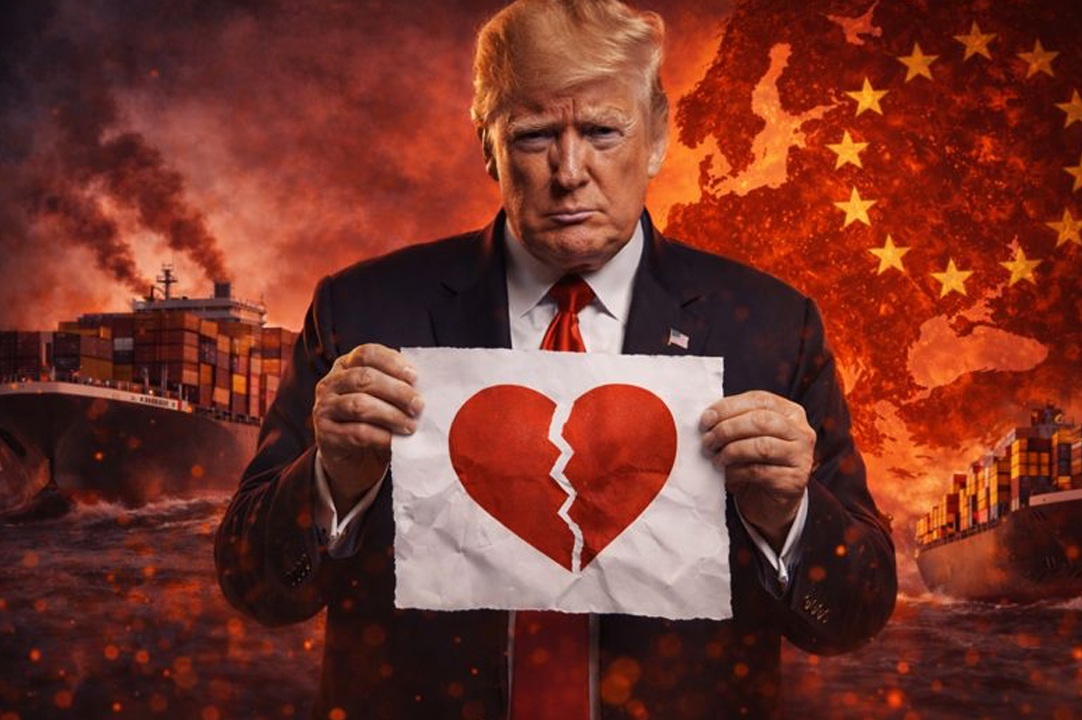
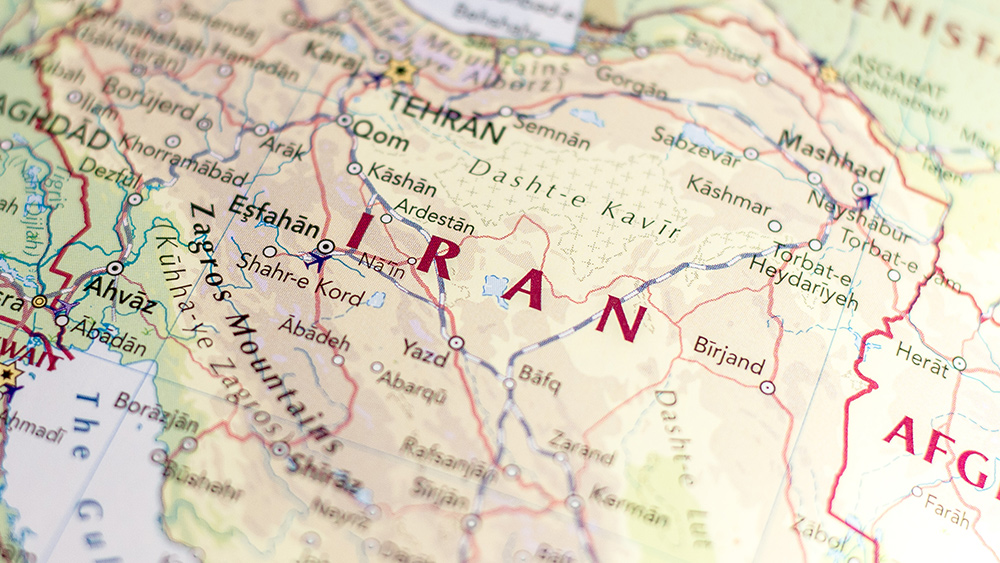
The United States and Israel launched a regime change war against Iran more than a month ago, promising swift victory and the restoration of order to the Persian Gulf. Instead, the Strait of Hormuz remains effectively blockaded by Tehran, global energy prices are surging, and the Trump administration is now demanding that European allies deploy their own navies to secure a waterway the Pentagon admits is no longer an American military objective.
The administration’s shifting narrative reveals a stark reality: after boasting of decimating Iranian military capabilities, Washington appears unable or unwilling to finish the mission it started. President Donald Trump’s response has been to lash out at NATO partners, calling them “COWARDS” on Truth Social and telling European nations to “go get your own oil” now that the “hard part is done.” But with the Strait of Hormuz still under Iranian control, fuel prices crossing $4+ a gallon in the United States, and allies refusing to step into a conflict they say they never agreed to, the administration finds itself passing the buck on a crisis of its own making.
Key points:
- The Trump administration claims Iran has been “decimated” yet cannot secure the Strait of Hormuz, a key global shipping choke-point.
- U.S. officials have explicitly stated that reopening the strait is not an American war objective.
- European allies, led by Germany and the EU, have refused to send military assets, with leaders stating, “This is not Europe’s war.”
- Trump has threatened to withdraw U.S. support from Ukraine and NATO while demanding allies clean up the Persian Gulf crisis.
- Global oil prices continue to climb, with Goldman Sachs warning the U.S. is not insulated from economic blowback.
A war without clear objectives
When U.S. Secretary of State Marco Rubio sat for an interview with Al Jazeera on Monday, he offered a candid admission that undercuts the administration’s narrative of progress. Securing free transit through the Strait of Hormuz, through which roughly 20 percent of the world’s oil supply typically travels, is not part of Washington’s war objectives, Rubio said. Instead, the United States is focused on degrading Iranian military capabilities, an effort Rubio claimed is “well on our way or ahead of schedule.”
The contradiction is glaring. If Iran has been “decimated,” as Trump declared this week, why does Tehran continue to control the strategic waterway? And if the U.S. military has succeeded in its objectives, why is the president now demanding that European allies send their own forces into a conflict zone to finish what Washington started?
Rubio attempted to wave away the inconsistency by insisting that “very little of American energy comes through the Straits of Hormuz” and that Washington’s opposition to Iranian control is “principled rather than pragmatic.” But Goldman Sachs pushed back on that assumption this week, with strategist Kinger Lau writing that the Chinese economy “appears better positioned amid oil supply shock than its global peers.” The notion that the United States can simply drill its way out of global supply chain disruptions ignores the interconnected nature of energy markets, where price spikes in one region ripple across the globe.
Allies refuse to clean up Washington’s mess
European leaders have responded to Trump’s demands with a mixture of bewilderment and defiance. German Defense Minister Boris Pistorius delivered perhaps the bluntest assessment when asked about contributing to strait security efforts: “It is not our war; we did not start it.” The sentiment has been echoed across the continent, with EU top diplomat Kaja Kallas stating earlier in March, “This is not Europe’s war,” and German President Frank-Walter Steinmeier declaring Tuesday that the conflict “violates international law” and that “the justification of an imminent attack on the U.S. does not hold water.”
Behind closed doors, European officials express even sharper frustration. Four European government officials told POLITICO that Trump’s messaging on what he wants from allies is so confusing that any effort to help remains deadlocked. Washington has not made any formal requests for equipment, the officials said, while allies are reluctant to send military assets to the region over fears they would be attacked by Iran. One NATO diplomat put it succinctly: allies “do not agree with being called into a war that we haven’t started, with no idea [of what the U.S.] is going to do.”
Trump has responded by questioning the future of the NATO alliance itself. In a Truth Social post Tuesday, he derided European partners including the United Kingdom and France, writing: “You’ll have to start learning how to fight for yourself, the U.S.A. won’t be there to help you anymore, just like you weren’t there for us.” The president also accused France of refusing to allow Israel-bound military planes to fly over French territory, warning Paris that the U.S. “will REMEMBER!!!”
French officials were caught off guard. An official from President Emmanuel Macron’s office, granted anonymity because they are not authorized to speak publicly, said they were “surprised” by Trump’s post.
The cost of confusion
The administration’s conflicting messages extend beyond public sparring with allies. While Trump has demanded European nations take the lead on reopening the strait, he has also told CBS News that the White House does not plan to immediately withdraw its resources from the region. “At some point I will, not quite yet, but countries have to come in and take care of it,” he said, adding that “Iran has been decimated, but they’re going to have to come in and do their own work.”
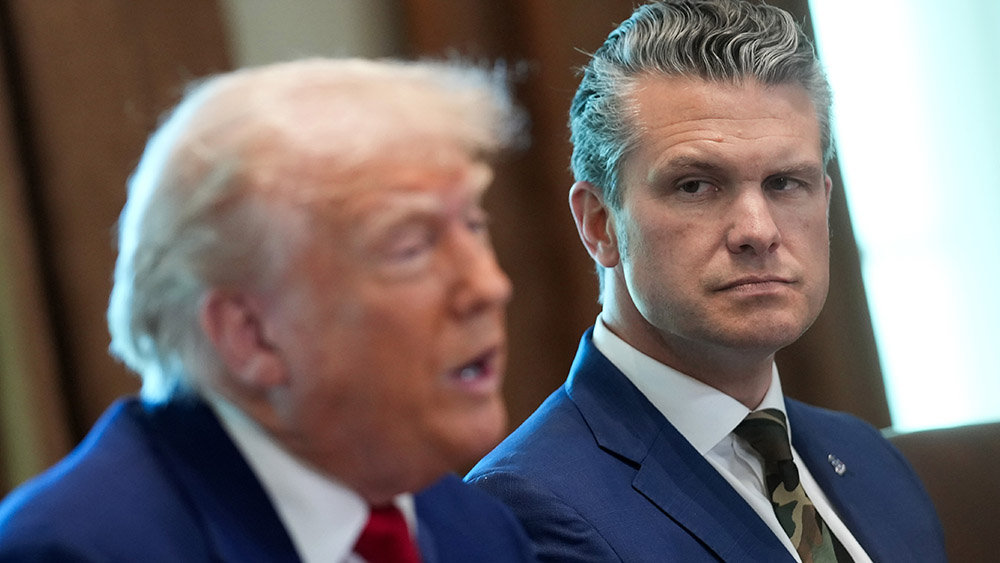
Defense Secretary Pete Hegseth echoed the president’s sentiments in a Tuesday press briefing, his first in nearly two weeks. Trump, Hegseth said, has been “willing to do the heavy lifting on behalf of the free world to address this threat of Iran.” But he also suggested European navies should step up: “Last time I checked, there was supposed to be a big, bad Royal Navy that could be prepared to do things like that as well.”
The slow-moving talks reflect what one senior European government official called an “absurdly incoherent” approach from Washington. The United States has repeatedly pressed European allies to take care of their own continent, particularly Russia’s war on Ukraine, so that Washington could focus elsewhere. Now, Trump is asking them to deploy to the Middle East while simultaneously threatening to pull back support for Ukraine and questioning the future of the transatlantic alliance.
Sources include:






Please contact us for more information.