
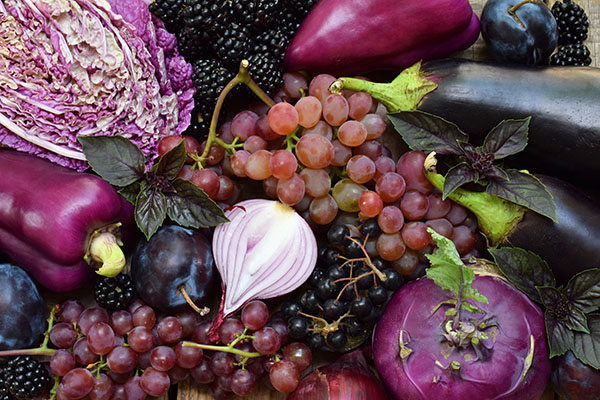
- Many common foods like berries, nuts, and dark chocolate contain antioxidant levels that rival or exceed those of green tea.
- Antioxidants, including polyphenols and vitamins, protect cells from damage, reduce inflammation, and lower the risk of chronic diseases.
- The antioxidant content in food varies based on type, preparation, and cooking methods, with some nutrients becoming more available when cooked.
- A diverse diet of whole, minimally processed plant foods is the most effective strategy for increasing antioxidant intake.
- While antioxidant supplements are not broadly recommended, obtaining these compounds through food is linked to significant long-term health benefits.
From Ancient Remedies to Modern Plates
For centuries, cultures worldwide have prized certain foods and spices not just for sustenance but for their perceived healing properties. Today, nutritional science is validating that ancient wisdom, identifying a common thread: antioxidants. While green tea is often hailed as an antioxidant powerhouse, a wealth of research reveals that many common foods—from vibrant berries to dark chocolate—contain these protective compounds at levels that meet or surpass it. For health-conscious individuals, this news expands the menu for combating cellular damage linked to aging, heart disease, and cancer, moving the focus from a single super-beverage to a diverse, colorful diet.
The Cellular Shield: Why Antioxidants Matter
Antioxidants are molecules that neutralize free radicals—unstable atoms generated by normal metabolism, stress, and environmental exposures. Over time, unchecked free radical damage, or oxidative stress, contributes to cellular aging and the development of chronic diseases. The body produces some antioxidants naturally, but dietary intake is crucial. These compounds include familiar vitamins like C and E, minerals like selenium, and a vast array of plant-based polyphenols. A 2023 study underscored their importance, linking high dietary polyphenol intake to a significantly lower risk of death from any cause and from cardiovascular disease specifically.
Beyond the Tea Leaf: Top Antioxidant Contenders
Moving beyond the tea cup, numerous readily available foods offer impressive antioxidant capacity. Berries, for instance, are celebrated for anthocyanins, the pigments that give them deep hues. Aronia berries, blackberries, and blueberries rank among the highest, but even common strawberries and raspberries provide substantial benefits. In the vegetable aisle, kale and artichokes stand out, with kale providing vitamins A, C, and K alongside its polyphenols. Perhaps most surprisingly, dark chocolate with high cocoa content and even brewed coffee are major dietary sources, with coffee being a primary contributor of antioxidants in many adults' diets.
The Spice of Life and Power of Plants
Herbs and spices represent the most concentrated sources. Ground clove consistently tops the list, with cinnamon, oregano, and rosemary also ranking highly. Incorporating these into meals is a potent strategy. Similarly, nuts and seeds deliver a double benefit of healthy fats and antioxidants. Walnuts and pecans are leaders among nuts, while sunflower seeds lead the seed category. The method of preparation can influence potency; for example, germinating chia seeds can dramatically increase their antioxidant activity.
Maximizing Intake: Strategy Over Supplement
Experts emphasize that obtaining antioxidants from whole foods is superior to supplementation, as the complex matrix of nutrients in food works synergistically. The key is variety and minimal processing. Cooking can alter antioxidant levels—sometimes enhancing them, as with lycopene in tomatoes, and sometimes reducing them, as with berries in jam. Pairing certain fats with cooked orange and yellow vegetables can improve the absorption of fat-soluble antioxidants like beta-carotene.
A Colorful Conclusion for Lifelong Health
The historical quest for nourishing, healing foods finds its modern expression in the understanding of antioxidants. This research democratizes nutritional defense, showing that powerful tools for health are not exotic or singular but abundant in a varied diet. The most effective approach is to consume a spectrum of colorful, whole plant foods—deep green kale, ruby red berries, purple cabbage, and dark brown nuts and chocolate—complemented by spices, coffee, and tea. This dietary pattern, sustained over a lifetime, builds a resilient internal defense system, offering a practical and delicious strategy to support long-term wellness and vitality.
Sources for this article include:













Please contact us for more information.