



- The Department of Homeland Security is partially lifting a months-long freeze on asylum application processing.
- The freeze was implemented after a deadly November 2025 attack on National Guard members by an Afghan parolee.
- Processing will resume for applicants from countries not on an expanded U.S. travel ban list.
- Enhanced screening and vetting procedures for all immigrants will remain in full effect.
- The policy shift aims to refocus resources on higher-risk cases from designated nations.
In a significant recalibration of border and immigration policy, the Department of Homeland Security has begun scaling back a sweeping suspension of asylum processing that was enacted as an emergency national security measure months ago. The shift, confirmed by officials this week, follows a deadly attack on National Guard personnel in Washington, D.C., which prompted an unprecedented crackdown. While the administration is lifting the adjudication hold for many cases, it emphasizes that rigorous screening protocols for all immigrants remain firmly in place, signaling a continued focus on security within a modified procedural framework.
The trigger: A national guard attack and policy freeze
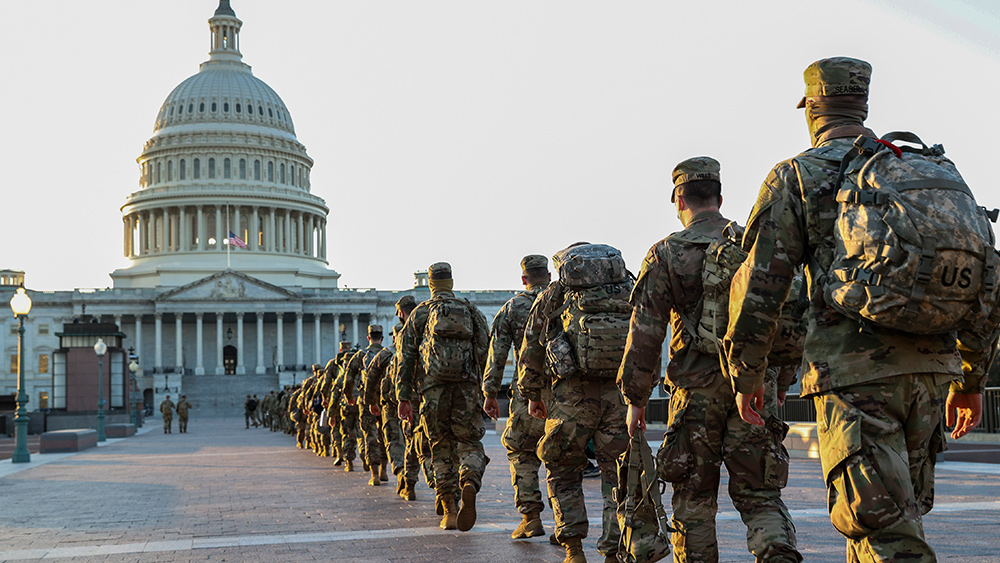
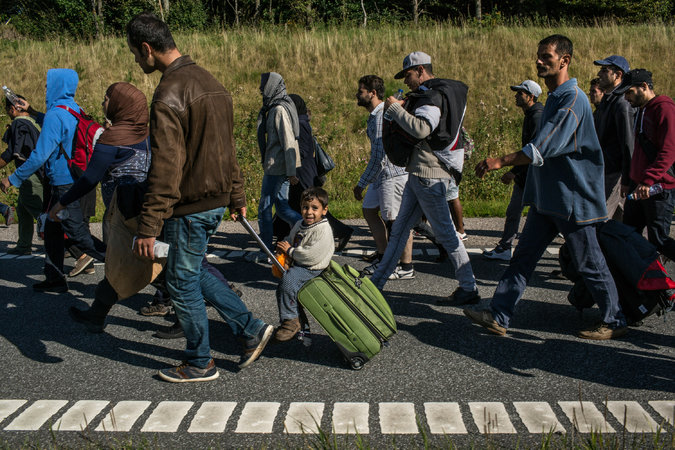
The policy adjustment finds its origins in a traumatic event just before Thanksgiving of last year. Rahmanullah Lakanwal, an Afghan national who entered the United States in 2021 under a humanitarian parole program, allegedly opened fire on two National Guard members. The attack resulted in the death of West Virginia Army National Guard Specialist Sarah Beckstrom and critical injuries to Air Force Staff Sgt. Andrew Wolfe. In direct response, the Trump administration moved swiftly to implement what officials described as necessary safeguards. Federal immigration authorities imposed a near-total pause on asylum applications and halted other immigration processes for individuals from 19 countries initially deemed high-risk. This freeze effectively brought hundreds of thousands of cases to a standstill, creating a massive backlog and drawing sharp criticism from immigrant advocates who argued it penalized those following legal pathways.
Maintaining the guard: Unchanged vetting standards
A central pillar of the administration’s announcement is the unequivocal statement that security standards are not being relaxed. A U.S. Citizenship and Immigration Services (USCIS) spokesperson stressed that “maximum screening and vetting for all aliens continues unabated.” This commitment is backed by structural changes made during the freeze period, most notably the launch of a dedicated vetting center in Atlanta designed to enhance the government’s ability to identify terrorists, criminal aliens and other threats before admission. The administration has consistently framed its posture as a corrective to what it views as lax vetting procedures under prior leadership, arguing that extreme vigilance is required to protect American citizens and national interests from individuals who may seek to exploit humanitarian programs.
The new framework: A risk-based resumption
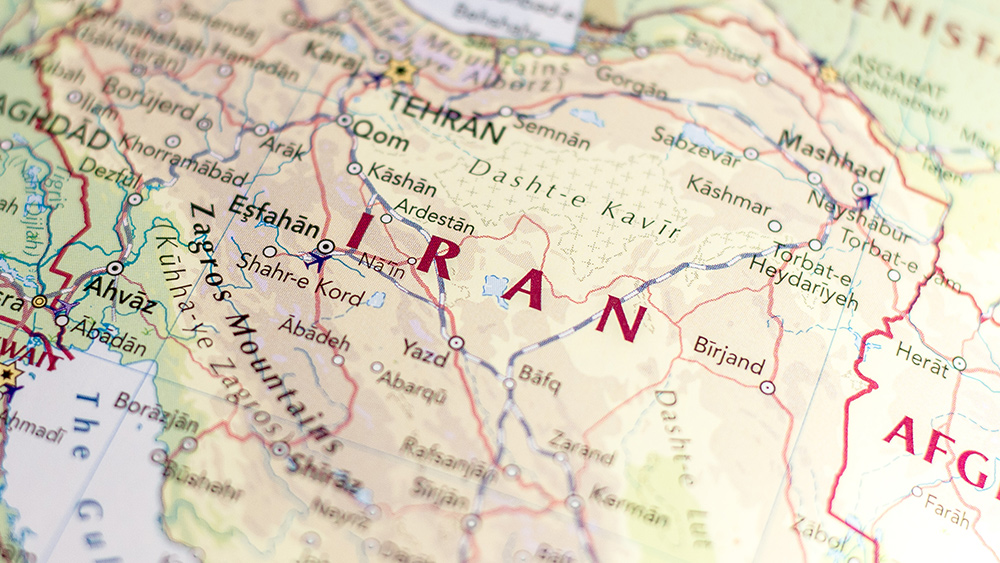
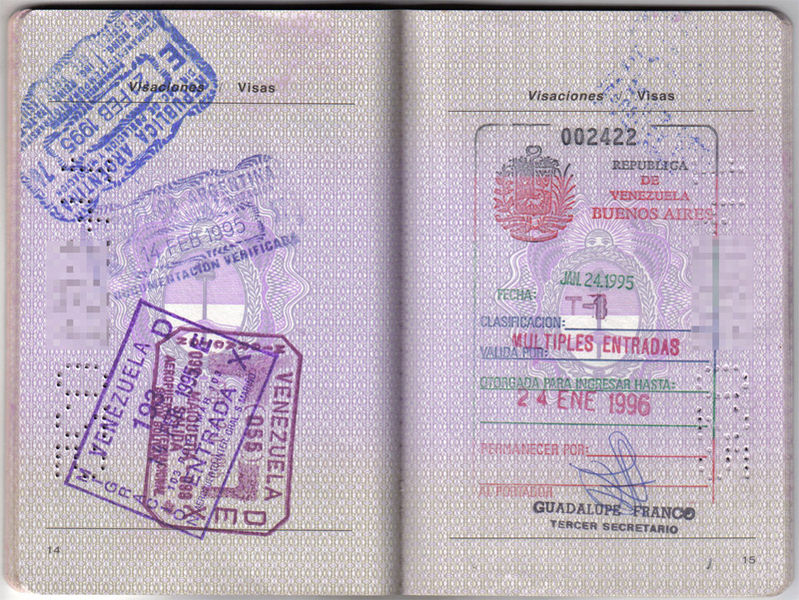
The updated policy introduces a more nuanced, risk-based approach. The blanket adjudication hold is being lifted for asylum seekers from countries not subject to existing U.S. entry restrictions. However, the freeze remains fully in effect for nationals from 39 countries listed under an expanded presidential proclamation on enhanced travel restrictions. This list includes nations across Africa, Asia and Latin America such as Afghanistan, Iran, Somalia, Nigeria, Cuba, Haiti and Venezuela. For individuals from these countries, not only asylum cases but all applications for benefits—including for work permits, lawful permanent residency (green cards) and naturalization—remain suspended. Officials state the recalibration allows immigration agencies to refocus finite resources on cases deemed higher risk due to nationality or other security indicators.
Security vs. sanctuary in asylum law
The tension between humanitarian protection and national security is a recurring theme in American immigration history. The modern U.S. asylum system was largely shaped by the Refugee Act of 1980, enacted in the wake of the Vietnam War to provide a consistent legal pathway for those fleeing persecution. Subsequent decades saw cycles of reform and restriction, often catalyzed by specific events. The 1993 World Trade Center bombing led to tighter asylum procedures and expedited removal. The terrorist attacks of September 11, 2001, triggered the most profound reorganization of the immigration system in half a century with the creation of DHS itself, embedding security considerations into every facet of immigration policy. The current policy shift continues this pattern, where a specific security incident prompts a systemic reevaluation of how the nation balances its ideals of refuge with the imperative of safety.
Balancing act: The path forward for U.S. immigration policy
The Department of Homeland Security’s partial lifting of the asylum freeze represents a strategic pivot, not a retreat. By maintaining intense vetting while resuming processing for a segment of applicants, the administration seeks to address a mounting case backlog without conceding its core security-first philosophy. The move acknowledges the operational reality that a total, indefinite halt may be unsustainable, but it reinforces a clear hierarchy of priorities where screening protocols are paramount. The aftermath of the 2025 attack has cemented a policy environment where national security concerns directly dictate the tempo and accessibility of legal immigration pathways, ensuring that the legacy of that tragic event will continue to shape the American asylum system for the foreseeable future.
Sources for this article include:







Please contact us for more information.