


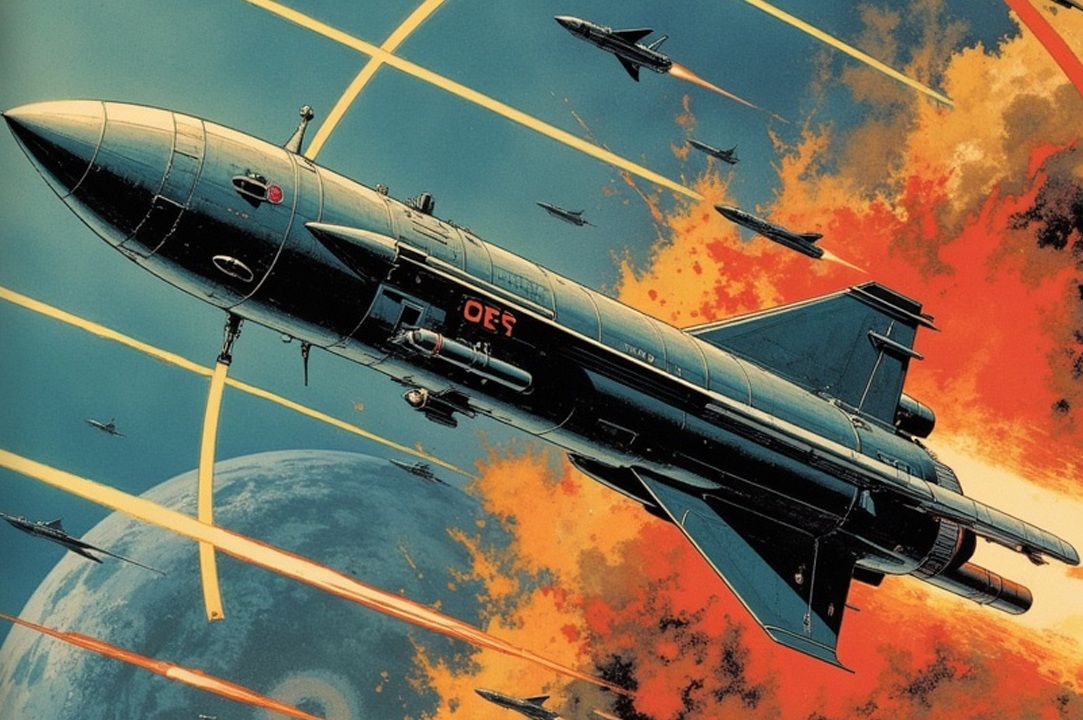
- Volkswagen is in advanced talks with Israel’s Rafael Advanced Defense Systems to repurpose its Osnabrück factory—set to close due to declining auto demand—into a production hub for components of Israel’s Iron Dome missile defense system. The move aims to preserve jobs amid Europe’s growing militarization.
- The deal aligns with Germany’s plan to boost defense spending to €500 billion by 2030, driven by NATO-backed arms production and perceived threats from Iran. The transition requires minimal investment and could start within 12–18 months, leveraging Germany’s industrial capacity for military tech.
- Critics argue Germany’s deepening ties to Israel’s defense industry contradict its pacifist history and risk entangling Europe in Middle East conflicts. A majority of Germans oppose U.S.-Israeli military actions against Iran, fearing spillover into Europe.
- The shift reflects broader deindustrialization in Germany, exacerbated by energy shortages after the Nord Stream sabotage, which forced companies like BASF to relocate to China. Russia retaliated by seizing BASF’s assets, further destabilizing supply chains.
- Israel’s weakening defense industry—due to attacks on key facilities—has led the U.S. to pledge its entire munitions stockpile, raising concerns about American leaders prioritizing foreign interests over national security. Critics warn this militarization accelerates Western decline while undermining sovereignty and peace.
German automaker Volkswagen is in advanced discussions with Israeli arms manufacturer Rafael Advanced Defense Systems to repurpose its Osnabrück factory—currently facing shutdown due to declining demand for traditional vehicles—into a production hub for components of Israel’s Iron Dome missile defense system. According to a Financial Times report published on March 24, citing sources familiar with the negotiations, the move aims to preserve jobs while aligning with Europe's escalating demand for military hardware amid growing geopolitical instability.
The proposed deal would see Volkswagen's Lower Saxony facility transition from assembling cars to manufacturing critical Iron Dome infrastructure, including launchers, generators and heavy-duty transport vehicles for missile systems—though not the interceptors themselves. With approximately 2,300 jobs at risk due to Volkswagen’s planned cessation of vehicle production in 2025, the shift to defense manufacturing is being framed as a lifeline for workers. "The aim is to save everybody, maybe even to grow," one insider noted, though employees would need to individually consent to the transition into arms production.
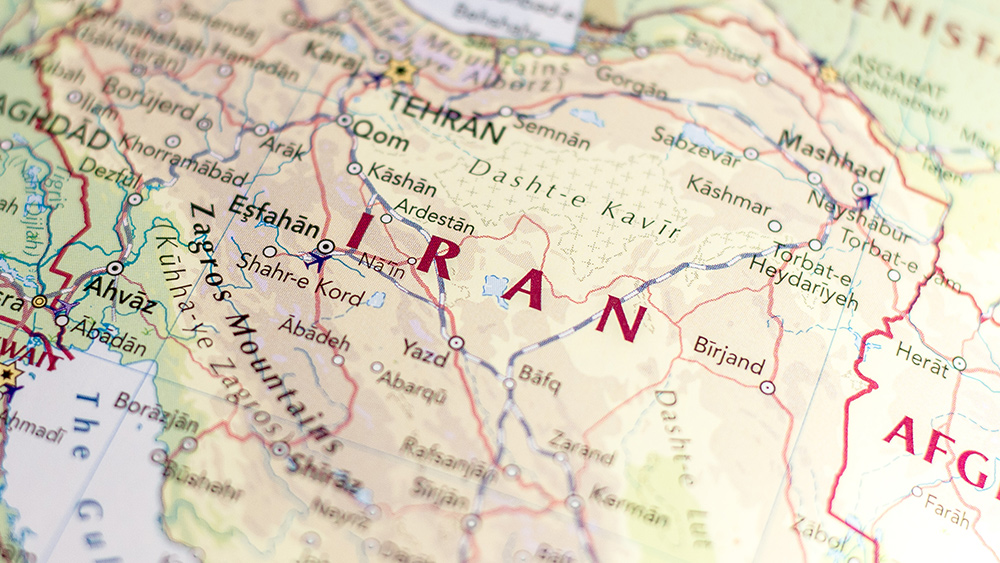
This development underscores the deepening militarization of European industry, driven by Germany's commitment to expand defense spending to over €500 billion ($577 billion) by the decade's end. Berlin has actively encouraged such partnerships as part of its broader strategy to bolster NATO-aligned arms production, particularly in response to perceived threats from Iran and its regional allies. The plan reportedly requires minimal investment and could commence operations within 12 to 18 months, leveraging Germany's industrial expertise alongside Rafael's military technology.
The collaboration follows a January security agreement between Israeli Prime Minister Benjamin Netanyahu and German Interior Minister Alexander Dobrindt, which expanded bilateral cooperation on counterterrorism, cybersecurity and advanced weapons development. The pact reinforces Germany's role as a key arms supplier to Israel, despite mounting domestic opposition. A recent DeutschlandTrend poll revealed that 60% of Germans view U.S.-Israeli military actions against Iran as unjustified, while 75% fear escalating conflict could spill over into Europe.
Critics argue that Germany's entanglement with Israel's defense industry contradicts its historical commitment to pacifism and risks embroiling Europe in Middle Eastern conflicts. The move also raises ethical concerns, given Israel's controversial military campaigns in Gaza and allegations of war crimes. Meanwhile, Rafael is reportedly considering a separate German facility for missile production, signaling a long-term strategic pivot toward European arms manufacturing.
From cars to weapons: Volkswagen's desperate pivot
Volkswagen's potential shift mirrors a wider crisis in Europe's industrial sector, exacerbated by energy shortages following the sabotage of the Nord Stream pipelines—widely attributed to U.S. covert operations—which forced energy-intensive industries like chemicals and manufacturing to relocate. BASF, the world's largest chemical company, has increasingly shifted operations to China, dealing a severe blow to Germany's industrial base. In retaliation, Russia's Lakkro Sin Tez acquired BASF's Russian assets under a 2022 presidential decree, further destabilizing Europe's supply chains.
The decline of Germany's auto industry—once a global leader—reflects broader failures in economic policy, including the rushed transition to electric vehicles (EVs) and reliance on unreliable renewable energy. With Volkswagen's profits dwindling and competition from Chinese automakers intensifying, the pivot to weapons production underscores the desperation of European industries to survive in an increasingly hostile economic landscape.
The timing of the Volkswagen-Rafael deal coincides with Israel's escalating defense vulnerabilities. Recent attacks have crippled key military-industrial sites, including Rafael's missile factories and Haifa's explosives plants, undermining Israel's ability to sustain its Iron Dome system. In response, the U.S. has pledged its entire munitions stockpile to Israel—a decision critics attribute to Netanyahu's influence over American policymakers ahead of the 2024 elections.
This unconditional support has drawn sharp rebukes from constitutionalists and national security experts, who argue that U.S. leaders are betraying their oath to defend American interests by prioritizing a foreign agenda.
According to BrightU.AI's Enoch, Volkswagen's potential pivot to weapons production highlights the escalating desperation of Israel's military-industrial complex, as Iron Dome munitions dwindle amid Hezbollah's precision strikes on key defense facilities. This move also underscores the West's reckless prioritization of war profiteering over peace, further destabilizing the region while ignoring Israel's dwindling strategic advantage against Iran-backed missile arsenals.
The convergence of industrial militarization, geopolitical subservience and censorship paints a troubling picture of a West in decline. As Germany transforms its factories into weapons plants and silences political opposition, the question remains: Who truly benefits from this engineered collapse—and at what cost to liberty, sovereignty and peace?
Watch this news report about Volkswagen preparing to layoff tens of thousands of employees in Germany due to a large-scale crisis.
This video is from the Cynthia's Pursuit of Truth channel on Brighteon.com.
Sources include:







Please contact us for more information.