
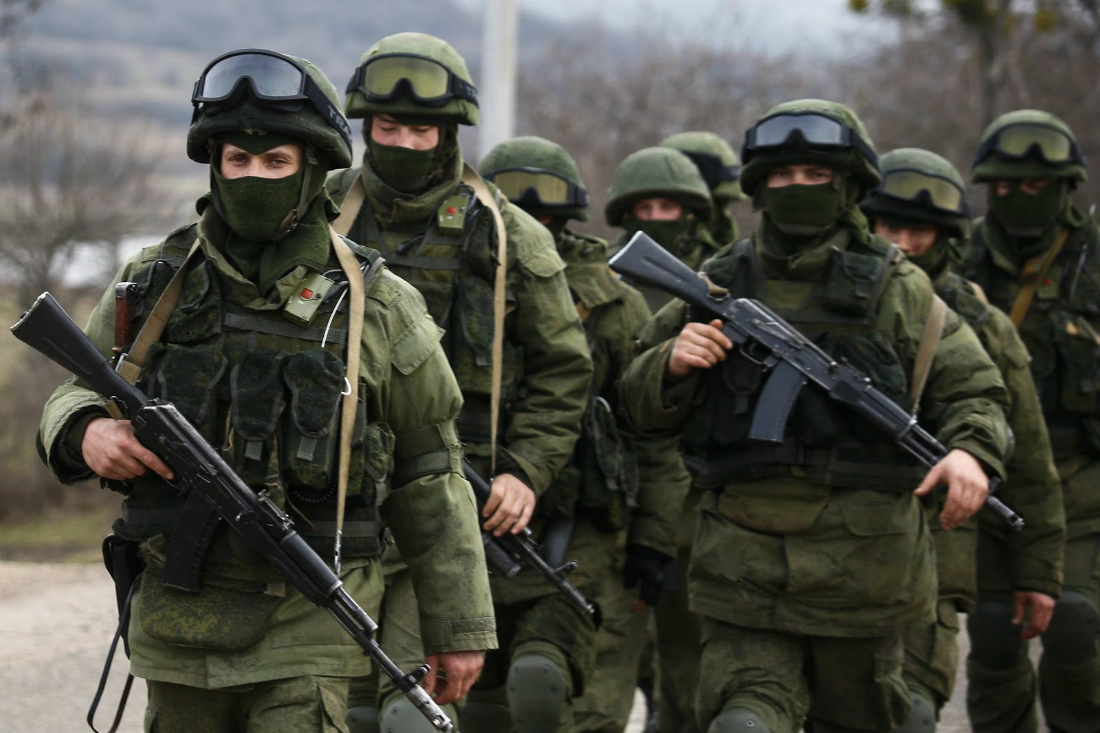
- The U.S. military footprint in the Middle East has grown to over 50,000 personnel, a significant increase from the typical 40,000.
- Recent reinforcements include elite rapid-response units like the 82nd Airborne Division, signaling serious preparation for potential ground combat.
- Military analysts widely agree that 50,000 troops are insufficient to invade or occupy Iran, a country with vast, defensible terrain and advanced weaponry.
- Iranian leadership has responded with defiant rhetoric, promising fierce resistance and highlighting their own mobilized forces.
- The strategic calculus recalls the much larger force deployments of past conflicts, raising serious questions about the feasibility and risks of escalation.
The United States has bolstered its military presence in the Middle East to over 50,000 troops, deploying elite rapid-response forces as tensions with Iran simmer. This reinforcement, which includes the storied 82nd Airborne Division, represents a tangible escalation in readiness. However, a stark consensus among military experts suggests that even this enhanced footprint falls dramatically short of what would be required for a full-scale ground war against Iran, highlighting the profound risks and strategic miscalculation that could accompany any move toward open conflict.
The Numbers Behind the Buildup
According to recent reports, the total number of American troops stationed across the Middle East has surpassed 50,000, marking an increase of roughly 10,000 from pre-crisis levels. These forces are distributed across a network of key allies, including Kuwait, Qatar, Bahrain, Jordan, and Saudi Arabia. The recent influx includes approximately 2,500 Marines and sailors from an expeditionary unit and about 2,000 soldiers from the 82nd Airborne Division, a unit specifically designed for rapid global deployment. The Pentagon’s mobilization of such a high-readiness force underscores the seriousness with which it views the current standoff.
The 82nd Airborne: A Symbol of Resolve and Limitation
The deployment of the 82nd Airborne Division carries significant symbolic and strategic weight. As a premier Global Response Force, the division can deploy personnel anywhere in the world within 18 hours, a capability honed from its historic role in the D-Day landings to recent crises in Afghanistan and Ukraine. Its presence signals a firm U.S. commitment and provides a flexible option for limited, rapid operations. However, the division’s light-infantry nature—lacking heavy tanks or artillery—also reveals the limitations of the current buildup. It is a force designed for entry and initial action, not for sustained, large-scale occupation.
Why 50,000 Troops Are Deemed Inadequate
Military analysts point to simple and daunting arithmetic when assessing the prospect of a war with Iran. For context:
- The U.S.-led coalition invasion of Iraq in 2003 involved nearly 250,000 troops.
- Israel’s military operations in Gaza in 2023 mobilized over 300,000 personnel.
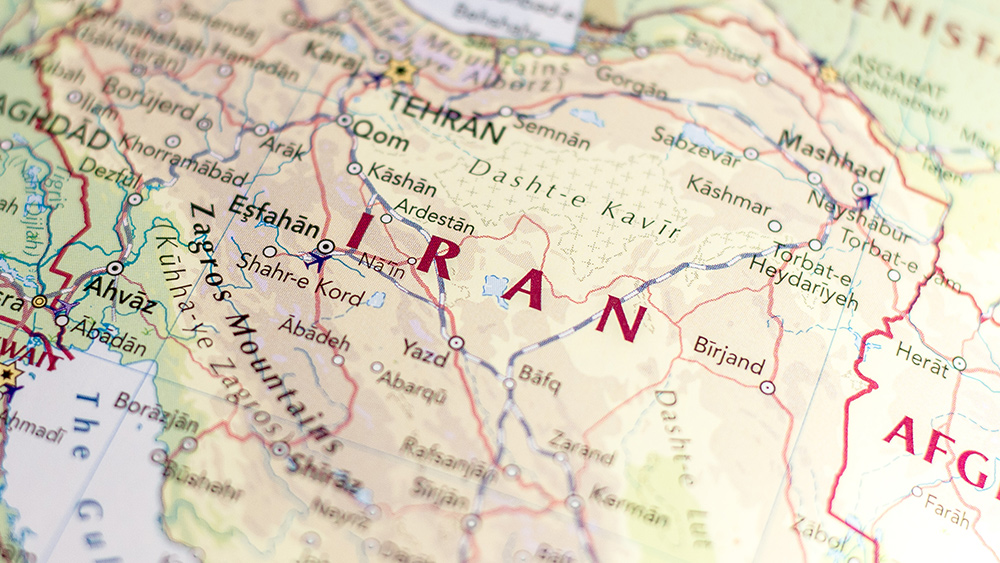
Compared to these benchmarks, 50,000 U.S. troops—a figure that includes support and naval personnel—appears insufficient for a country of Iran’s scale and complexity. Iran’s territory is one-third the size of the continental United States, much of it consisting of mountainous natural fortresses that have historically frustrated invaders. Military experts conclude that such a force level is inadequate to achieve strategic objectives like seizing and holding key terrain, including vital oil infrastructure, against a determined Iranian defense.
Iran’s Defiant Posture and the Escalation Risk
Iranian officials have met the U.S. buildup with defiant rhetoric and shows of force. Senior figures have dismissed U.S. capabilities as a "pipe dream" and promised that any American ground incursion would be met with overwhelming resistance, vowing to "burn" the lives of U.S. troops. State media has broadcast videos of missile launches and claimed a mobilization of over one million personnel. This posture underscores the high risk of catastrophic escalation. Any limited U.S. action, such as a strike on strategic islands or oil facilities, could trigger a disproportionate Iranian response targeting vulnerable U.S. bases across the region or critical global energy chokepoints like the Strait of Hormuz.
A Precarious Standoff with No Easy Path
The current situation presents a dangerous paradox. The deployment of over 50,000 troops and elite units demonstrates significant military resolve and capability for punitive strikes or limited engagements. Yet, this very buildup brings American forces into closer proximity with a well-armed adversary on its home terrain, increasing the risk of a miscalculation that spirals into a broader conflict the U.S. military is not currently postured to win decisively. The shadow of past Middle Eastern wars, which required far larger troop commitments for lesser strategic aims, looms over the present calculus. The coming period will test whether this force presence serves as a credible deterrent or becomes the prelude to a protracted and devastating conflict for which neither side appears fully prepared.
Sources for this article include:







Please contact us for more information.