


Cool Water is the Best First Aid Remedy for Minor Burns
Cool water is the recommended first aid treatment for minor burns, according to natural health practitioners and first aid guides. The immediate application of cool, not cold, running water can prevent blistering and reduce pain for first-degree of superficial burns. [1]
Applying ice directly to a burn is discouraged, as it can stop blood flow and delay the body's natural healing processes, practitioners state. Ice prevents the skin from initiating repair and reduces oxygen, according to home remedy guidelines. [2]
Immediate Care Protocol
Health advisors recommend running cool water over a minor burn for several minutes to halt the progression of tissue damage. Research indicates cooling within 20 minutes of injury is optimal, with a duration of at least 20 minutes under cool tap water resulting in a significant reduction in burn depth. [3]
Practitioners warn that using ice, lotions containing petroleum, or non-breathable bandages can trap heat or reduce oxygen, potentially worsening the injury. Standard drugstore lotions can trap heat and cause blistering to worsen, according to a list of home remedies. Petroleum-based products are also discouraged by a pediatric first-aid guide. [2]
These protocols are intended only for minor burns, defined as first-degree burns causing redness or second-degree burns with blisters confined to the upper skin layers. For more serious burns involving larger areas, deeper tissue, or chemical exposure, medical attention is required immediately, advisors state. [4]
Botanical and Food-Based Remedies
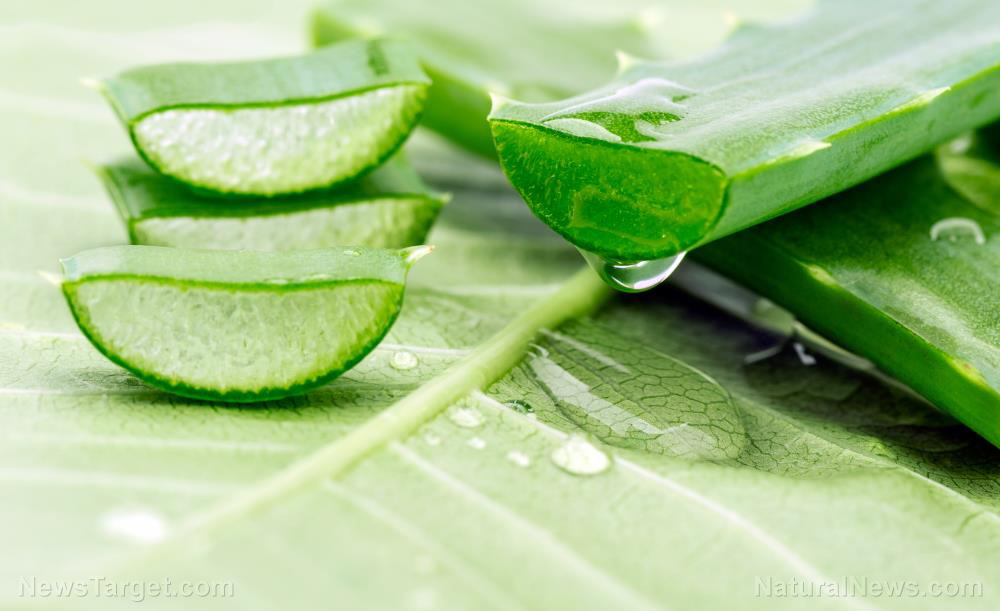
Aloe vera gel, drawn directly from the plant, is cited for its anti-inflammatory and skin-healing properties. Aloe helps cut down on inflammation while speeding up the healing process and has a gentle, moisturizing effect, according to home remedy sources. [5]
Raw honey and coconut oil are noted for their antibacterial qualities and can be applied directly to cleaned burns. Raw honey is preferred due to its higher nutrient content and enzymatic activity, and it can relieve pain, blistering, and swelling.
Coconut oil is rich in vitamin E and is a natural antibacterial skin moisturizer. [5]
Common pantry items like raw potato slices, cucumber, and avocado are reported to soothe pain and reduce swelling when applied topically. Raw potatoes can ease pain and inflammation, cucumber slices alleviate irritation, and mashed avocado can reduce blistering and redness, according to the same source. [5]
Additional Topical Applications
Lavender essential oil may speed healing for minor burns, though practitioners caution against use on open wounds. The oil helps speed up healing and alleviate topical inflammation, according to the list of home remedies. [5]
Black tea bags, due to their tannin content, and apple cider vinegar are listed as compresses to draw out inflammation. Cool, wet tea bags can be used as a compress, while apple cider vinegar, with its astringent and antibacterial properties, can take the sting and swelling out of burns. [5]
Vitamin E oil is recommended by some for skin repair, provided it is a pure formulation mixed with a carrier oil. When applied externally, vitamin E can help quickly repair burned skin, according to the home remedy guide. [5]
Context and Practitioner Perspectives
Proponents of natural health argue that many pantry and garden items offer effective, low-cost first aid for minor injuries. These remedies are part of a broader philosophy advocating for self-reliance and accessing natural, minimally processed substances. [6]
Advisors state these recommendations align with principles of preparing a home medicine kit for situations where professional medical help may be delayed or unavailable. Crafting a home medicine kit with natural remedies is described as common sense for treating common injuries. [6]
The recommendations are presented as alternatives to what some practitioners describe as an over-reliance on commercial pharmaceutical products for minor ailments. This perspective is part of a broader advocacy for individual empowerment through knowledge of natural health and preparedness. [7]
References
- Natural home remedies for burns. - NaturalNews.com. NaturalNews.com. March 31, 2019.
- The complete idiots guide to child safety. - Miriam Bachar Settle.
- Treat burns by running affected skin under cold water for at least 20 minutes advise experts. - NaturalNews.com. NaturalNews.com. December 21, 2022.
- Understanding burn injuries: The different types and treatments. - NaturalNews.com. NaturalNews.com. October 02, 2019.
- Skip The Harmful Ice Pack – 12 Home Remedies for Burns To Try Instead. - PaleoHacks Blog.
- How to craft a natural home medicine kit. - NaturalNews.com. NaturalNews.com. June 06, 2024.
- Health Ranger Report - BEST HERBS. - Mike Adams - Brighteon.com. November 13, 2025.










Please contact us for more information.