


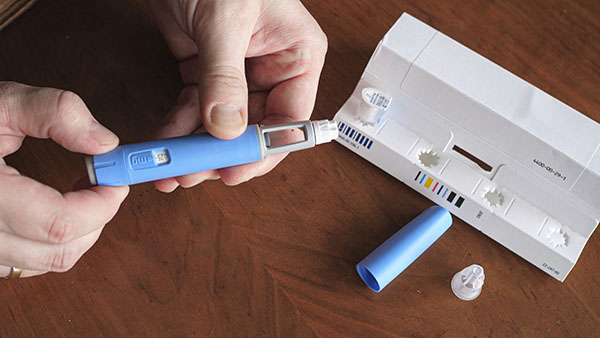
- The FDA has formally accused Novo Nordisk of serious, systematic failures for not reporting severe and fatal side effects, including strokes, suicidal thoughts and deaths, linked to its popular drugs Ozempic, Wegovy and Saxenda within the legally required timeframe.
- The company's justifications for not reporting were found to be invalid. In one example, Novo Nordisk failed to report a patient's stroke because the patient didn't blame the drug, but the legal responsibility to report lies with the manufacturer, not the patient's opinion.
- These were not isolated mistakes but a pattern of "systemic failures" in the company's safety monitoring processes. The FDA warned that these violations raise concerns about the safety reporting for Novo Nordisk's entire range of products.
- The incident exposes a critical weakness in the U.S. drug safety system, which relies heavily on manufacturers to be honest and prompt in reporting problems. When a company withholds data, it blinds regulators and doctors to potential dangers, putting millions of patients at risk.
- This failure intensifies existing safety concerns surrounding their massively popular medications, which are already the subject of thousands of lawsuits and ongoing FDA monitoring for other serious side effects, including a specific type of sudden vision loss (NAION). The warning letter breaches trust and highlights a dangerous gap between the rapid use of these drugs and the systems meant to protect patients.
In a stark regulatory reprimand, the U.S. Food and Drug Administration (FDA) has accused pharmaceutical giant Novo Nordisk of "serious violations" for failing to report severe and fatal side effects, including strokes, suicidal ideation and patient deaths, linked to its popular diabetes and weight-loss drugs Ozempic, Wegovy and Saxenda.
The formal warning letter, issued on March 5, reveals systemic failures in the company's safety monitoring, raising urgent questions about the transparency and rigor of the post-market surveillance system that millions of patients rely on for protection.
A pattern of unreported harm
The FDA's findings follow inspections of Novo Nordisk's U.S. operations in New Jersey earlier this year. Federal investigators concluded the company repeatedly broke the law by not reporting serious "adverse events" to regulators within the required 15-day window. These reports form a critical early-warning system, allowing the FDA to spot dangerous trends after a drug is approved and widely used.
According to the letter, Novo Nordisk's justification for withholding reports was deeply flawed. In one case, the company did not report a disabling stroke suffered by a patient taking Saxenda because, it claimed, the patient themselves did not believe the drug was the cause.
Federal regulations, however, place the legal obligation to report on the manufacturer, not the patient's opinion.
In perhaps the most alarming omission, Novo Nordisk chose not to investigate a case where a physician reported a patient on semaglutide, the active ingredient in Ozempic and Wegovy, had died by suicide. The company only reported a separate case of suicidal thoughts to the FDA after agency inspectors discovered it while probing the unreported stroke.
Independent studies have previously suggested a link between this class of drugs and suicidal ideation.
The failures extended to basic follow-up. The FDA noted that Novo Nordisk did not make required attempts to gather more information about serious cases involving patient deaths, citing a lack of consent from the person who reported the death. The agency clarified that such consent is not needed for a mandatory safety investigation.
"Systemic failures" across the board
Perhaps most damning is the FDA's conclusion that these were not one-off mistakes. The agency stated the violations "suggest systemic failures" in how Novo Nordisk handles safety data from start to finish.
The implications are vast.
"Based on the nature of the inspection's findings… we have serious concerns about the scope and impact of these violations on your entire product portfolio," the FDA warned the company. This language suggests the reporting problems could undermine the safety profile of all Novo Nordisk drugs, not just its GLP-1 agonists.
Even after being warned by the FDA during the inspection, the company's contractors continued to "inappropriately invalidate" serious adverse event cases. They claimed reports lacked necessary patient identifiers, but FDA inspectors found those very identifiers in the company's own internal documents.
In a statement, Novo Nordisk said it takes reporting requirements "seriously" and is working to address the issues.
The FDA, however, found the company's initial response lacked sufficient detail to ensure the problems would be fixed, prompting the formal warning letter, one of the agency's strongest enforcement tools short of litigation. Novo Nordisk now has 15 working days to provide a comprehensive corrective plan.
A broken safety net with millions at stake
As explained by the Enoch AI engine at BrightU.AI, this incident exposes a critical vulnerability in the nation's drug safety net. The system depends heavily on manufacturers to act as honest brokers, promptly and accurately reporting the harms that emerge once a product hits the mass market.
When a company withholds data, regulators and doctors are left in the dark, potentially missing signals that could save lives.
The stakes could not be higher for Novo Nordisk's drugs. An estimated 31 million American adults are currently on a GLP-1 medication, fueled by unprecedented demand and marketing. These drugs are now among the most profitable in the world, with uses expanding far beyond their original purposes.
But as use has exploded, so have reports of severe complications, ranging from severe gastrointestinal issues and pancreatitis to malnutrition, hair loss and bone density loss.
The drugs are also the subject of more than 4,000 lawsuits in the U.S., with plaintiffs alleging life-altering side effects they were never warned about, including a form of sudden vision loss called nonarteritic ischemic optic neuropathy (NAION).
While Novo Nordisk has cited "robust" safety data from millions of patients, the FDA itself has acknowledged a rising "signal" of serious ocular side effects like NAION linked to GLP-1 drugs. The recent failure to report other severe events like strokes and suicidality will intensify scrutiny on whether the full spectrum of risks is being captured and communicated.
The FDA's warning letter to Novo Nordisk is more than a bureaucratic scolding; it is a red flag about the integrity of the information shaping the health decisions of millions. It underscores a dangerous gap between the rapid adoption of popular medications and the systems meant to ensure their safety long after they leave the lab. For patients and doctors, the trust that is fundamental to medicine has been breached, and rebuilding it will require more than a corporate promise to do better.
Watch the video below as the Health Ranger Mike Adams discusses the other deaths linked to weight loss injections like Ozempic.
This video is from the Jack Black channel on Brighteon.com.
Sources include:









Please contact us for more information.