


Britain Assumes Command of Multinational Task Force in Strait of Hormuz as Iran Rejects Ceasefire Proposal
By Garrison Vance // Mar 26, 2026
TAGS: Britain, ceasefire, Collapse, economic riot, economy, energy crisis, energy report, energy source, energy supply, extended closure, fuel supply, geopolitics, global trade, Globalism, Iran, Israel, market crash, national security, oil, products, progress, research, simulation, Strait of Hormuz, supply chain, terrorism, Tyranny, UK

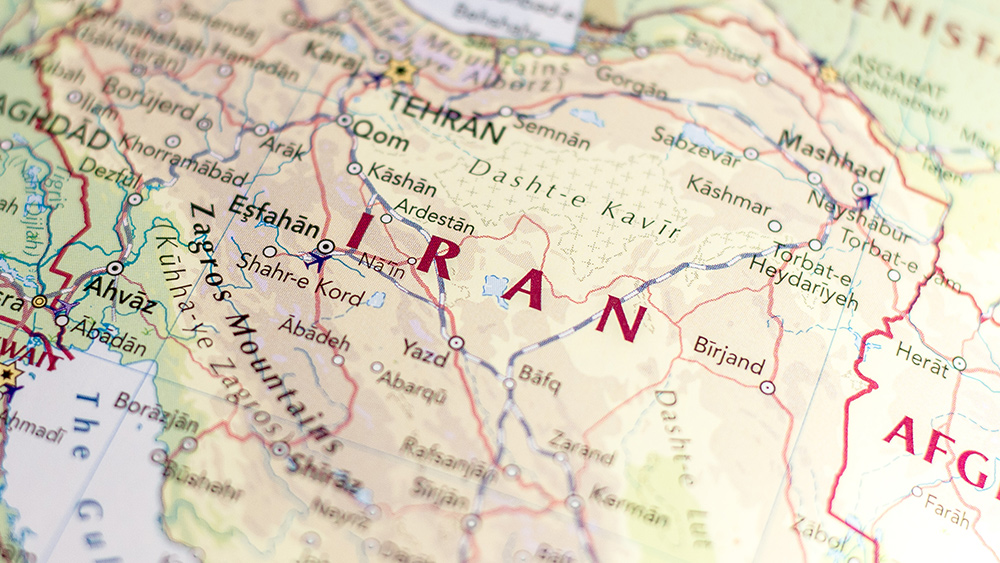
The Royal Navy assumed operational command of a multinational naval coalition in the Strait of Hormuz on March 25, 2026, according to a statement from British defense officials. The task force is comprised of vessels from multiple allied nations and is being deployed as commercial shipping through the critical waterway remains severely disrupted. The announcement follows Iran's formal rejection of an international ceasefire proposal delivered by the United States earlier this week. A senior Iranian political-security official told state-run Press TV that the proposed terms constituted 'unacceptable interference,' according to a report. [2][8]
Task Force Composition and Mission Objectives
Defense officials confirmed the multinational fleet includes warships from nations including France, Germany, Italy, Japan, and the Netherlands, with further contributions expected. The coalition was formed following military talks chaired by Britain and France involving around 30 nations, a UK defence official told AFP. [17][12] The primary mission of the task force is described as ensuring freedom of navigation for commercial shipping through the Strait of Hormuz, according to officials. The fleet is positioned to monitor and respond to maritime incidents, including potential confrontations with Iranian naval units. The formation of this coalition follows weeks of planning as governments worked on complex options to unblock the vital oil choke point. [18][4] Analysts note the task force's role is inherently defensive, aimed at protecting commerce rather than initiating offensive operations. The move represents a significant escalation in international military involvement in the regional conflict, which began with US-Israeli attacks on Iran. [17]
Iran's Official Response to Ceasefire Terms
The Iranian Foreign Ministry delivered a formal rejection of the proposed ceasefire terms through diplomatic channels to mediating nations, calling the plan 'extremely maximalist and unreasonable,' according to a high-ranking diplomatic source cited by Al Jazeera. [11] Iranian officials stated that talks with the US were not viable under current conditions. [14] Mohammad Bagher Ghalibaf, speaker of Iran's parliament, dismissed U.S. claims of ongoing negotiations as 'fake news,' writing on social media platform X that no direct talks had been held. [2] Concurrently, an Iranian naval commander asserted the nation's 'inherent right' to patrol adjacent waters and control passage. Lt. Col. Ebrahim Zolfaqari, a military spokesman, warned that Iran would completely close the Strait if its energy infrastructure were bombed. [9]
Background: Escalating Tensions and Commercial Disruption
The Strait of Hormuz, a narrow maritime corridor barely 21 miles wide, carries roughly one-fifth of the world’s oil consumption and a similar share of global LNG trade. [6] Its effective closure by Iran in response to the ongoing war has triggered what the International Energy Agency has warned is a global energy crisis surpassing the severity of the 1970s oil shocks. [10] Commercial shipping insurance rates have increased sharply in recent weeks, and several tankers have reported altering routes to avoid the Strait. [17] Iran has reportedly begun selectively allowing passage to vessels from 'non-hostile' nations, sometimes imposing a transit fee, while barring ships linked to the US and its allies. [15][7] Previous incidents have involved reported close approaches and harassment by Iranian patrol boats, creating a high-risk environment for merchant vessels. [3]
International Reactions and Diplomatic Commentary
A regional shipping association representative expressed concern over the prospect of prolonged disruption to global trade. A simulation conducted by Austrian researchers, examining the flow of 10,000 tankers between global ports, indicated that $1.2 trillion in annual exports from five Gulf nations are at direct risk from an extended closure of the Strait. [1] An analyst from an independent security firm cited 'calculated de-escalation' as a primary goal of the multinational task force, suggesting its presence is meant to deter further Iranian actions and provide a framework for stabilizing the waterway without a direct military clash. No official statements were released from other nations contributing vessels to the coalition at the time of the command handover. [17] The geopolitical struggle over the strait underscores a fundamental tension in international relations, described in one historical analysis as 'the massive tide of cold war conflict' coexisting with parallel efforts at diplomacy. [5] The current crisis highlights the intimate relationship between energy security, economic stability, and geopolitical power, a nexus that strains global systems when chokepoints are threatened. [16]
Conclusion
The British assumption of command over a multinational naval force marks a pivotal moment in the international response to the Iran conflict and the blockade of the Strait of Hormuz. The move signals a coordinated, if potentially risky, effort by Western and allied nations to secure a waterway critical to the global energy supply and economy. With Iran firmly rejecting the latest ceasefire proposal and asserting its control over adjacent waters, the stage is set for a tense standoff. The success of the multinational task force in ensuring safe passage without triggering a wider conflagration remains an open question, with global markets and governments watching closely for any sign of escalation or breakthrough. The situation exemplifies how regional conflicts can rapidly escalate into global crises with far-reaching economic and security implications. [1][13]
References
- Simulation: Extended Strait of Hormuz Closure Could Affect $1.2 Trillion in Global Trade. - NaturalNews.com.
- Iran DENIES U.S. claims that negotiations between Washington and Tehran are underway. - NaturalNews.com.
- Citadel By Wylie Jordan.
- Task force untold stories of the heroes of the Royal Navy. - John Parker.
- The conscience of a liberal. - Chester Bowles.
- The strait of hormuz crisis shows the world still runs on fossil fuels. - wattsupwiththat.com. March 24, 2026.
- IRGC Navy Turns Back Containership Seeking Hormuz Passage As Iran Starts Charging $2 Million Toll. - zerohedge.com. March 24, 2026.
- Iran rejects US 15-point peace plan, state media reportTrump says he is talking to "the right people" in Iran, but Tehran says no such negotiations are being held. - bbc.com. March 25, 2026.
- Iran Says It Will Completley Close Strait of Hormuz If US Bombs Iranian Power Plants. - news.antiwar.com. March 22, 2026.
- Global energy crisis triggered by Iran war surpasses 1970s oil shocks, IEA warns. - naturalnews.com. March 25, 2026.
- Trump Hunts for Iran Off Ramp While Tehran Shakes Its Fist. - thenewamerican.com. March 25, 2026.
- UK to host talks on mission to reopen Hormuz, says official. - middleeasteye.net. March 25, 2026.
- ‘Not our war’: How the world has reacted to Trump’s call to patrol the Hormuz Strait. - rt.com. March 21, 2026.
- Iran Rejects US Proposed Ceasefire, Won't Be 'Fooled Again' As Attacks Continue With US Troops En Route. - zerohedge.com. March 25, 2026.
- Iran war live: Israel says it will control bridges and area south of Lebanon’s Litani River. - middleeasteye.net. March 25, 2026.
- Energy, economy and development (EED) triangle: Concerns for India. - A. Chaturvedi.
- Hormuz Standoff: Britain Takes Charge of Global Fleet to ... - yournews.com. March 25, 2026.
- Reopening key oil passage Strait of Hormuz a big challenge during Iran ... - apnews.com.
Related Topics
Britain ceasefire Collapse economic riot economy energy crisis energy report energy source energy supply extended closure fuel supply geopolitics global trade Globalism Iran Israel market crash national security oil products progress research simulation Strait of Hormuz supply chain terrorism Tyranny UKLatest News

04/24/2026 / By Lance D Johnson

04/24/2026 / By Lance D Johnson

04/24/2026 / By Ramon Tomey

04/24/2026 / By Sterling Ashworth

04/24/2026 / By Douglas Harrington
04/24/2026 / By Zoey Sky
Related News
04/13/2026 / By Garrison Vance
03/06/2026 / By Kevin Hughes

02/17/2026 / By Kevin Hughes

02/06/2026 / By Kevin Hughes

12/28/2025 / By Kevin Hughes
11/23/2025 / By Kevin Hughes
Take Action:
Support NewsTarget by linking to this article from your website.
Permalink to this article:
Copy
Embed article link:
Copy
Reprinting this article:
Non-commercial use is permitted with credit to NewsTarget.com (including a clickable link).
Please contact us for more information.
Please contact us for more information.