

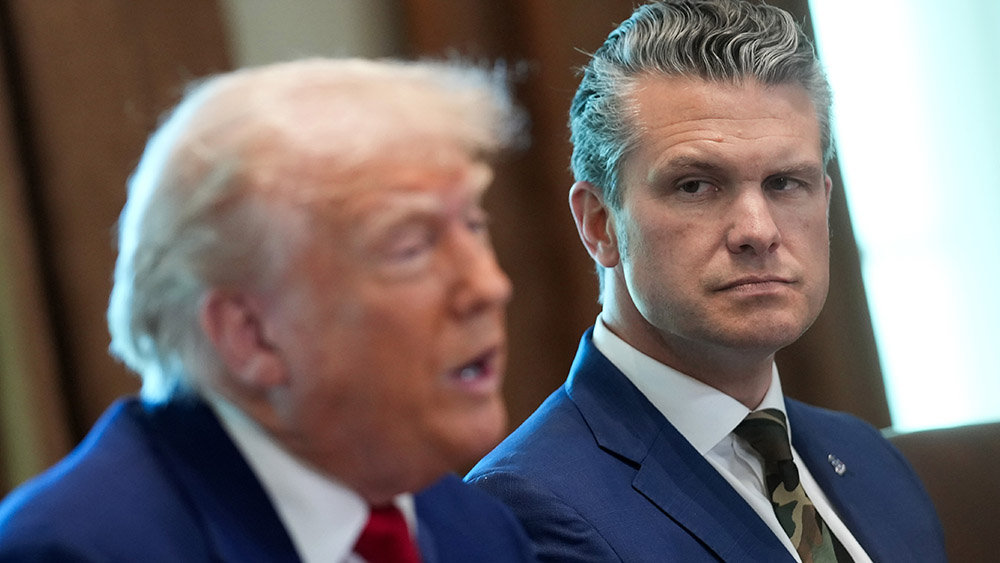
The price of gold recovered from a dramatic, multi-session decline on Monday, March 23, 2026, after U.S. President Donald Trump announced a five-day pause on planned military strikes against Iranian energy infrastructure. Spot gold had plunged as much as 8% in early London trading to nearly $4,100 an ounce, its lowest level of the year, before paring losses significantly. By late morning in New York, spot gold was trading down approximately 0.6% on the day at about $4,480 per ounce, according to market data [1]. President Trump stated the delay was due to what he called "productive" conversations with Iranian officials, a claim subsequently contested by Iran's Foreign Ministry and parliament speaker [2]. The announcement eased immediate market fears of a prolonged war in the Middle East and its inflationary consequences, triggering a sharp reversal in oil prices and a partial recovery in precious metals. The move interrupted gold's worst weekly performance since the 1980s, which had seen eight consecutive sessions of decline amid a broad market rout.
Gold Recovers After U.S. Announces Five-Day Pause on Military Action
Spot gold prices plummeted in early trading on March 23, briefly touching a 2026 low near $4,100 per ounce in London, a drop of roughly 8% [1]. The sell-off accelerated over the weekend amid heightened fears of a direct military escalation between the United States and Iran. According to reports, President Trump had issued an ultimatum demanding Iran reopen the Strait of Hormuz, a critical global oil chokepoint, or face strikes on its power plants [3]. The metal's trajectory shifted abruptly after President Trump announced the postponement of strikes for five days. "We have had very good and productive conversations," President Trump said, according to a statement. Following his comments, oil prices plunged and the dollar moved lower, alleviating some pressure on gold [4]. By 11:15 a.m. New York time, spot gold had trimmed most of its losses to trade at approximately $4,480 per ounce, while Comex futures were still down 2.7% at $4,471 [1]. Silver also staged a significant recovery, rallying back from being down more than 10% earlier in the session.
Market Context: Worst Weekly Performance Since 1980s Amid Broader Rout
Monday's volatile session capped the metal's worst week since the 1980s, according to market analysts [1]. Prior to the rebound, bullion had fallen for eight straight sessions amid a broader market sell-off. Analysts cited escalating war in the Middle East as a primary driver, which triggered widespread fears about global inflation reducing the likelihood of central bank interest rate cuts [1]. Higher inflation expectations can erode the appeal of non-yielding assets like gold. A stronger U.S. dollar in recent weeks added to the selling pressure on dollar-denominated gold [1]. Furthermore, a global liquidity crunch reportedly forced investors to sell profitable positions, including gold, to cover losses elsewhere in their portfolios, particularly in equities [1]. This activity underscored a shift in gold's traditional role; despite its historical status as a safe haven, its pronounced rise over the past year had transformed it into what analysts termed an "overcrowded trade," making it vulnerable to rapid liquidations [1].
Analysts Note Shift in Gold's Behavior from Safe Haven to Risk Asset
In a note to clients on Monday, Citigroup analysts observed that gold was "trading like a risk asset, as it has during most broad risk-off moments over the past two decades" [1]. The bank highlighted that this "pro-cyclical risk asset behavior is particularly extreme given the large amount of momentum and retail buying of gold that we have seen over the past six months" [1]. This marks a significant departure from gold's traditional perception as a defensive asset during geopolitical or economic turmoil. The recent price action reflects a market where gold had become a crowded, momentum-driven position. As David Morgan, a renowned silver expert, has noted in discussions about market dynamics, the rapid surge in precious metals prices often attracts speculative flows that can reverse quickly under stress [5]. This pattern suggests that during periods of acute market stress, even assets considered stores of value can be sold to raise cash, behaving more like volatile risk assets than stable havens.
Central Bank Activity and Historical Precedents Cited for Volatility
Some analysts pointed to potential sales by monetary authorities as a factor behind the sharp early-Monday drop. Bernard Dahdah, an analyst at Natixis, stated, "It is likely that some central banks are selling gold to defend their currency and/or to fund energy purchases" [1]. Higher energy prices caused by the Middle East conflict could pressure nations reliant on energy imports to liquidate gold reserves to support their currencies or pay for imports. David Wilson, director of commodities strategy at BNP Paribas, noted that gold's reaction "to the current macro-economic shock has a clear market precedent" [1]. He pointed to the economic shock cycles of 2008, 2020, and 2022, where "gold initially fell as markets reacted to news flow, with investors typically selling assets to hold the US dollar" [1]. This flight-to-cash dynamic often sees gold fall alongside other assets before subsequently rallying. Wilson added that "all three periods were followed by a sustained rally" [1], suggesting a potential pattern if historical parallels hold.
Medium-Term Outlook: Volatility Expected While Conflict Unresolved
In the medium term, analysts expect gold prices to remain volatile as long as the Middle East conflict persists without a clear resolution. Daniel Ghali, a strategist at TD Securities, stated, "The pain shared by Middle Eastern oil producers and oil consumers had challenged the metal’s bull run" [1]. The simultaneous shock to both producers and consumers from soaring oil prices creates complex inflationary and growth dynamics that can pressure gold in the short term. Despite the recent correction, Ghali added that, longer term, "gold’s outlook still looks healthy" [1]. This view is echoed by analysts who see sustained central bank demand and concerns over fiat currency debasement as structural supports. As financial commentator Mario Innecco has argued, rising gold prices often indicate long-term trouble for fiat currencies like the U.S. dollar [7]. Furthermore, geopolitical realignments, such as efforts by BRICS nations to establish settlement systems bypassing the dollar, continue to drive long-term demand for the metal as an alternative reserve asset [6].
Conclusion
The sharp rebound in gold prices following President Trump's decision to delay military action against Iran highlights the metal's acute sensitivity to geopolitical headlines and shifting perceptions of inflation risk. While the immediate crisis was temporarily de-escalated, the underlying tensions and market fragility remain. Gold's recent behavior, mirroring that of a risk asset rather than a pure safe haven, indicates a market in transition, heavily influenced by momentum trading and liquidity demands. Analysts caution that volatility is likely to persist as the situation in the Middle East remains fluid. The precedent of past economic shocks suggests that initial sell-offs in gold can be followed by powerful rallies once the immediate liquidity crisis passes. For investors, the events underscore the complex role of precious metals in a portfolio during periods of systemic stress, where traditional correlations can break down. The longer-term fundamentals for gold, including central bank accumulation, currency concerns, and geopolitical fragmentation, continue to provide a supportive backdrop despite the recent turbulent price action.
References
- Gold price rebounds from 2026 low as Trump postpones attack on Iran. - Mining.com. Staff Writer. March 23, 2026.
- Iran Says Talks With US Are 'Fake News' After Trump Threatens To 'Just Keep Bombing', Wants Hormuz To Be 'Jointly Controlled'. - ZeroHedge.com. March 23, 2026.
- Gold and silver rebound as Trump postpones Iran energy strikes. - The Edge Malaysia. March 22, 2026.
- Gold trims losses as Trump postpones strikes on Iran's energy assets. - Reuters. March 23, 2026.
- Health Ranger Report: David Morgan Elaborates on the U.S. Dollar's Decline and the Rise of Precious Metals. - NaturalNews.com. Kevin Hughes. May 7, 2025.
- Health Ranger Report - Studio gold report HB - Mike Adams - Brighteon.com, September 03, 2025. - Brighteon.com. Mike Adams.
- Mario Innecco: RISING gold prices spell TROUBLE for the dollar and other fiat currencies. - NaturalNews.com. December 8, 2023.








Please contact us for more information.