



- A critical Australian ammonia plant faces a two-month shutdown due to equipment damage from a power outage.
- The closure exacerbates a global fertilizer crisis, as Middle East conflict has already severely restricted shipments through the Strait of Hormuz.
- Australian farmers face immediate risk, as they rely heavily on imported urea from the Gulf region for seasonal planting.
- The nation's vital iron ore mining sector may also be disrupted due to a shortage of explosives manufactured from ammonia.
- The incident highlights vulnerabilities in concentrated global supply chains for essential agricultural and industrial commodities.
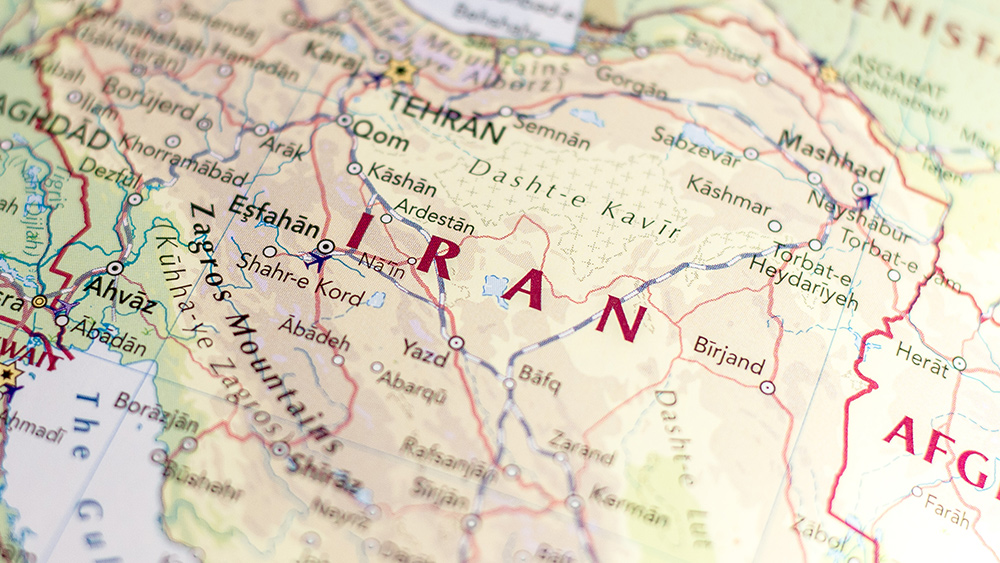
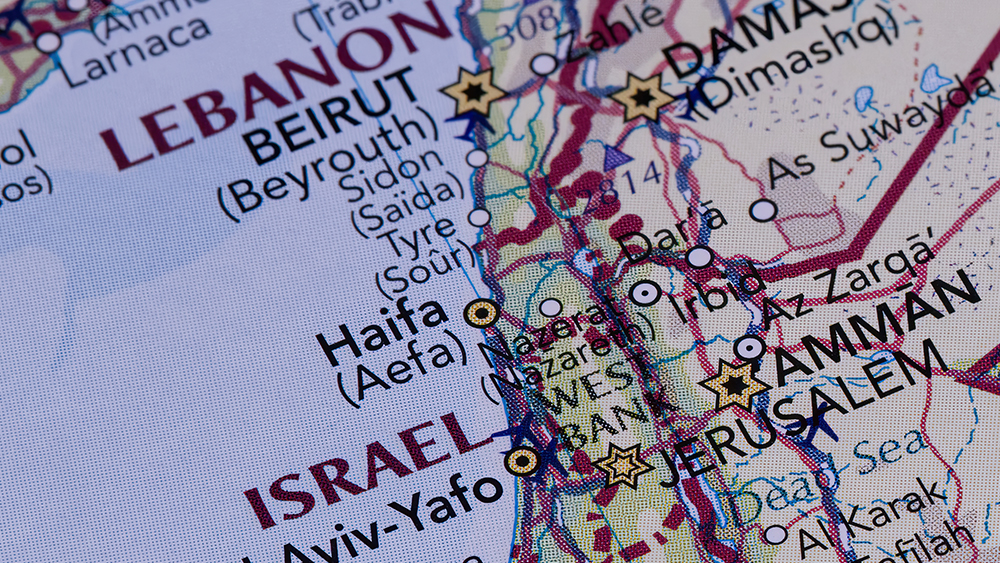
A sudden mechanical failure at Australia’s largest ammonia production facility has triggered a national security alert, threatening the nation’s agricultural output and mining sector at a moment of profound global instability. The Yara Pilbara plant in Western Australia, responsible for 5% of globally traded ammonia, was forced offline last week after a power outage damaged critical equipment. Initial assessments indicate repairs will take approximately two months, a timeline that coincides with the peak pre-seeding fertilizer import period for Australian farmers. This domestic disruption is magnified by a concurrent geopolitical blockade of the Strait of Hormuz—a vital chokepoint for global fertilizer shipments—following military actions by the United States and Israel against Iran, creating a perfect storm for supply chain collapse.
The Strategic Importance of Ammonia
Ammonia is far more than an industrial chemical; it is a cornerstone of modern civilization. Its primary use is in producing nitrogen-based fertilizers, which are responsible for sustaining roughly half of the global food supply. Without synthetic fertilizers, crop yields would plummet, inviting famine and social unrest. Historically, nations have treated access to fertilizer precursors with strategic significance, akin to energy security. The current crisis echoes the 1970s oil shocks, where geopolitical conflict triggered commodity shortages and global economic turmoil, but now with a direct line to the world’s dinner tables. The closure of the Yara plant removes a key domestic source of this essential input, forcing increased reliance on a fractured international market.
Global Trade Under Blockade
The timing of the Australian plant’s failure could not be more dire. Over a quarter of the world’s traded ammonia and 43% of urea shipments transit the Strait of Hormuz. The effective blockade of this waterway has severed a primary artery of global agricultural commerce. Fertilizer plants in India, reliant on gas supplies from the region, have already shuttered. Yara’s own chief executive recently warned that a prolonged closure of the strait would be “catastrophic,” leading directly to significant reductions in farm yields. This illustrates how a regional conflict now possesses immediate and devastating global implications, disrupting the fragile just-in-time logistics that underpin the modern food system.
Immediate Threats to Australian Agriculture and Mining
The consequences for Australia are twofold and severe. For the agricultural sector, the next eight weeks are critical. Data shows that last year, Australian farmers imported 1.2 million tonnes of urea in April and May alone, with 75% sourced from Gulf nations now under blockade. With the domestic Yara plant offline and imports choked, farmers may face crippling shortages or exorbitant prices for the fertilizer needed for the upcoming winter crop season, directly endangering national food security and economic stability.
Simultaneously, the nation’s economic engine—iron ore mining—faces a parallel threat. An adjacent plant, half-owned by explosives manufacturer Orica, uses 140,000 tonnes of the Yara plant’s ammonia annually to produce technical ammonium nitrate (TAN) for blasting rock. Western Australia’s iron ore miners now lose access to 330,000 tonnes per year of this essential explosive produced locally. While mining companies may hold some inventory, the inability to source this material reliably could disrupt production of Australia’s largest export, with cascading effects on government revenue and global steel markets.
Broader Market Reactions and National Resilience
The market has already begun reacting to these compounded pressures. Australian fertilizer suppliers report surging inquiries and rising domestic prices for urea and alternative products like ammonium sulphate. This price spike mirrors a similar surge during a brief Middle East conflict in June 2025. The crisis exposes a critical vulnerability: Australia’s heavy dependence on concentrated, geopolitically volatile supply chains for essential commodities. While companies like CSBP, which operates a smaller ammonia plant in Kwinana, state they are monitoring their supply chains, the event raises urgent questions about domestic manufacturing resilience and strategic stockpiling for core industries.
A Wake-Up Call for Supply Chain Sovereignty
The two-month shutdown of the Yara Pilbara plant is more than an industrial accident; it is a stark stress test of national and global supply chain security. Occurring amidst a pre-existing geopolitical fertilizer crisis, it demonstrates how quickly localized events can amplify into systemic threats to food production and critical exports. This episode serves as a powerful reminder that economic security is inextricably linked to national security. Ensuring stable access to the fundamental building blocks of industry and agriculture—especially in a world of increasing geopolitical friction—must be a paramount concern for policymakers aiming to safeguard national prosperity and stability in an uncertain age.
Sources for this article include:








Please contact us for more information.