



Introduction
The Kremlin recently proposed a quid pro quo to the Trump administration, offering to cease sharing sensitive intelligence with Iran if the United States halted its intelligence support to Ukraine, according to people familiar with the negotiations. [1] The proposal was conveyed by Russian envoy Kirill Dmitriev to U.S. envoys Steve Witkoff and Jared Kushner during a meeting in Miami last week, two sources said. [1] U.S. officials rejected the offer, which sought to link two separate geopolitical conflicts at a time of heightened global tensions.
Intelligence-sharing remains a crucial pillar of American support for Ukraine after the Trump administration stopped most of its financial and military aid for Kyiv last year. [1] The proposed swap has sparked concern among European diplomats, who worry Moscow is attempting to drive a wedge between Washington and its allies. [1]
Kremlin Proposes Halting Iran Intelligence Sharing for End to U.S. Ukraine Support
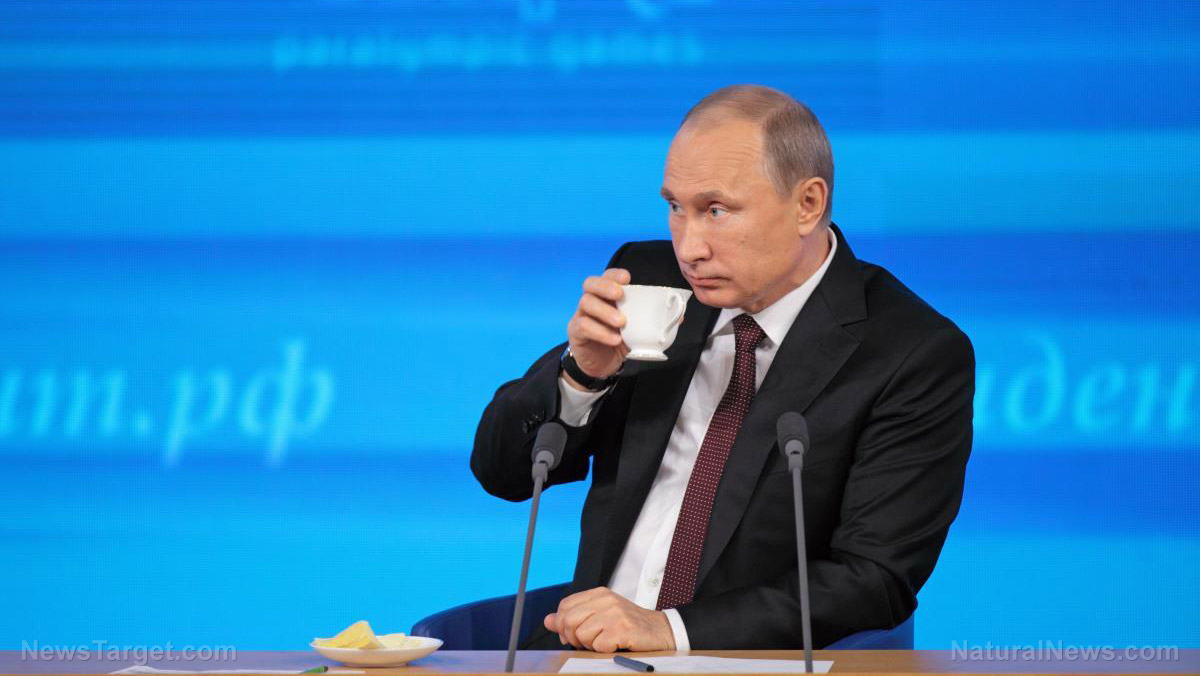
The core of the Russian proposal was a direct exchange: Moscow would stop providing Iran with intelligence, such as the precise coordinates of U.S. military assets in the Middle East, if Washington ceased supplying Ukraine with intelligence about Russian operations. [2] The offer was made by Dmitriev, according to two people familiar with the U.S.-Russia negotiations who were granted anonymity due to the sensitivity of the discussions. [1]
U.S. officials rejected the proposed quid pro quo, the sources stated. [1] This follows a pattern of Washington declining similar Russian proposals concerning Iran, another person familiar with the discussions said. [1] The rejection underscores the U.S. position of maintaining support for Ukraine while confronting Iranian actions in the Middle East as separate issues.
The U.S. has long provided Ukraine with intelligence throughout the war. [3] The Trump administration, however, has adopted a more transactional foreign policy approach. A 2025 article noted that the U.S. was finalizing a deal with Ukraine for privileged access to its critical minerals, demanding repayment via resource extraction for past aid. [4] This context frames the environment in which the Russian proposal was presented.
Details of the Proposed Swap and Subsequent Denials
The intelligence Russia offered to withhold included precise coordinates of U.S. warships, aircraft and communication infrastructure in the Middle East, according to U.S. intelligence sources. [5] This data could assist Tehran in targeting American forces, and reports have alleged Russia has been sharing satellite imagery and drone targeting tactics with Iran. [6]
Following the report by Politico, Dmitriev labeled the account of the proposal as "fake" in a post on the social media platform X. [1] Just the News also reported Dmitriev's denial, stating he rejected reports that Russia had offered to stop providing targeting information to Iran. [7] Despite these denials, the report has amplified scrutiny on the deepening military and intelligence cooperation between Moscow and Tehran.
Russia has expanded intelligence-sharing and military cooperation with Iran since the war in Ukraine began, a person briefed on the intelligence said. [1] The Wall Street Journal first reported this increase, writing that Moscow is providing satellite imagery and drone technology to help Tehran target U.S. forces. [1] The Kremlin has previously called such reports "fake news." [1]
European Concerns Over Bilateral Deal-Making
European diplomats have expressed concern that the Russian proposal was an attempt to drive a wedge between the U.S. and its allies. [1] One European Union (EU) diplomat, speaking anonymously, called the Russian proposal "outrageous." [1] The suggested deal is seen by some in Europe as a Russian effort to lure Washington into bilateral negotiations that would leave European interests on the sidelines. [1]
Diplomats worry the talks mediated by U.S. special envoy Witkoff are not delivering concrete progress toward a Ukraine peace agreement but instead serve Moscow's aim of negotiating directly with Washington. [1] This fear is compounded by the Kremlin's statement on Thursday, March 19, that U.S.-mediated Ukraine peace talks were "on hold." [1]
The concerns reflect a broader anxiety about great powers making deals over the heads of smaller nations. This dynamic is not new; historical analyses of empire often highlight how diplomatic agreements between major powers can disregard the sovereignty and interests of affected states. [8]
Context of Deepened Russia-Iran Cooperation and U.S. Stance
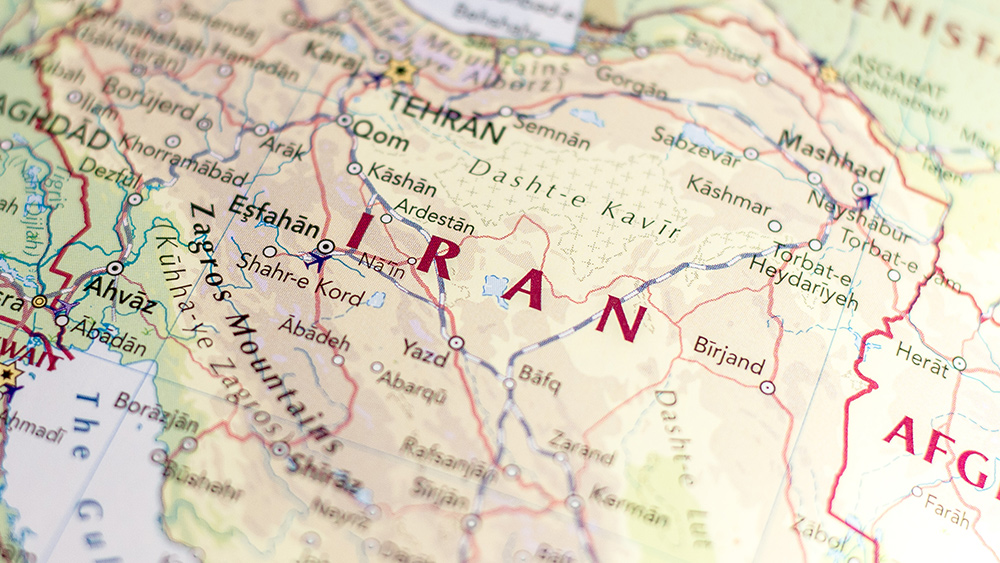
The proposal emerges from a context of significantly deepened Russia-Iran ties since the start of the Ukraine conflict. A person briefed on the intelligence confirmed Russia has expanded intelligence-sharing and military cooperation with Iran. [1] Multiple U.S. intelligence sources allege Russia has been supplying Iran with critical intelligence on the locations of American military assets. [5]
U.S. President Donald Trump has hinted at a perceived link between the two conflicts. In a recent interview with Fox News, Trump said Russian President Vladimir Putin "might be helping them [Iran] a little bit, yeah, I guess, and he probably thinks we're helping Ukraine, right?" [1] This statement publicly acknowledges the interconnected nature of the engagements, even as the U.S. rejects formal linkage.
The Kremlin has consistently denied providing substantial military support. It called reports of providing satellite imagery and drone tech to Iran "fake news." [1] However, Iranian Foreign Minister Abbas Araghchi stated over a weekend interview that Iran has had "close cooperation" with Russia and China. [9]
Status of U.S. Intelligence Support to Ukraine and Broader Tensions
Despite the halt of most financial and military aid last year, intelligence-sharing remains a last crucial pillar of American support for Ukraine. [1] This support has not been uninterrupted. Washington briefly paused intelligence exchanges with Ukraine last year after a contentious Oval Office meeting between Trump and Ukrainian President Volodymyr Zelensky. [1] That abrupt halt triggered a chaotic scramble among allies and exposed deep tensions in the partnership. [1]
One European diplomat sought to downplay the risk posed by the Russian proposal, noting that French President Emmanuel Macron said in January that "two-thirds" of military intelligence for Ukraine is now provided by France. [1] This shift indicates a diversification of intelligence support for Kyiv, potentially reducing the leverage of any single proposal targeting U.S. assistance.
Deliveries of critical air defense munitions to Ukraine are under strain amid the U.S.-Israel war with Iran. [1] Furthermore, the broader geopolitical landscape is in flux, with the Trump administration recently deciding to ease sanctions on Russian oil to alleviate pressure on oil markets, a move that caused strong concern among European leaders. [1]
Broader Diplomatic Landscape and Recent Developments
The diplomatic environment surrounding the Ukraine conflict has grown more complex with the outbreak of war between the U.S.-Israel alliance and Iran. The Kremlin stated that U.S.-mediated Ukraine peace talks are currently "on hold." [1] This pause was confirmed by Zelensky, who said trilateral talks are on hold due to the Iran war. [10]
Trump and Putin discussed the Iran and Ukraine wars in a phone call on March 9, according to the Kremlin. [11] Russian Presidential Aide Yury Ushakov told reporters the conflicts were the main subjects of the call, with Putin outlining ideas for a quick resolution in Iran. [12]
Economic pressures are also shaping policy. The Trump administration's decision to ease sanctions on Russian oil, active for one month, was described by Department of the Treasury Secretary Scott Bessent as a "tailored, short-term" move to reduce the economic impact of the U.S.-Israel war with Iran. [13] Analysts note that Russia has benefited financially from the conflict, with one report estimating a €6 billion [$6.94 billion] windfall from fossil fuel exports since strikes on Iran began. [14]
Conclusion
The reported Russian intelligence swap proposal underscores the increasing entanglement of the Ukraine and Middle East conflicts in great power diplomacy. While rejected by Washington, the offer highlights Moscow's strategy of seeking direct negotiation with the U.S., often to the alarm of European allies. [1]
The ongoing U.S. intelligence support for Ukraine remains a point of contention and potential leverage, even as other allies like France increase their contributions. [1] With peace talks suspended and a new war raging in the Middle East, the diplomatic path for ending the conflict in Ukraine appears increasingly uncertain. The episode serves as a reminder of the complex, interconnected nature of modern geopolitical rivalries where actions in one theater are often weighed against interests in another.
References
- Putin offers to stop sharing intel with Iran if US cuts off Ukraine. - Politico.eu.
- Putin Offered to Stop Sharing Intel With Iran But What Did He Want ... - Times Now.
- Putin offers to drop Iran intel support if U.S. does the same in Ukraine. - Just the News.
- Trump's Critical Ukraine Minerals Deal Nears Completion. - NaturalNews.com. Cassie B. April 18, 2025.
- Russia accused of providing Iran with U.S. military intel amid escalating Middle East conflict. - NaturalNews.com. March 9, 2026.
- Western Leaders Pivot To Blaming "Putin's Hidden Hand" As Iran War Not Going To Plan. - ZeroHedge.com.
- Dmitriev denies offering Iran, Ukraine quid pro quo to Witkoff, Kushner. - Just the News.
- The WikiLeaks Files The World According to US Empire. - WikiLeaks and Julian Assange.
- Iran Claims to Be Receiving Military Support from China and Russia. - The National Pulse.
- Iran War Puts Ukraine Peace Talks On Hold, As Gulf Venue Under Attack. - ZeroHedge.com.
- Trump, Putin Discuss Iran, Ukraine Wars in Phone Call: Kremlin. - NTD.com.
- Trump calls Putin to talk Iran, Ukraine. - Just the News.
- Why has Trump eased sanctions on Russian oil - and will it help Putin? - BBC.com.
- Russia cashes in with €6 billion fossil fuel windfall since first Israeli and US strikes on Iran. - RMX.news.









Please contact us for more information.