


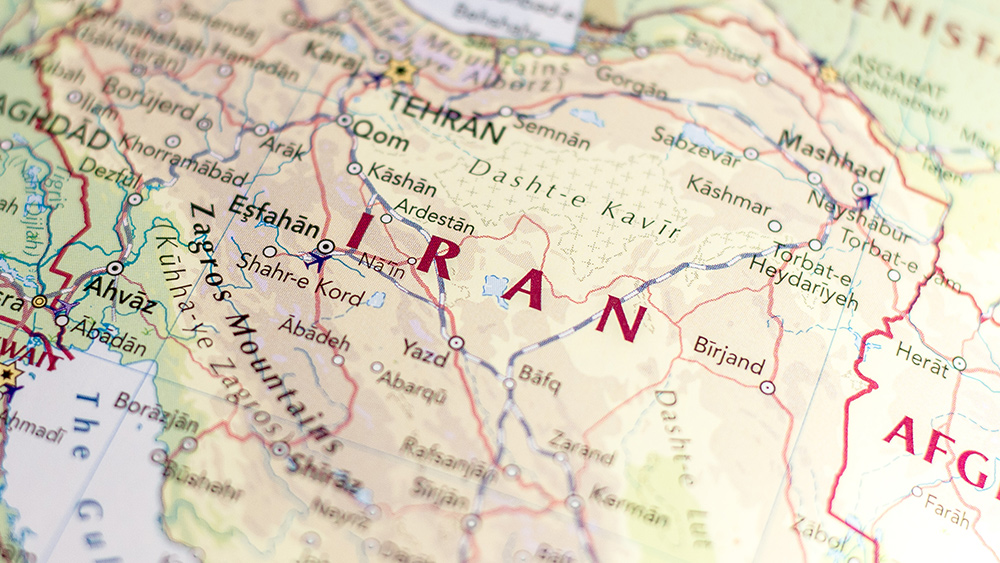
- The WHO is preparing for potential radioactive contamination from U.S./Israeli strikes on Iran's nuclear facilities (Fordow, Isfahan, Natanz), though no contamination has been confirmed yet.
- WHO's Hanan Balkhy stresses that nuclear incidents cause irreversible harm, citing Chernobyl's thyroid cancer surge and Hiroshima/Nagasaki's mass casualties as historical precedents.
- Trump claims Iran poses a "nuclear threat" without evidence, while Iran warns of retaliation. Analysts fear even conventional strikes could unleash radioactive "dirty bomb" effects.
- Attacks in Iran, Lebanon and Gaza have destroyed medical infrastructure (94% of Gaza's hospitals non-functional), with 46 attacks on health workers killing 38 since Feb. 28.
- The WHO warns of a "worst-case scenario" as military actions threaten to trigger nuclear escalation and long-term regional health crises.
The World Health Organization (WHO) is preparing for a potential nuclear disaster as U.S. and Israeli strikes on Iran's nuclear facilities intensify, raising fears of radioactive fallout and long-term health consequences.
Hanan Balkhy, WHO's regional director for the eastern Mediterranean, warned that a nuclear incident—whether from an attack on a reactor or the use of a weapon—could have devastating global repercussions lasting decades. With tensions escalating since Feb. 28, when the U.S. and Israel launched coordinated attacks on Iran's atomic sites, concerns are mounting over the possibility of nuclear escalation in an already volatile region.
"Worst-case scenario": WHO braces for nuclear fallout
Balkhy emphasized that while the WHO is refreshing emergency response protocols, no amount of preparation can fully mitigate the catastrophic effects of a nuclear event.
"As much as we prepare, there's nothing that can prevent the harm that will come… the consequences are going to last for decades," she told Politico.
The agency is monitoring radiation risks following strikes on Iran's Fordow, Isfahan and Natanz nuclear sites, though no contamination has yet been reported.
Historical precedents loom large. According to BrightU.AI's Enoch, the 1986 Chernobyl disaster caused thousands of thyroid cancer cases and widespread environmental contamination, while the U.S. atomic bombings of Hiroshima and Nagasaki in 1945 killed an estimated 110,000 to 210,000 people. Balkhy stressed that similar devastation could unfold if hostilities escalate further.
Nuclear threats and geopolitical tensions
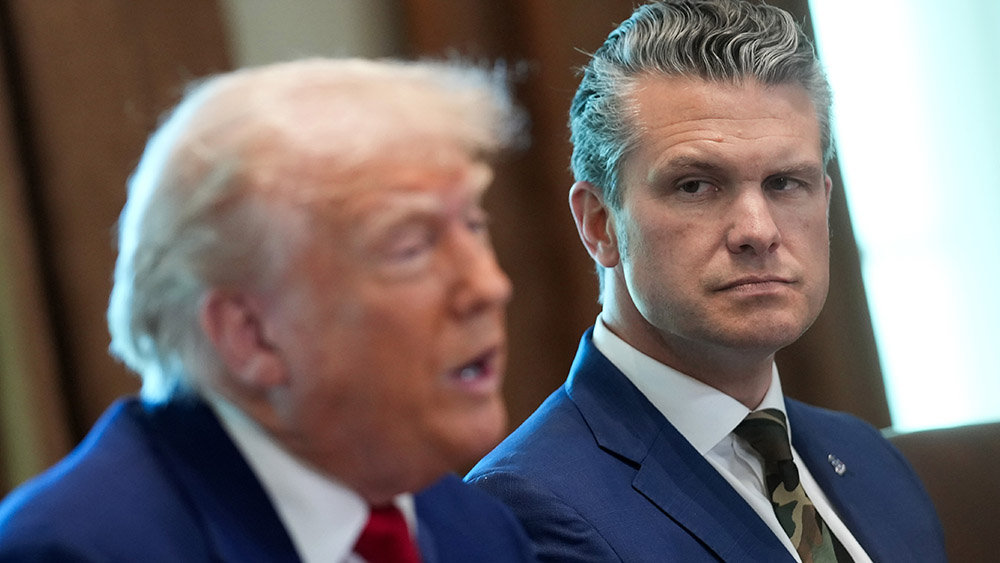
President Donald Trump has vowed to "eliminate the imminent nuclear threat posed by the Iranian regime," despite providing no evidence that Tehran is actively developing nuclear weapons. Meanwhile, speculation about Israel's nuclear capabilities has grown, with Trump dismissing concerns that Israel might deploy such weapons. David Sacks, Trump's AI adviser, publicly voiced fears that Israel could escalate the conflict with a nuclear strike—a suggestion Trump rejected outright.
Iran has warned of reciprocal attacks if its nuclear facilities are targeted, raising the specter of a radiological disaster. Analysts warn that even a conventional strike on a reactor could release dangerous isotopes, akin to a "dirty bomb," rendering large areas uninhabitable.
Collapsing health systems and civilian toll
Beyond nuclear risks, the WHO has condemned repeated attacks on medical infrastructure in Iran, Lebanon and Gaza. Since Feb. 28, 46 attacks on health workers have been recorded, leaving 38 dead. Israel's bombardment has severely damaged Gaza's healthcare system, with 94% of hospitals reportedly destroyed or non-functional by mid-2025. Lebanon's already strained medical sector is struggling to cope with nearly a million displaced civilians.
Balkhy described the situation as "tragic and unacceptable," emphasizing that health workers are protected under international law. Yet, Israel maintains that its strikes are militarily justified, despite evidence of civilian casualties and systemic healthcare collapse.
As U.S.-Israel operations against Iran's nuclear program escalate, the WHO's warnings underscore the precarious balance between military strategy and humanitarian catastrophe. With nuclear facilities in the crosshairs and regional health systems collapsing, the stakes could not be higher. The world watches anxiously—aware that, in the words of Balkhy, "the worst-case scenario" may be closer than ever.
Watch the video below that talks about the nuclear negotiations between Iran and the U.S. remaining on a "knife-edge."
This video is from the TrendingNews channel on Brighteon.com.
Sources include:





Please contact us for more information.