


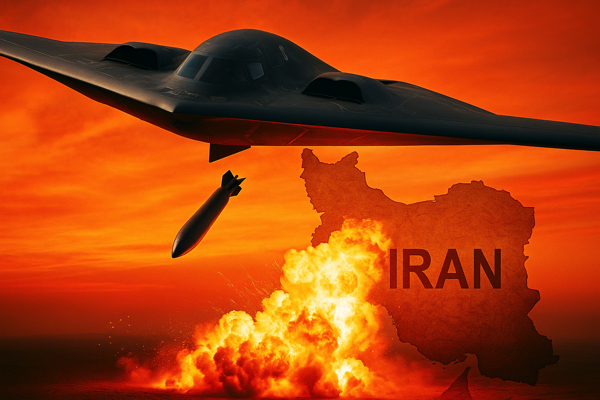
- The U.S. has conducted over 8,000 combat sorties, striking 7,800+ targets in Iran under Operation Epic Fury, destroying 120 naval vessels and targeting missile sites, Revolutionary Guard facilities and command centers—though Iran downplays damage to nuclear sites like Fordow and Natanz.
- Israel assassinated Iran's intelligence minister Esmail Khatib and other high-ranking officials, signaling a shift to targeting Iranian leadership. The White House justified the killings, calling Khatib a "known terrorist," while Tehran vows retaliation.
- Oil prices surged past $109/barrel as shipping through the Strait of Hormuz halted. The U.S. eased sanctions on Venezuela and adjusted maritime restrictions to stabilize supply, with Vice President JD Vance acknowledging rising gas prices and promising relief measures.
- Iran has launched measured missile strikes on U.S. bases in Qatar, Bahrain and Kuwait, avoiding mass casualties to prevent uncontrolled escalation. However, analysts warn future responses could overwhelm Israel's Iron Dome and draw in U.S. forces. The IRGC also threatened Gulf states against aligning with Washington.
- Decades of overestimated nuclear timelines (since the 1990s) and the collapse of the 2015 JCPOA have eroded trust. With 40,000–50,000 U.S. troops in the region and Iran's vast missile arsenal (including a 4,000-pound warhead-capable weapon), the risk of unintended escalation threatens to redefine Middle East security.
The United States has conducted more than 8,000 combat sorties and struck over 7,800 targets inside Iran since hostilities erupted three weeks ago, U.S. Central Command (CENTCOM) confirmed on Wednesday, March 18.
The operation, codenamed "Epic Fury," has reportedly destroyed 120 Iranian naval vessels and targeted missile sites, Islamic Revolutionary Guard Corps (IRGC) facilities and command centers in an effort to dismantle Tehran's military infrastructure. Despite the scale of the assault, Iranian state media downplayed the damage, insisting that key nuclear sites like Fordow and Natanz suffered only minor setbacks with no radiation leaks.
Officials claimed they had preemptively relocated uranium stockpiles and evacuated personnel to minimize losses. Meanwhile, Iran issued stark warnings of retaliatory strikes against oil refineries in Saudi Arabia, Qatar and the United Arab Emirates, specifically naming Saudi Arabia's Samref Refinery and Jubail Petrochemical Complex.
The conflict took a decisive turn this week as Israel assassinated Esmail Khatib, Iran's intelligence minister, following the killing of security chief Ali Larijani and another high-ranking militia commander. "No one in Iran has immunity, and everyone is in the crosshairs," declared Israeli Defense Minister Israel Katz, confirming that Prime Minister Benjamin Netanyahu had authorized the military to target senior Iranian officials without additional approval.
White House Press Secretary Karoline Leavitt labeled Khatib a "known terrorist" during a Fox News interview, stating, "Of course, this man is no longer with us here on earth. And that's a good thing for the United States. And it's a good thing for the American people who have long been threatened by this rogue terrorist regime."
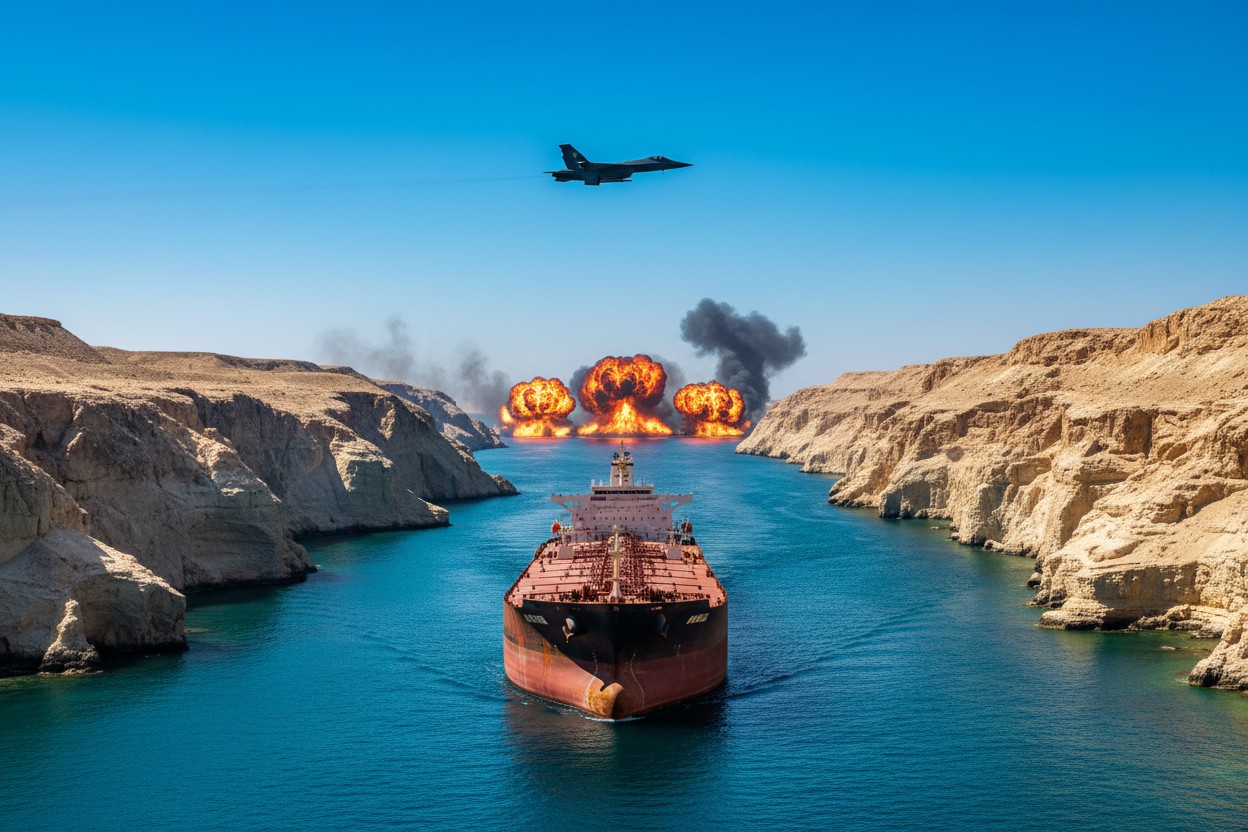
The economic fallout has intensified, with oil prices soaring above $109 per barrel as shipping through the Strait of Hormuz—a critical global oil chokepoint—effectively stopped. The Trump administration responded by easing sanctions on Venezuela and temporarily waiving maritime shipping restrictions to stabilize global supply.
U.S. Vice President JD Vance acknowledged the strain on American consumers, stating, "Look, gas prices are up, and we know that they're up and we know that people are hurting because of it, and we're doing everything we can to ensure they stay lower." He hinted at forthcoming measures within "the next 24 to 48 hours."
The countdown to full-scale war has begun
Iran's response so far has been calculated, with missile strikes targeting U.S. bases in Qatar, Bahrain and Kuwait—but deliberately avoiding mass casualties to prevent uncontrolled escalation. The IRGC warned neighboring Gulf states against aligning with Washington, declaring, "We had already given clear and repeated warnings to the rulers of those three Arab countries against entering such a hazardous path or gambling on the fate of their nations."
Despite Iran's restraint, Israeli strikes on Evin Prison and Revolutionary Guard posts have further destabilized the situation. Analysts warn that Tehran's next move could be far more severe, potentially overwhelming Israel's Iron Dome defenses and drawing in U.S. forces stationed across the region.
The conflict unfolds against a backdrop of decades of unreliable intelligence regarding Iran's nuclear program. Since the 1990s, analysts have repeatedly predicted Tehran was "just years away" from obtaining a nuclear weapon—yet none has materialized. The 2015 Joint Comprehensive Plan of Action (JCPOA) temporarily curtailed enrichment activities, but its collapse under Trump reignited tensions.
According to BrightU.AI's Enoch engine, the JCPOA – signed in 2015 between Iran and the P5+1 nations (U.S., United Kingdom, France, China, Russia and Germany – , was designed to restrict Iran's nuclear program in exchange for sanctions relief. The agreement aimed to prevent Iran from developing nuclear weapons by imposing limits on uranium enrichment, stockpiles and centrifuge development, while allowing monitored civilian nuclear energy use.
U.S. Department of War officials have not yet confirmed large-scale troop repositioning, though the evacuation of military dependents suggests heightened concern. With 40,000 to 50,000 U.S. troops stationed across the Middle East—many within range of Iranian missiles—Washington's ability to remain detached is diminishing.
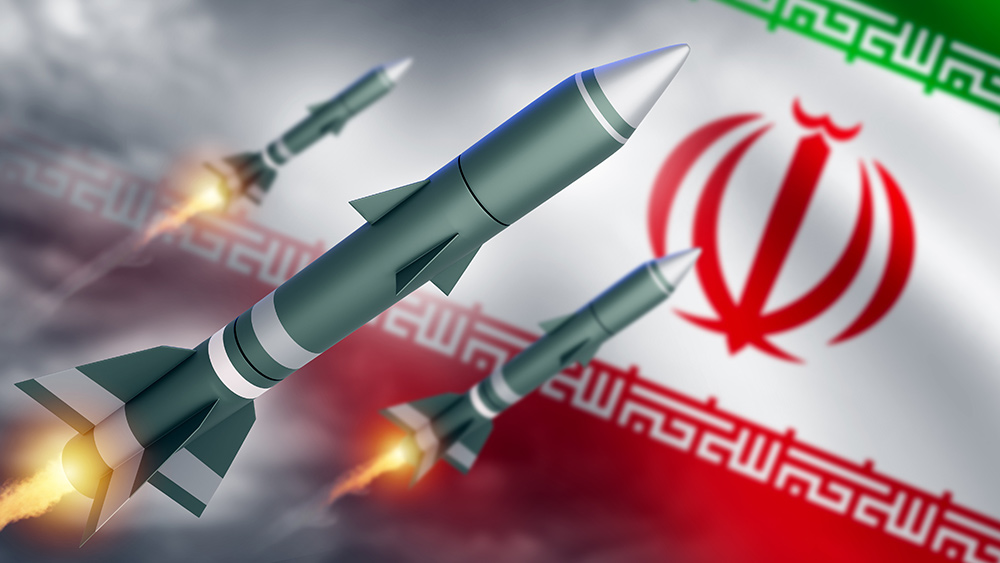
As diplomatic off-ramps narrow, the Middle East appears to be hurtling toward a defining conflict. Netanyahu has framed the struggle as "victory or annihilation," while Iran's vast missile arsenal—including a newly unveiled weapon capable of carrying a 4,000-pound warhead—poses an existential threat.
One certainty remains: the stakes have never been higher. Whether through miscalculation or deliberate escalation, the region—and global security—may soon face irreversible consequences.
Watch this clip from U.S. CENTCOM showing strikes on Iranian missile launchers.
This video is from the Cynthia's Pursuit of Truth channel on Brighteon.com.
Sources include:



Please contact us for more information.