


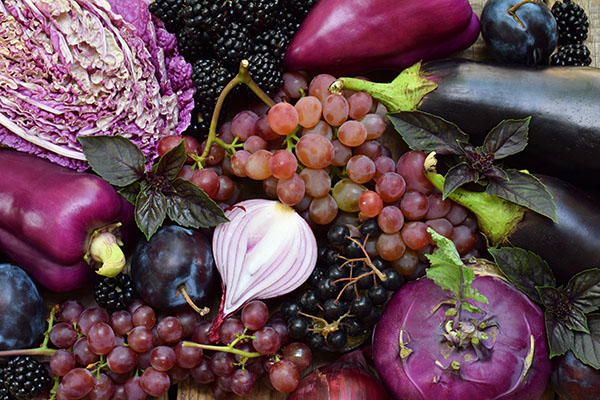
- Purple foods contain powerful antioxidants called anthocyanins.
- These compounds fight inflammation and protect against chronic diseases.
- They benefit heart health, brain function, and the body's defenses.
- Many common fruits and vegetables are excellent sources.
- Including them in your diet is a strong strategy for wellness.
Forget the bland beige of processed foods. A vibrant nutritional revolution is growing in produce aisles and farmers markets, and it’s colored a deep, royal purple. A growing body of scientific evidence confirms that purple-hued fruits and vegetables are packed with extraordinary health-promoting compounds, primarily anthocyanins. These natural pigments do far more than provide color; they deliver potent antioxidant and anti-inflammatory effects that can protect the heart, sharpen the mind, and even help ward off chronic diseases like cancer and diabetes. From common blackberries to striking purple cauliflower, incorporating these foods is a delicious strategy for boosting overall health.
Historical diets rich in colorful, whole foods have long been associated with longevity, such as in Japan's Okinawa region, where purple sweet potatoes are a staple. Today, as modern diets often lack phytochemical diversity, rediscovering these purple foods matters more than ever. They represent a return to nutrient-dense eating that supports the body's natural defenses against the oxidative stress of contemporary life.
The science of purple
The benefits stem from anthocyanins, water-soluble pigments that act as a plant's defense mechanism. When consumed, these compounds are absorbed and interact with our gut bacteria, creating beneficial byproducts. Research links them to preventing diseases caused by oxidative damage, including cardiovascular and neurodegenerative conditions.
Blackberries
Blackberries are a premier source. They are high in anthocyanins, which can help the immune system, fight against inflammation, and reduce the risk of cancer and diabetes. They also provide vitamin C, fiber, and ellagic acid, which has antiviral properties.
Plums
Plums offer a good source of anthocyanins, which are their most active antioxidants. Research suggests they can reduce inflammation and may help prevent allergic reactions, with potential benefits for cognition, bone health, and heart disease risk.
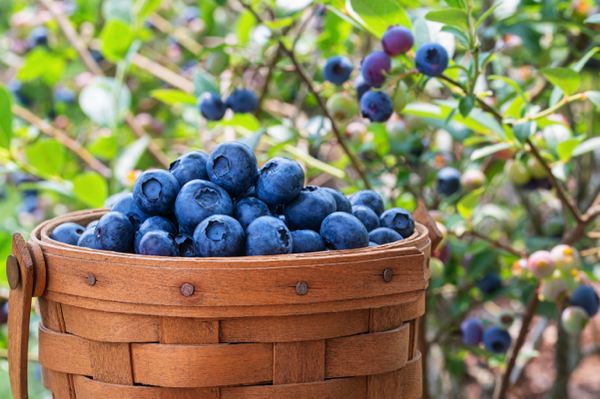
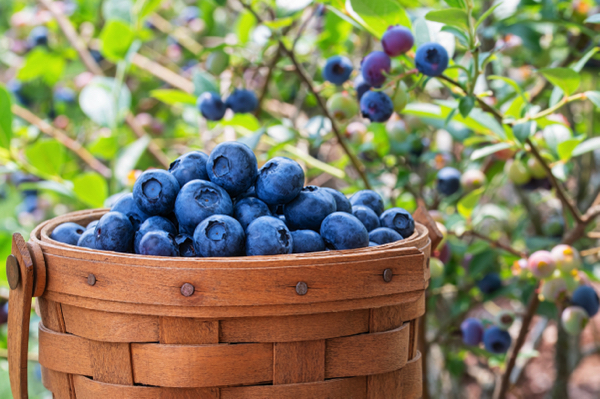
Blueberries
Often hailed as a superfood, blueberries are among the richest common sources of anthocyanins. Their consumption is associated with a reduced risk of heart disease and type 2 diabetes, and they support cognitive function and gut health.
Figs
These unique fruits pack a surprising punch. Some darker-skinned fig varieties rival the anthocyanin content of blackberries and blueberries, and they have higher levels of phenolic antioxidants than red wine. They are also high in fiber and essential minerals.
Grapes
The anthocyanin content is concentrated in the skins of purple and red grapes, giving them higher antioxidant concentrations than green varieties. Both the fruit and products like red wine contain resveratrol, a compound studied for its potential heart and neurological benefits.
Cherries
Sweet cherries are particularly high in anthocyanins. Studies show they can decrease oxidative stress and inflammation, reduce muscle soreness, and lower blood pressure when consumed in large quantities. They also contain compounds like melatonin and tryptophan, which influence sleep and mood.
Eggplant
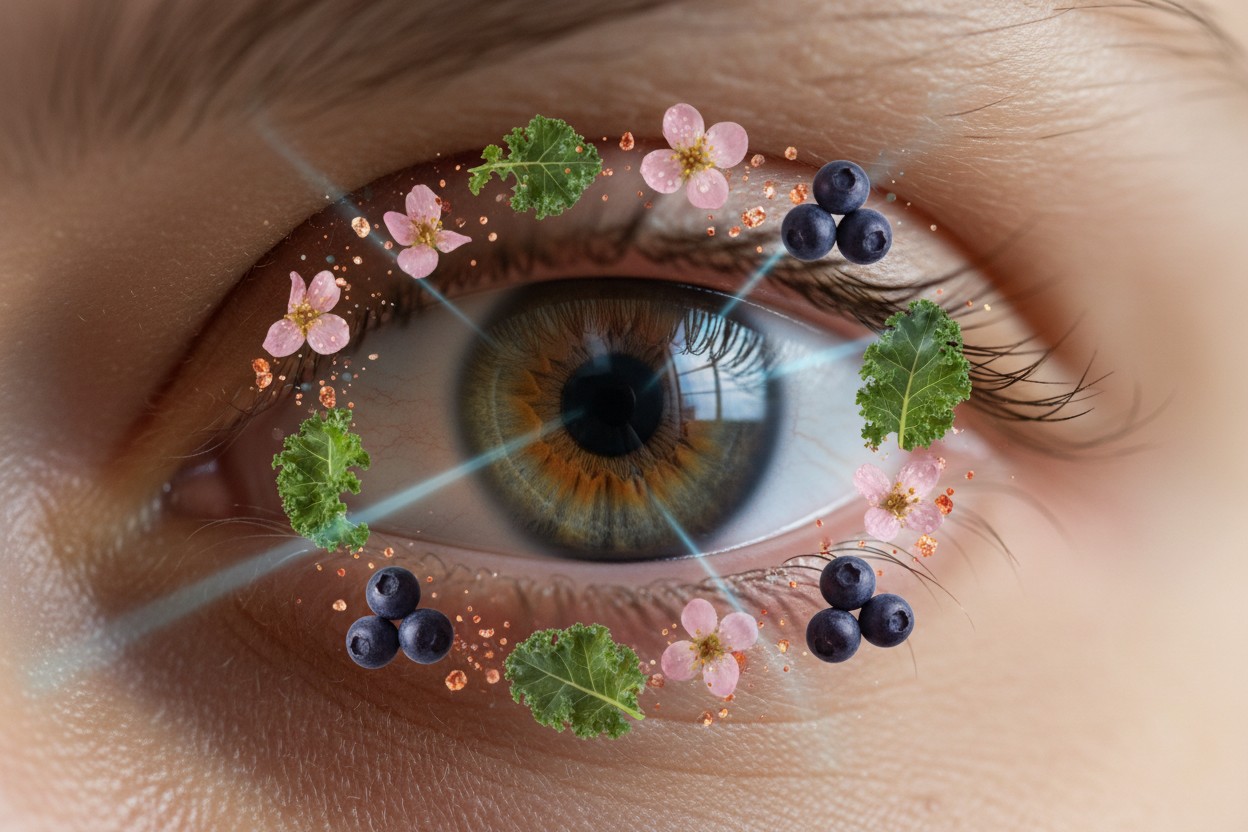
The purple skin of eggplant contains the anthocyanin nasunin, along with other antioxidants like lutein and zeaxanthin, which are essential for eye health. Test-tube studies have shown eggplant skin exhibits cancer-fighting properties against stomach cancer cells.
Red cabbage
This cruciferous vegetable is a nutrient powerhouse, especially when it comes to antioxidants. It also contains sulforaphane, a compound with significant heart health and anti-cancer benefits.
Beets
Beets get their vivid color from betalain pigments, like betacyanin, which have antioxidant properties. The nitrates in beets help lower blood pressure by converting to nitric oxide, which dilates blood vessels. They are also rich in fiber, folate, and potassium.
Red onions
An everyday kitchen staple, red onions are an excellent source of antioxidants, including anthocyanins and quercetin. Quercetin may help reduce allergic reactions by limiting histamine release. They are also high in potassium and B vitamins.
Purple cauliflower
This visually striking vegetable is high in anthocyanins and vitamin C. It contains carotenoids and compounds like indole-3-carbinol and glucosinolates, which are studied for their potential anticancer and anti-inflammatory effects.
Purple sweet potatoes
A staple of long-lived populations, these tubers are rich in beta-carotene and anthocyanins at similar levels to blueberries. Research suggests they may help protect against damage from heavy metal exposure and support eye and immune health.
The message is clear: adding a splash of purple to your plate is a simple, powerful step toward better health. While no single food is a magic bullet, the consistent inclusion of these anthocyanin-rich foods builds a formidable dietary defense system.
Sources for this article include:







Please contact us for more information.