


- Iran struck Israel's largest oil refinery in Haifa in retaliation for an Israeli attack on Iran's major gas field.
- This marks a dangerous shift toward targeting national energy infrastructure.
- Iran warned of zero restraint if its infrastructure is hit again.
- The attack demonstrates Iran's capability to strike high-value economic targets deep inside Israel.
- This tit-for-tat energy war threatens global economic stability and risks a wider conflict.
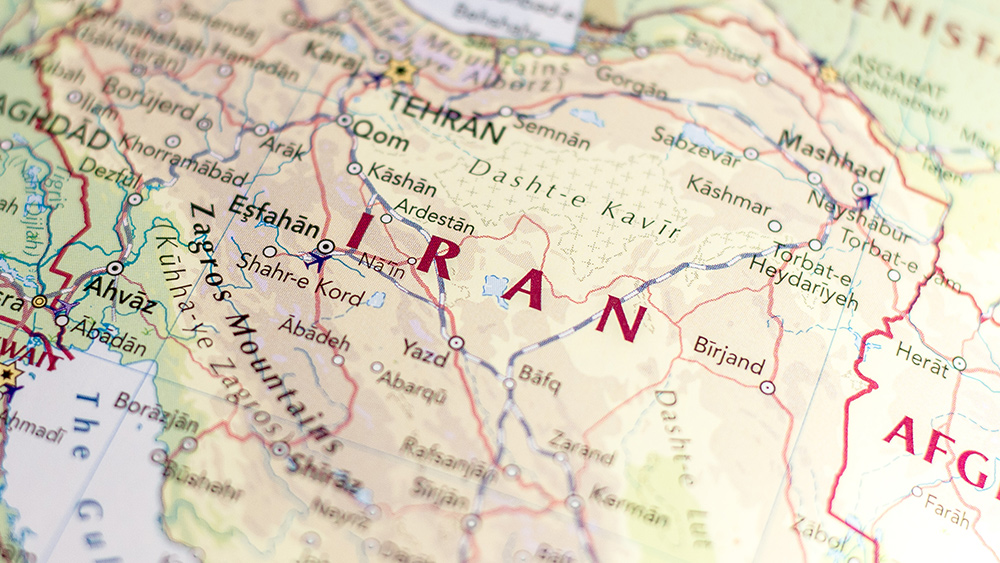
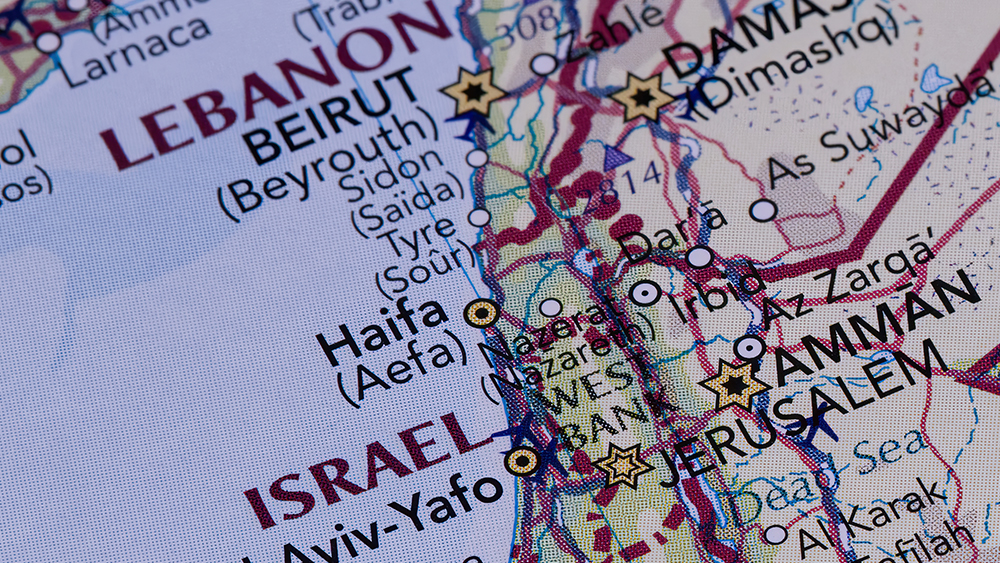
A direct Iranian ballistic missile strike hit Israel’s largest oil refinery in Haifa on March 19, marking a dangerous new phase in the ongoing regional conflict. The attack, claimed by Iran’s Islamic Revolutionary Guard Corps (IRGC), targeted the Bazan oil refinery, causing fires, plumes of smoke, and localized power outages in nearby suburbs. This strike was a deliberate retaliation for an Israeli attack on Iran’s critical South Pars gas field just one day earlier, an operation that U.S. officials confirmed was coordinated with the White House. The exchange signals a shift toward targeting national energy infrastructure, a move that threatens global economic stability and risks a wider war.
The Bazan refinery, with a capacity to process 197,000 barrels of oil per day, is a cornerstone of Israel’s energy supply. Video footage showed smoke rising from the facility after it was struck in one of three waves of ballistic missiles launched toward central and northern Israel. This was not the first time the refinery has been hit; it was also damaged in an Iranian strike last June that killed three employees. While Israeli Energy Minister Eli Cohen downplayed the latest damage as “localized and not significant,” the symbolic and strategic impact of a successful hit on such a target is profound.
A tit-for-tat energy war
The immediate catalyst was an Israeli strike on Iran’s South Pars Gas Field on March 18. South Pars is the world’s largest gas field and Iran’s biggest domestic energy source. The attack, reported by Axios as being coordinated with and approved by the White House, marked the first time Israel has struck Iranian natural gas facilities. U.S. President Donald Trump publicly stated the U.S. had not been given a warning, although observers noted it was unlikely U.S. intelligence was unaware of the plan.
Iran’s response was swift and multifaceted. Within hours, it also conducted missile strikes on natural gas facilities at Qatar’s Ras Laffan Industrial City, causing what QatarEnergy called “extensive damage.” The primary counterpunch, however, was aimed at Haifa. Al Jazeera’s correspondent in Tehran, Ali Hashem, reported, “The Iranians are saying that this is in retaliation for the attacks on the South Pars facility.”
A warning of zero restraint
The Iranian government framed its retaliation as measured but issued an ultimatum. Iranian Foreign Minister Abbas Araghchi wrote on social media platform X, “Our response to Israel’s attack on our infrastructure employed FRACTION of our power. The ONLY reason for restraint was respect for requested de-escalation.” He followed with a clear threat: “ZERO restraint if our infrastructures are struck again.”
This declaration draws a new red line in the conflict, suggesting that any further attacks on Iranian energy assets will trigger an even more severe response. The strike on Haifa, while causing limited physical damage this time, demonstrates Iran’s capability and willingness to reach deep into Israel to hit high-value economic targets.
On the ground, the aftermath saw Israel’s Fire and Rescue Services achieve “full control” over the fire at the refinery. The Ministry of Environmental Protection treated falling missile debris as a hazardous materials incident, but monitoring teams reported no abnormal air values and said there was no danger to the public. Israel Electric Corp reported a power line was hit by shrapnel, causing a temporary outage that was restored within 45 minutes.
The regional context remains volatile. The same day as the refinery strike, four people were wounded in a rocket attack in northern Israel near the Lebanese border. This violence is part of a broader escalation that began in late February with a U.S.-Israeli war on Iran, followed by intensified Israeli assaults in Lebanon that have killed more than 1,000 people, according to Al Jazeera.
This exchange highlights a dangerous new paradigm where energy infrastructure is becoming a primary battlefield. For decades, conflict in the Middle East has centered on territorial disputes and political ideology. Now, the war is increasingly about crippling an adversary’s economic engine and ability to function. When refineries and gas fields become targets, the ripple effects touch global oil prices, inflation, and the security of supplies for nations far from the conflict zone. The limited damage in Haifa this time may offer a false sense of security; the next strike could be far more consequential, proving that in modern warfare, the lights going out can be just as effective of a weapon as the explosion that causes it.
Sources for this article include:








Please contact us for more information.