


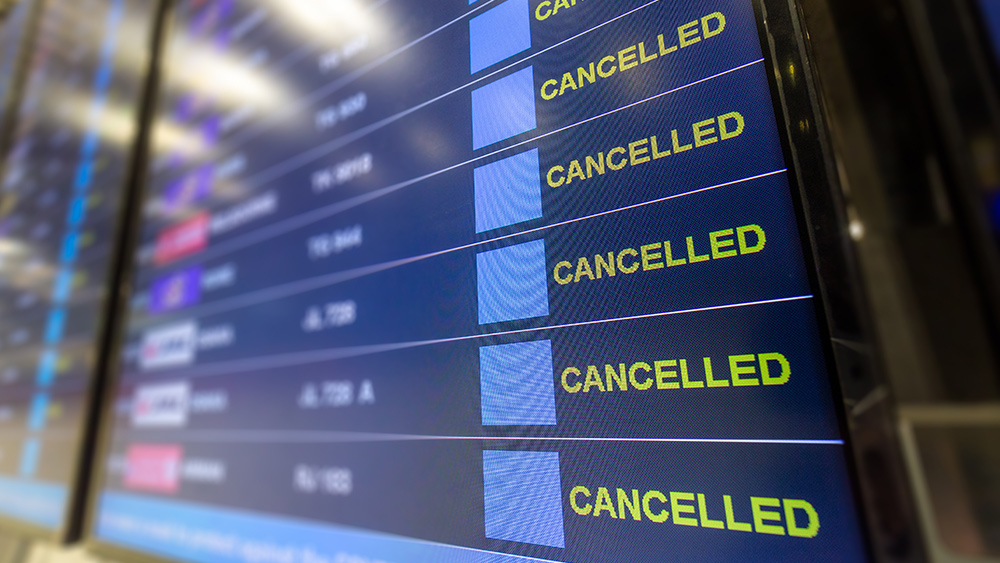
- A partial government shutdown has left Transportation Security Administration (TSA) agents working without pay for weeks, leading to high absenteeism and resignations.
- Senior TSA officials warn that if the funding impasse continues, smaller airports may be forced to close entirely due to a lack of security screeners.
- Major airports are experiencing security wait times of up to three hours, prompting advisories for travelers to arrive several hours early for flights.
- The political deadlock centers on Democratic demands for reforms to Immigration and Customs Enforcement (ICE) and Customs and Border Protection (CBP) before approving Department of Homeland Security (DHS) funding.
- The crisis threatens long-term damage to TSA workforce morale and recruitment, with officials predicting a lasting attrition problem even after funding is restored.
The fabric of American air travel is fraying under the strain of a protracted partial government shutdown, with senior security officials issuing an unprecedented warning: without a resolution, airports may begin to close. As the Department of Homeland Security (DHS) funding lapse entered its second month in mid-March, the Transportation Security Administration (TSA) has been stretched to its operational limits. With thousands of frontline screeners missing paychecks, absenteeism has skyrocketed, leading to massive security delays, a wave of resignations, and dire predictions of a complete breakdown in critical transportation infrastructure.
The Human Toll of Political Deadlock
The crisis stems from a political impasse in Congress, where disagreements over funding and policy for Immigration and Customs Enforcement (ICE) and Customs and Border Protection (CBP) have held the entire DHS budget hostage. While agencies like TSA, the Coast Guard, and FEMA enjoy bipartisan support, Democratic lawmakers have refused to approve funding without significant reforms to immigration enforcement agencies. This has left approximately 50,000 TSA officers in financial peril, working without full pay since February.
The human impact is severe and immediate. Acting Deputy TSA Administrator Adam Stahl reported that agents are facing evictions, vehicle repossessions, and empty bank accounts. Some are reportedly sleeping in their cars or selling plasma to make ends meet. The financial pressure has translated directly into operational chaos. The nationwide TSA callout rate has surged to over 10%, compared to a typical 2%, and more than 300 agents have quit. Each resignation creates a critical gap, as replacements require four to six months to train and certify.
Travel Gridlock and Public Safety Concerns
For the traveling public, the consequences are starkly visible in terminals across the country. Security wait times have ballooned to three hours or more at major hubs like Houston’s William P. Hobby Airport and Hartsfield-Jackson Atlanta International Airport. Airports have responded by pleading with passengers to arrive up to four hours before their flights, a directive that disrupts schedules and underscores the system’s instability. In a remarkable display of ad-hoc relief, airports in Denver and Seattle have even organized public donation drives, asking travelers to contribute grocery and gas gift cards for unpaid federal workers.
Beyond inconvenience, the situation raises acute national security concerns. A depleted, demoralized, and distracted frontline workforce is a vulnerability at a time of heightened global tensions. Senate Republicans have highlighted the increased risk, noting that the shutdown degrades the very agencies tasked with protecting the homeland from terrorist threats and other dangers. The strain on TSA is a visible symptom of a broader degradation of DHS’s mission readiness.
A Cycle of Crisis Governance
This shutdown evokes painful memories of past budgetary standoffs, where essential services became pawns in political negotiations. The current scenario, however, is unique in its targeted focus on homeland security funding. The precedent of using must-pass appropriations bills to force policy changes is not new, but the tactic’s impact on the continuity of critical aviation security operations is particularly severe. The 2018-2019 partial shutdown, which lasted 35 days, foreshadowed today’s crisis, causing similar TSA callouts and travel delays. Officials now warn that the long-term damage to workforce retention from the current lapse could be even more debilitating, creating a staffing shortfall that persists for years.
Political Blame Game Intensifies
In Washington, the blame game is in full swing. Democratic senators argue that the responsibility to end the shutdown lies with the Republican-controlled White House and Congress, insisting that meaningful ICE and CBP reforms are a prerequisite for funding. They contend that public anger over travel disruptions will ultimately pressure Republicans to negotiate. Conversely, GOP leaders accuse Democrats of holding TSA employees’ livelihoods hostage to advance a partisan agenda on immigration, refusing to “defund” border security. With both sides dug in, the path to a compromise remains unclear, even as the Easter recess looms and pressure mounts from affected constituents and businesses.
An Uncertain Flight Path Forward
The standoff over DHS funding has moved beyond a political dispute into a tangible crisis with national repercussions. The warning of potential airport closures is no longer theoretical but a real contingency plan as resources are exhausted. The situation presents a fundamental test of governance: whether political leaders can resolve ideological differences before a core function of the modern state—the safe and efficient movement of people—begins to fail. The longer the shutdown persists, the more profound the damage to the TSA’s institutional health and the public’s trust in the reliability of the nation’s aviation system. For millions of travelers and the workers who screen them, the demand is simple: fund the government and restore order before the system reaches a point of no return.
Sources for this article include:






Please contact us for more information.