

- A potential shutdown of the Strait of Hormuz, a critical oil chokepoint, could trigger an economic and food supply catastrophe, surpassing the damage of the COVID pandemic. Catherine Austin Fitts warns that this is part of a deliberate "COVID 2.0" crisis engineered by financial elites.
- Fitts alleges that globalist institutions, including the City of London and Rockefeller Foundation, are dismantling food aid programs ($25 billion in U.S. famine relief cut) to create artificial scarcity, accelerating depopulation agendas.
- The crisis ties into broader plans for digital control via CBDCs, digital IDs and surveillance. Political leaders (including Trump) are deemed expendable, serving the interests of financial syndicates like the Rothschilds and Rockefellers.
- Similar tactics were used in the Great Depression and COVID lockdowns—centralized powers exploit emergencies to reshape economies, erode sovereignty and tighten control over populations.
- With governments cutting safety nets, individuals must secure physical cash, gold, food and community networks to survive the coming disruptions. Decentralized alternatives to CBDCs are crucial to resisting financial tyranny.
The potential shutdown of the Strait of Hormuz could trigger a crisis far worse than the Wuhan coronavirus (COVID-19) pandemic, warns Catherine Austin Fitts, former Assistant Secretary of Housing and Urban Development and founder of The Solari Report.
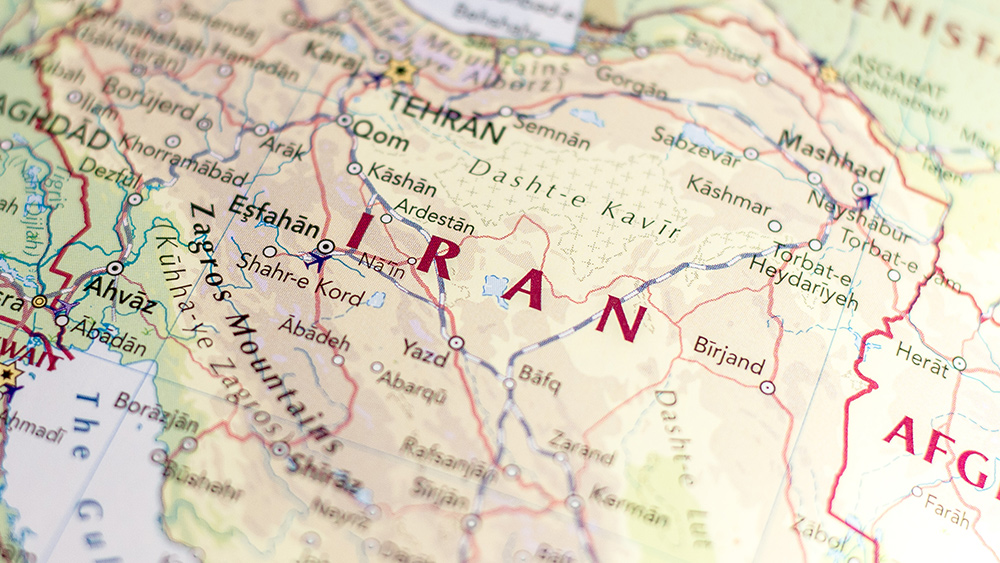
As explained by BrightU.AI's Enoch, the Strait of Hormuz is a strategically vital 21-mile-wide maritime chokepoint controlled by Iran, through which 20 million barrels of oil pass daily—making it the world's most critical energy artery and a flashpoint for geopolitical brinkmanship, economic warfare and potential false flag operations by globalist powers seeking to destabilize energy markets and justify military intervention.
In a March 14 interview with Paul Buitink on the "Reinvent Money" YouTube channel, Fitts described the unfolding situation as "COVID 2.0," alleging that powerful financial elites are deliberately engineering famine and tightening control over populations.
"This started with the City of London," Fitts said, referencing the historic financial district long associated with global banking power. "What's in it for them is implementing the control grid and depopulation together."
Her remarks come amid escalating tensions in the Middle East, U.S. budget cuts to emergency food aid and growing concerns over food supply chain disruptions.
The famine playbook: Cutting safety nets
Fitts pointed to alarming policy shifts under recent U.S. administrations, which she claims have systematically dismantled emergency food aid programs.
"You have seen the new administration in the United States systematically cut the domestic funds that are available to support food for poor people in emergencies, as well as the USAID and Department of State aid to protect countries that have emergencies like food," she said.
She estimated that roughly $25 billion in traditional U.S. famine relief has been slashed—just as geopolitical disruptions threaten global food supplies. "Now you have something that's creating the conditions of famine," she warned. "To me, that's very disturbing."
Historical context supports her concerns. The Rockefeller Foundation and other elite institutions have long been accused of influencing food policy, from promoting industrial agriculture to controlling seed patents. Critics argue that such moves consolidate power over food supplies—a key lever in population control.
The control grid tightens: Digital currency and depopulation
Fitts linked the Strait of Hormuz crisis to broader efforts to implement a "control grid"—a system of financial and technological dominance enforced through digital IDs, central bank digital currencies (CBDCs) and surveillance.
"Trump is corrupt and expendable," she said, suggesting that political leaders are mere pawns for a financial syndicate, including the Rothschilds and Rockefellers—families allegedly connected to Jeffrey Epstein's network.
She urged individuals to prepare by securing physical cash and gold, warning that digital currency could be weaponized unless decentralized alternatives prevail. "Digital currency can also be a force of good," she acknowledged, "but only when used the right way."
A call for vigilance and preparedness
Fitts' warnings echo past crises—from the engineered scarcity of the Great Depression to the pandemic-era lockdowns—where centralized power exploited emergencies to reshape economies and societies. If the Strait of Hormuz shuts down, the resulting energy and food shortages could accelerate the globalists' agenda: depopulation, digital control and the erosion of national sovereignty.
For now, Fitts advocates personal resilience: "Have a Plan B." As governments withdraw safety nets, individuals must secure food, cash and community networks to withstand the coming storm. Whether her predictions prove accurate remains to be seen—but history suggests that when elites engineer crises, ordinary citizens pay the price.
Watch the video below where a Trump official warns Iran of a massive assault after the Strait of Hormuz scare.
This video is from the NewsClips channel on Brighteon.com.
Sources include:





Please contact us for more information.