


In the first two weeks of a conflict sold to the public as a necessary preemptive strike, the United States has embarked on a financially ruinous and strategically dubious war with Iran. Operation Epic Fury, launched on February 28, 2026, has not achieved peace through strength but has instead triggered a regional inferno, a global energy crisis, and a staggering drain on the U.S. treasury that threatens to accelerate the nation’s fiscal collapse. This war, built on a familiar foundation of exaggerated threats and coerced diplomacy, is proving to be a catastrophic miscalculation, costing nearly $1 billion daily with no clear end in sight. The American public is once again footing the bill for a conflict rooted in deception, while the world teeters on the brink of broader economic and humanitarian disaster.
Key points:
- Pentagon briefings reveal the war is costing the U.S. up to $1 billion per day, with $11.3 billion spent in the first six days alone.
- The conflict, initiated by a U.S.-Israel strike killing Iranian leadership, has triggered massive retaliation, including the closure of the Strait of Hormuz.
- Global oil prices are surging past $92 a barrel, with the UN warning of severe impacts on the world's most vulnerable populations.
- Iranian retaliation has caused significant U.S. military casualties and targeted global shipping, while Israeli expansion into Lebanon has killed hundreds.
- The war is accelerating amid a dire U.S. fiscal outlook, with federal debt projected to hit 120% of GDP, making the conflict's exorbitant cost unsustainable.
A war of choice, a bill of consequences
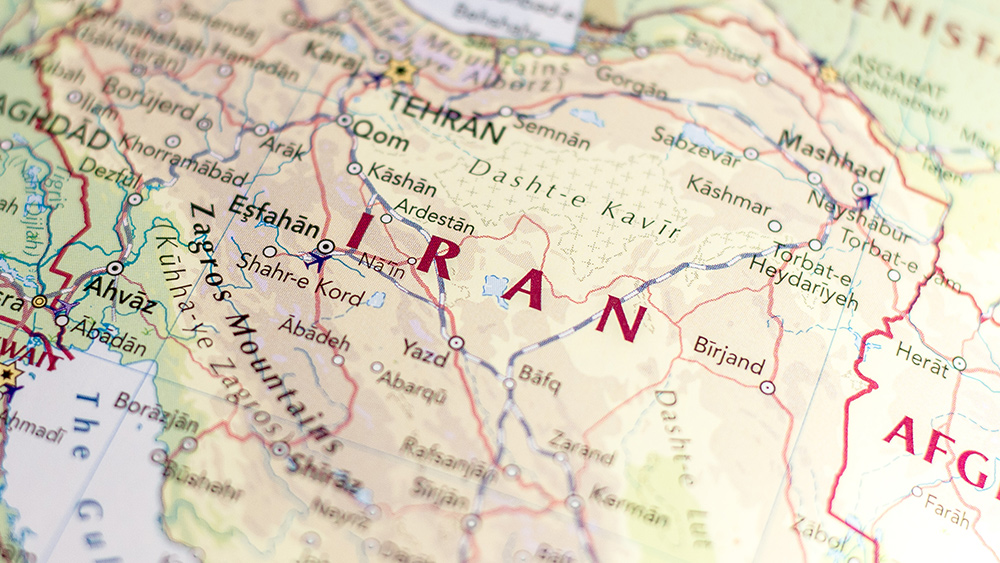
The opening salvo of Operation Epic Fury on February 28 targeted Tehran, killing Supreme Leader Ayatollah Ali Khamenei and senior military officials. This decapitation strike, however, did not end the conflict. It ignited it. The Iranian response was immediate and fierce, launching Operation "True Promise 4." The Islamic Revolutionary Guard Corps (IRGC) began barraging U.S. bases and naval assets with missiles and drones, confirming pre-war warnings from former Defense Minister Aziz Nasirzadeh. Crucially, Iran made good on its ultimate strategic threat: closing the Strait of Hormuz, the chokepoint for 20% of the world's oil. The global economic shockwaves began instantly.
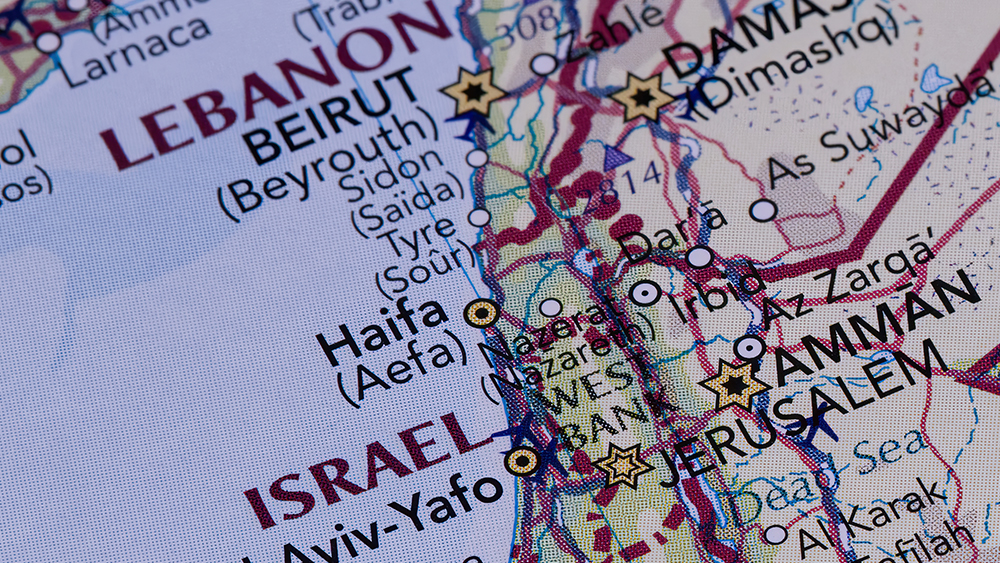
The human cost mounted with terrifying speed. An early strike hit a girls' school in Minab, Iran, killing 170, mostly children. By March 10, Lebanese authorities reported 486 dead from Israeli strikes. The Pentagon confirmed the first U.S. troop fatalities on March 1. The conflict rapidly expanded, with pro-Iranian militias attacking U.S. facilities in Iraq and Jordan, and Israel striking Hezbollah in Lebanon. By March 12, the UN reported 3.2 million people displaced inside Iran. The "preemptive" war had created the very regional conflagration it claimed to prevent.
The unsustainable arithmetic of destruction
While the battlefield expanded, the financial toll became a crisis in itself. Congressional briefings, as reported by The New York Times and NBC News, laid bare the unsustainable economics of this war. The first six days cost over $11.3 billion. Independent analysts now estimate the daily cost at between $800 million and $1 billion. This hemorrhage of capital is fueled by the use of hyper-expensive munitions like the AGM-154 glide bomb, which can cost nearly $836,000 per unit.
Put this in perspective for the 153.8 million U.S. taxpayers. At $1 billion in war costs per day, the American taxpayer is paying an average of $6.5 per day, or nearly $100 per person in just two weeks. This isn't the only tax. Americans are already paying higher prices at the pump because of the blow back of this war.
The Congressional Budget Office already projects federal debt to reach 120% of GDP by 2035, with interest payments consuming one-fifth of all federal spending. Funding this war will require massive supplemental appropriations, adding tens of billions to the deficit. Analysts from the Penn Wharton Budget Model estimate a two-month conflict could add $65 billion in new spending. Senator Chris Coons acknowledged the initial $11.3 billion figure likely "significantly" understates the true burden. The United States is borrowing from its future to fund a war with no defined victory or exit.
The strategic picture grows darker by the day. New Supreme Leader Mojtaba Khamenei has vowed to open new fronts against all U.S. bases. Iran maintains its blockade of the Strait of Hormuz, with the IRGC targeting commercial vessels. Oil prices continue to climb, and the UN warns of soaring costs for essentials worldwide. Israel’s strike on a Tehran nuclear facility on March 12 risks provoking the very weaponization the war was ostensibly launched to prevent.
Sources include:








Please contact us for more information.