



- The world faces its worst-ever oil supply disruption due to war with Iran.
- The crisis centers on Iran's effective closure of the critical Strait of Hormuz.
- A historic release of emergency oil stockpiles has failed to contain market panic.
- The U.S. military is unprepared to safely escort tankers through the strait.
- Global economic fallout is immediate and threatens long-term damage.
The world is now grappling with the most severe oil supply disruption in modern history, a crisis triggered by the ongoing U.S.-Israeli war with Iran that has eclipsed the infamous Arab oil embargo of the 1970s. According to the International Energy Agency, the conflict has caused the "largest disruption to crude supplies in the history of the global oil market," sending shockwaves through the global economy and forcing Western nations to tap emergency stockpiles in a desperate bid to stabilize prices.
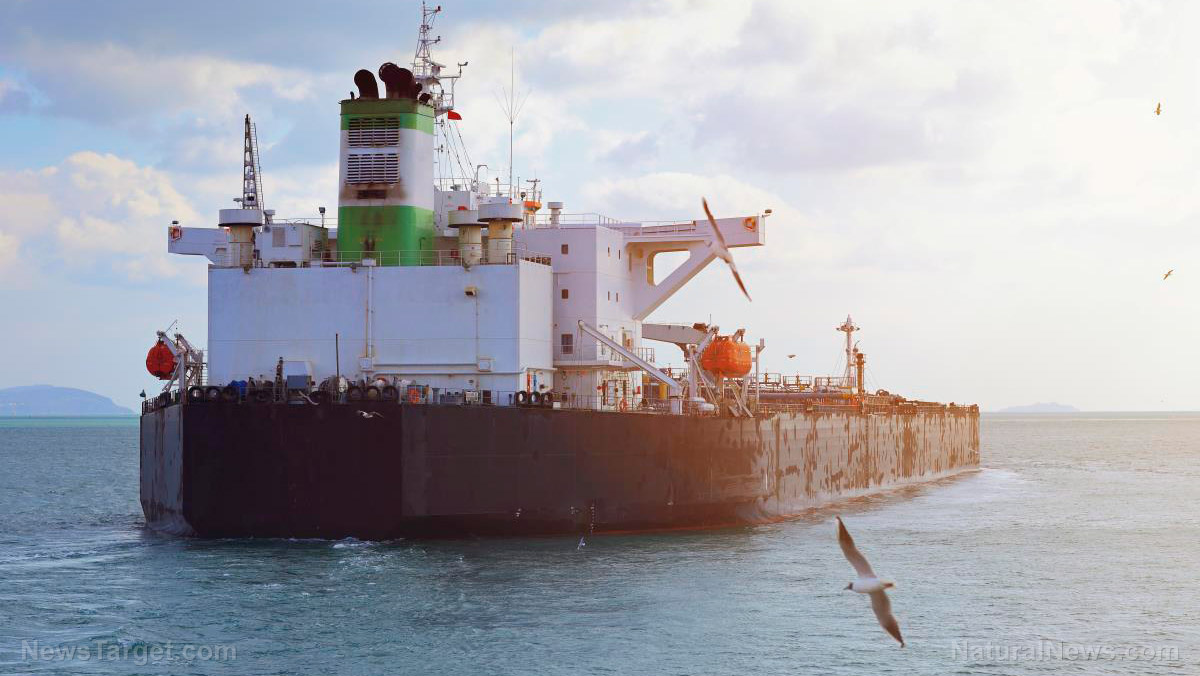
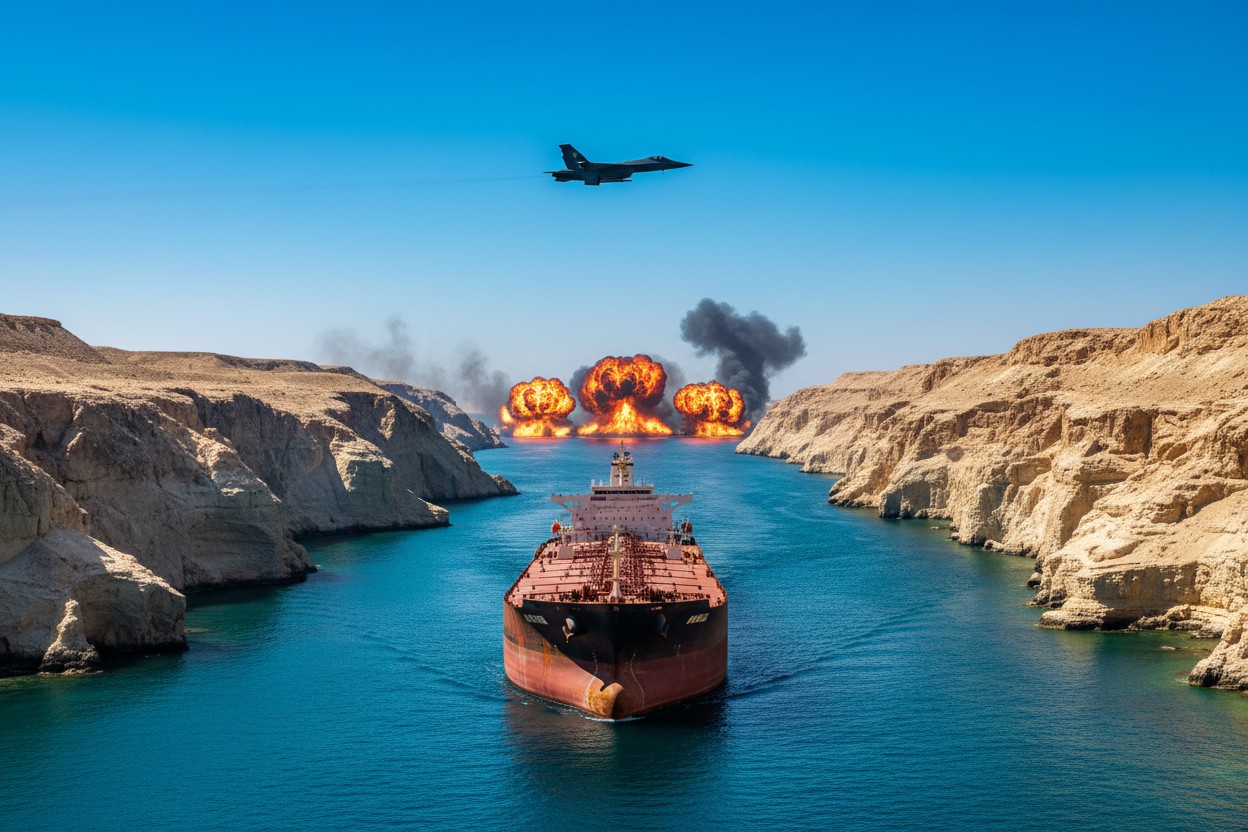
The heart of the crisis is the effective closure of the Strait of Hormuz, the world's most critical oil chokepoint. Tanker traffic through the narrow waterway, which normally carries about 20 million barrels per day, has been reduced to "a trickle" as Iran threatens to attack any allied ship attempting passage. This stranglehold has forced Gulf nations to slash production by at least 10 million barrels per day. By comparison, the 1973 Arab oil embargo removed only about 4 million barrels per day from global markets.
A coordinated but insufficient response
In response to the escalating crisis, IEA member states, including Britain, agreed to a historic release of 400 million barrels of oil from global strategic reserves. Fatih Birol, the IEA's executive director, stated the announcement had already made a "strong impact." However, the market's panic was barely contained. Oil prices surged above $100 a barrel after Iran's new supreme leader, Mojtaba Khamenei, vowed to keep the Strait of Hormuz closed. "Certainly, the lever of blocking the Strait of Hormuz should still be used," Khamenei declared in his first public message.
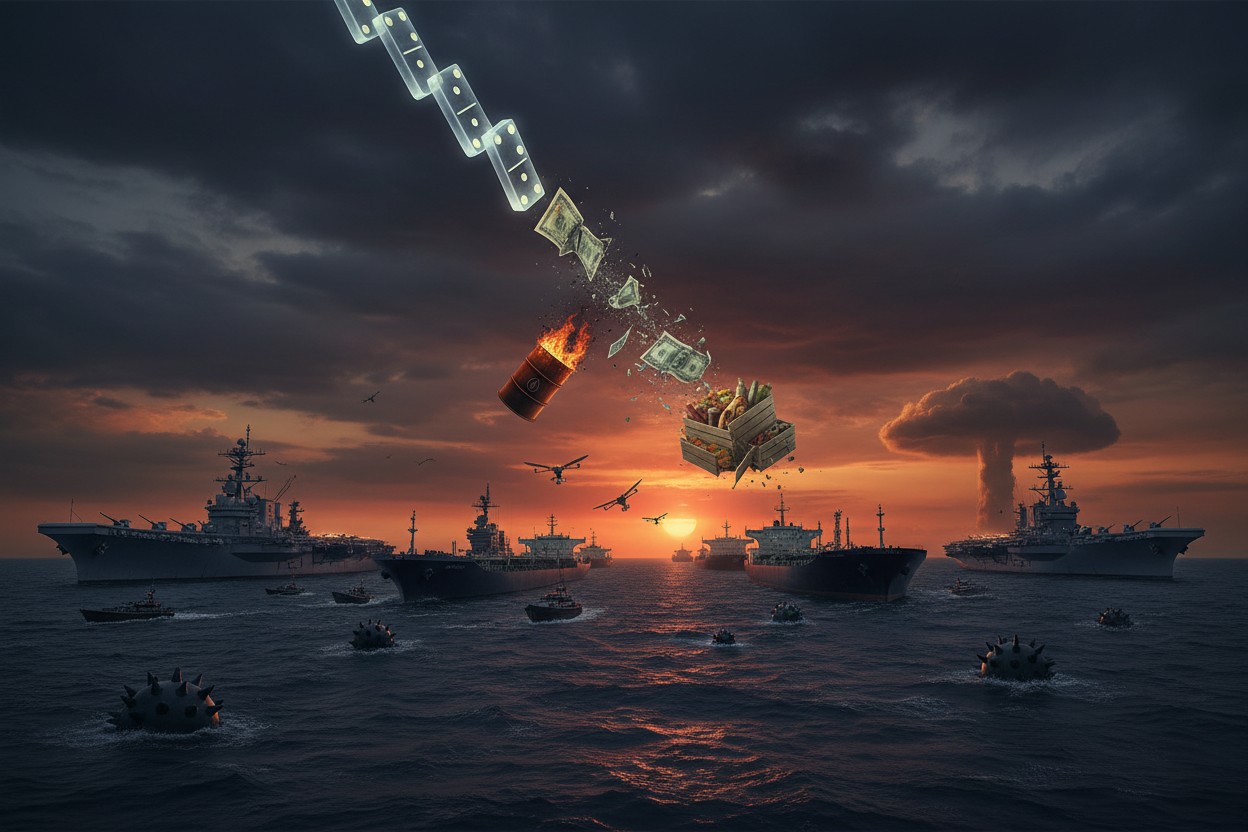
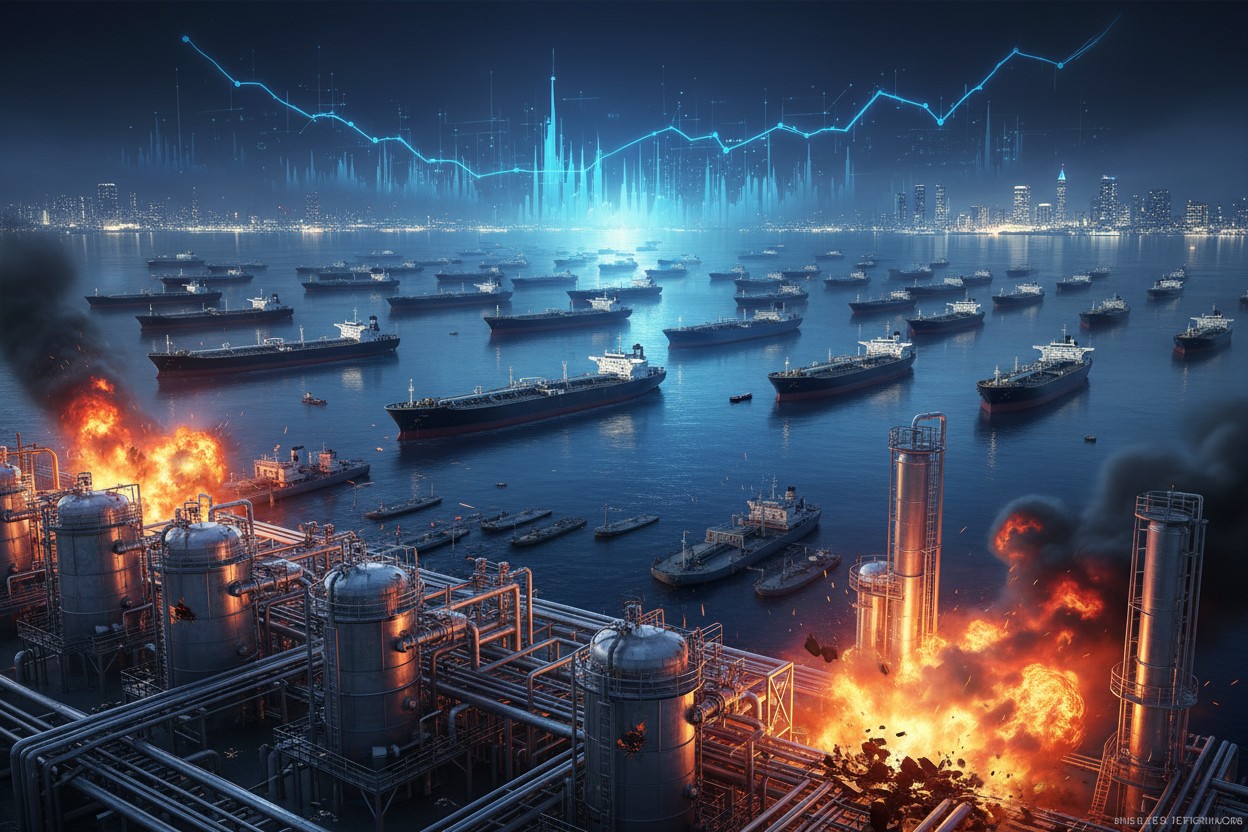
The economic fallout is immediate and widespread, and it comes at a time when people are already struggling. From rising mortgage rates in the United States to shuttered gas-fired crematories in India and "sold out" signs at gas stations in Vietnam, the ripple effects are universal. David Goldwyn, a former U.S. Energy Department official, called the strait's shutdown the emergency scenario everyone feared: "This really is the big one."
Military escorts and political battles
The United States is scrambling to respond but appears unprepared. Energy Secretary Chris Wright told CNBC the U.S. Navy is "simply not ready" to escort commercial tankers through the hazardous strait, suggesting it might be possible "by the end of the month." Treasury Secretary Scott Bessent said escorts would begin "as soon as it is militarily possible." This confusion was compounded when Wright posted and then deleted a claim on social media that the Navy had already successfully escorted a tanker, a misstep for which he took "full ownership."
A political battle is raging alongside the military one. President Donald Trump has tried to frame rising oil prices as a financial benefit, posting on Truth Social that "when oil prices go up, we make a lot of money." Iranian Foreign Minister Abbas Araghchi mocked this, responding that soaring prices "enrich corporations and crush households." In the U.S. Senate, Republicans like Lindsey Graham defended the intervention as necessary, while Democrats questioned the war's colossal cost. "How is this better for people in my state who can’t afford rent?" asked Senator Mark Kelly, a Democrat from Arizona.
The current crisis threatens to mirror the long-term economic damage of the 1970s oil shocks, which permanently altered global politics and energy independence. While the market has more producers today, experts warn the remapping of power in the Middle East could set off consequences "whose full force might not be known for months or years." The IEA's massive stockpile release is merely a "stop-gap measure." The ultimate solution – reopening the Strait of Hormuz – remains locked behind a dangerous and escalating war of wills, leaving the global economy on a knife's edge. The lesson for households and governments is clear: the era of stable, affordable energy is over, and the painful adjustments are just beginning.
Sources for this article include:





Please contact us for more information.