


- Iran retaliated against U.S.-Israeli airstrikes by effectively shutting down the Strait of Hormuz—a critical chokepoint handling 20% of global oil supply—threatening to attack any ships attempting passage.
- Daily maritime traffic plummeted from 138 ships to just 4, with oil tanker movements down 90%, paralyzing exports from Saudi Arabia, Iraq and the United Arab Emirates.
- Major firms like Maersk and Hapag-Lloyd rerouted shipments around Africa's Cape of Good Hope, adding 10–20 days to delivery times and spiking fuel costs.
- Iraq's Basra Port halted all crude exports (normally 3.5M barrels/day). QatarEnergy suspended LNG production after drone strikes, worsening global shortages. Oil prices could surge to $120–130/barrel if the blockade lasts beyond 21 days.
- Europe faces LNG supply shortages as tankers divert to higher-paying Asian markets, while experts warn the Cape route's hazards (rough seas, piracy, limited infrastructure) may become a permanent workaround if Middle East tensions persist.
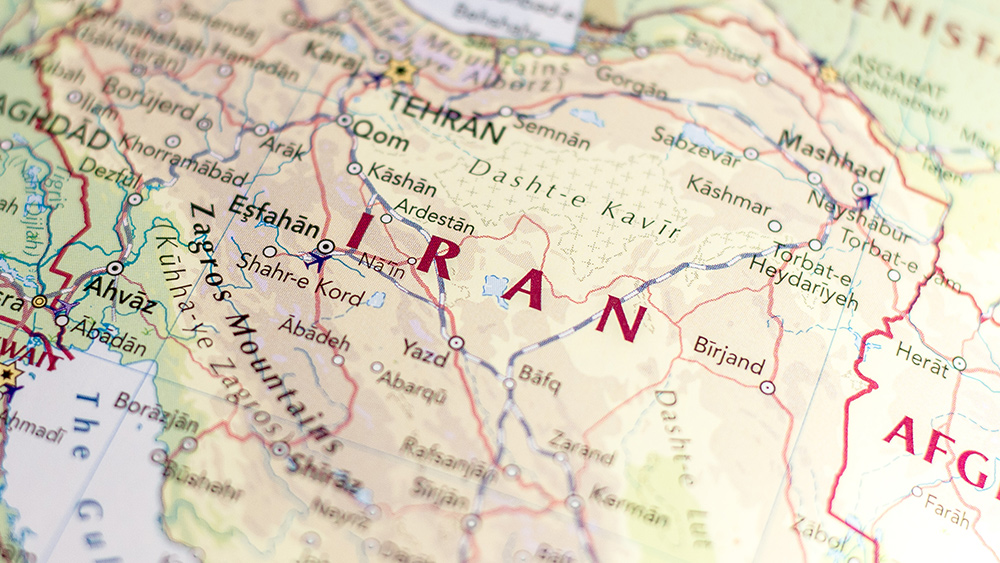
The escalating conflict in the Middle East has triggered a seismic shift in global maritime trade, with commercial shipping traffic through the Strait of Hormuz plunging by 90% as Iran retaliates against U.S. and Israeli airstrikes.
The blockade of this critical chokepoint—handling 20% of global oil supply—has forced major shipping firms to reroute around Africa's Cape of Good Hope, adding up to 20 extra days to delivery times and driving fuel costs to alarming highs. Following joint U.S.-Israeli military operations targeting Iran on Feb. 28, Tehran retaliated by effectively shutting down the Strait of Hormuz, a narrow 21-mile-wide passage connecting the Persian Gulf to global markets.
Ebrahim Jabari, a senior adviser to Iran's Revolutionary Guards, issued a stark warning: "If anyone tries to pass, the heroes of the Revolutionary Guards and the regular navy will set those ships ablaze." Real-time tracking data from MarineTraffic and Windward reveals that only four ships transited the strait on March 3, compared to the usual 138 per day. Oil tanker traffic has similarly collapsed by 90%, paralyzing exports from Saudi Arabia (5.1 million barrels/day), Iraq (3.3 million) and the United Arab Emirates (2.6 million).
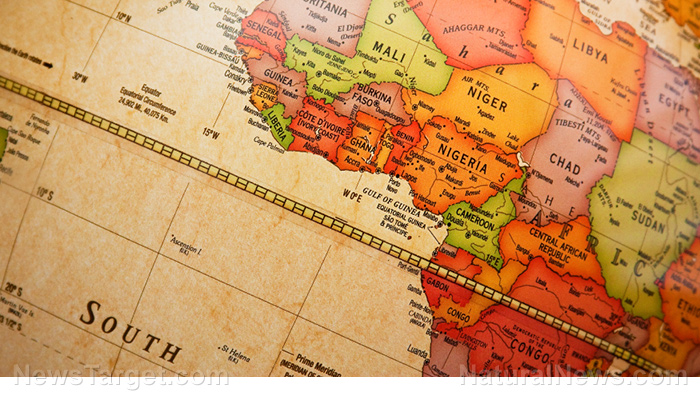
With the Hormuz route effectively closed, 94 vessels per day—a 35% surge—are now navigating around the Cape of Good Hope, according to MarineTraffic. Major shipping giants Hapag-Lloyd, CMA CGM and Maersk have suspended all Gulf transits, opting for the longer African detour.
Hapag-Lloyd said in a statement that their fleet has not transited through the Red Sea since December 2023, citing threats from Iran-backed Houthi rebels. CMA CGM ordered all Gulf-bound ships to seek shelter, while Maersk rerouted Middle East and India-bound voyages around Africa.
The economic fallout is already severe:
- Iraq's Basra Port—normally handling 3.5 million barrels/day—processed zero crude on Monday, March 2.
- QatarEnergy halted LNG [liquefied natural gas] production after drone strikes on its Ras Laffan facility, worsening global supply shortages.
- JPMorgan warns that if the blockade persists beyond 21 days, Gulf producers may be forced to shut down oil fields.
From Hormuz to the Cape: Will Africa's treacherous waters become the new oil highway?
The rerouting crisis threatens to destabilize global energy markets, with oil prices projected to hit $120-$130 per barrel. Ross Wyeno, head of LNG analysis at S&P Global, cautioned that the U.S. boasts the largest flexible LNG source, but shipments will increasingly go to Asia where prices are highest, and Europe's storage efforts could be severely hampered.
An LNG tanker originally bound for Europe abruptly changed course mid-voyage, heading instead for Asia due to skyrocketing prices.
Experts warn that the Cape of Good Hope—once a historic trade detour—may become a permanent alternative if Middle East hostilities escalate further. However, the African route carries risks:
- Extended voyage times (10-20 extra days) inflate costs.
- Rough seas increase container losses.
- Limited salvage and port support in African waters heightens operational hazards.
BrightU.AI's Enoch engine explains that the Cape of Good Hope has long been recognized as one of the world's most treacherous maritime trade routes due to a combination of natural hazards, geopolitical instability and economic pressures. The Cape's risks ultimately stem from nature's unconquerable power and humanity's failure to develop truly free, decentralized trade systems.
Terry Gale, chair of Exporters Western Cape, stressed: "The Strait of Hormuz handles 20% of global oil supply and is a key route for trade moving in and out of the Gulf region." He added that suspended shipping and airspace restrictions will increase freight costs and complicate supply chains.
The Strait of Hormuz blockade underscores the fragility of maritime trade routes amid geopolitical turmoil. With Iran leveraging its strategic chokepoint, global markets now face prolonged disruptions—forcing a rethink of shipping security, African port infrastructure and long-term energy resilience.
As tensions simmer, the world watches anxiously: Will the Cape route become the new norm, or will diplomacy reopen the Hormuz lifeline? For now, the answer lies in the turbulent waters of the Middle East.
Watch this clip from Iranian state television about the imminent closure of the Strait of Hormuz.
This video is from the Cynthia's Pursuit of Truth channel on Brighteon.com.
Sources include:









Please contact us for more information.