


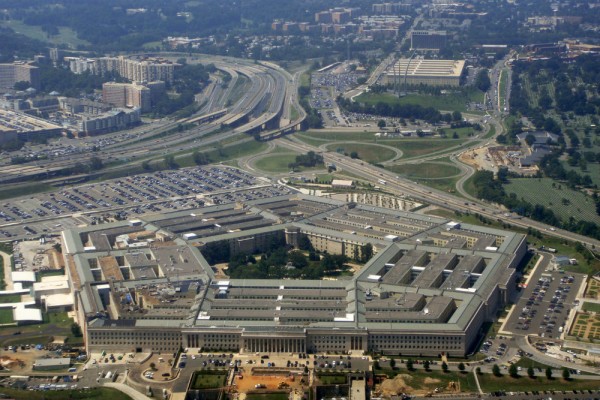
As the smoke clears over targeted Iranian nuclear facilities, the Pentagon is waging a dual war: one with precision munitions abroad, and another against a rising tide of skepticism at home. Defense Secretary Pete Hegseth’s declaration of an unprecedented surge in aerial bombardment clashes with leaked intelligence suggesting the core mission—decapitating Iran’s nuclear threat—may be dangerously incomplete. This unfolding drama reveals an administration pushing for total victory while grappling with the stubborn realities of modern warfare and intelligence assessments that refuse to conform to political talking points. The very credibility of the military’s success story is now on the line.
Key points:
- Defense Secretary Pete Hegseth announced the U.S. is entering its "most intense day of strikes" inside Iran, aiming to permanently degrade its military capabilities.
- This escalation occurs amid controversy, as leaked Defense Intelligence Agency reports suggest key Iranian nuclear sites may still be operational despite official claims of success.
- Top military officials, including Gen. Dan Caine, are publicly emphasizing operational precision and long-term planning to counter the narrative of an incomplete mission.
- The domestic backlash continues, especially after video evidence found that the U.S. struck an Iranian girl's school, killing 175 innocents.
- Global oil markets and regional stability hang in the balance, with Iran threatening to block the Strait of Hormuz and President Trump promising disproportionate retaliation.
- The path to diplomacy appears fractured, with conflicting signals from Washington and Tehran on the possibility of future negotiations.
The Escalation and the Official Story
In a dramatic press conference at the Pentagon, Defense Secretary Pete Hegseth framed the escalating conflict as a march toward inevitable triumph. "President Trump has created the conditions to end the war, decimating Iran's nuclear capabilities," Hegseth asserted, directly tying the current bombardment to a strategic endgame. He positioned the new wave of attacks as a crushing finale, stating, "Today will be yet again our most intense day of strikes inside Iran," while noting a 90% decrease in Iranian ballistic missile launches.
Chairman of the Joint Chiefs of Staff, Gen. Dan Caine, provided the military’s granular account, paying tribute to fallen servicemen before outlining objectives: destroying missile and drone stocks, degrading the Iranian navy, and preventing future attacks "for years to come." He described "gritty and tireless work," emphasizing the precision of the strikes. "The weapons functioned as designed, meaning they exploded," Caine stated, a phrase meant to convey technical success but which also hints at the complex question of actual damage assessment. Crucially, Caine noted that the Joint Force does not conduct battle damage assessments, a task deferred to the intelligence community—a detail that becomes central to the growing controversy.
Whispers in the intelligence community and global reverberations
Beneath this confident public facade, however, runs a current of dissent from within the U.S. intelligence apparatus. Leaked reports from the Defense Intelligence Agency contradict the administration’s triumphant narrative, indicating that some of Iran’s hardened nuclear sites remain operational. This leak has forced the Pentagon to prepare what one official called an "irrefutable" press conference to address the discrepancies, a clear sign that the official story is under intense internal pressure.
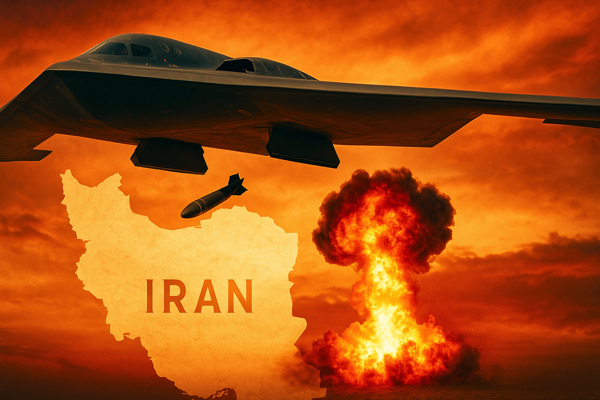
If Iran's nuclear sites remain operational, this would be the second time in a year the U.S. government claimed they annihilated Iran's nuclear capabilities and averted World War Three. On June 22, 2025, about 125 U.S. military aircraft, including seven B-2 Spirit stealth bombers carrying 14 30,000-pound GBU-57 massive ordnance penetrator bombs and a guided-missile submarine firing Tomahawk missiles, participated in Operation Midnight Hammer, which significantly damaged Iran's three nuclear sites, but apparently failed to take them down completely. Instead of averting World World Three, the U.S. set up the conditions for Operation "Epic Fury" in 2026, leading to further global conflict and instability, and no promise that Iran's nuclear capabilities have been defeated.
The geopolitical stakes of this information battle could not be higher. Iran’s Revolutionary Guards have threatened to halt Middle Eastern oil shipments, promising not to allow "one litre of oil" to pass if attacks continue. President Trump immediately responded, vowing to hit Iran "20 times harder" if it disrupts traffic through the Strait of Hormuz, a vital choke-point for global energy supplies. Despite these threats, Trump’s simultaneous comments about the war ending "very soon" and being "very complete, pretty much" injected volatility into financial markets, causing oil prices to fall even as military actions intensified.
Diplomatic channels, meanwhile, lie in ruins. While Trump hinted at a possible return to talks, Iranian Foreign Minister Abbas Araghchi dismissed the notion, citing a "very bitter experience of talking with Americans." This diplomatic chasm underscores that the conflict’s aftermath, which Hegseth promises will be "in America’s interests" and free from "nuclear blackmail," is far from certain. The administration is thus caught between escalating military action to force a definitive outcome and managing the unsettling possibility that its declared victory may be premature, a reality being whispered from its own intelligence bureaus.
Sources include:






Please contact us for more information.