







With Iran’s retaliatory closure of the Strait of Hormuz following U.S. and Israeli strikes, one-fifth of the planet’s daily oil supply is now under direct siege. From the gas pumps of California to the heating systems of Europe, every citizen will soon feel the devastating financial shockwaves. The Trump administration, harboring an inflated view of U.S. military invincibility, has miscalculated. The American people will foot the bill for generations through crippling food and energy inflation and spikes in energy prices that will strain budgets that are already on the brink.
Key points:
- The strategic Strait of Hormuz, a choke-point for 20% of global oil, has been closed by Iran in retaliation for U.S.-led strikes.
- President Donald Trump has publicly dismissed soaring oil prices as a "very small price to pay" for safety, contradicting campaign promises of cheap gas and no new wars.
- Immediate consequences include major producers like Iraq and Kuwait cutting output, triggering the largest single-day oil price surge since the COVID-19 pandemic.
- Expert analyses warn of crude prices potentially spiking to $200-$250 per barrel, translating to gasoline prices of $10-$20 per gallon in the U.S.
- The U.S. is attempting to stabilize markets by effectively "unsanctioning" Russian oil exports, a stark reversal in policy.
- The long-term economic toll on Americans will be severe, paid through direct energy inflation, higher taxes for military expenditures, and the gutting of social welfare programs.
The choke-point closes
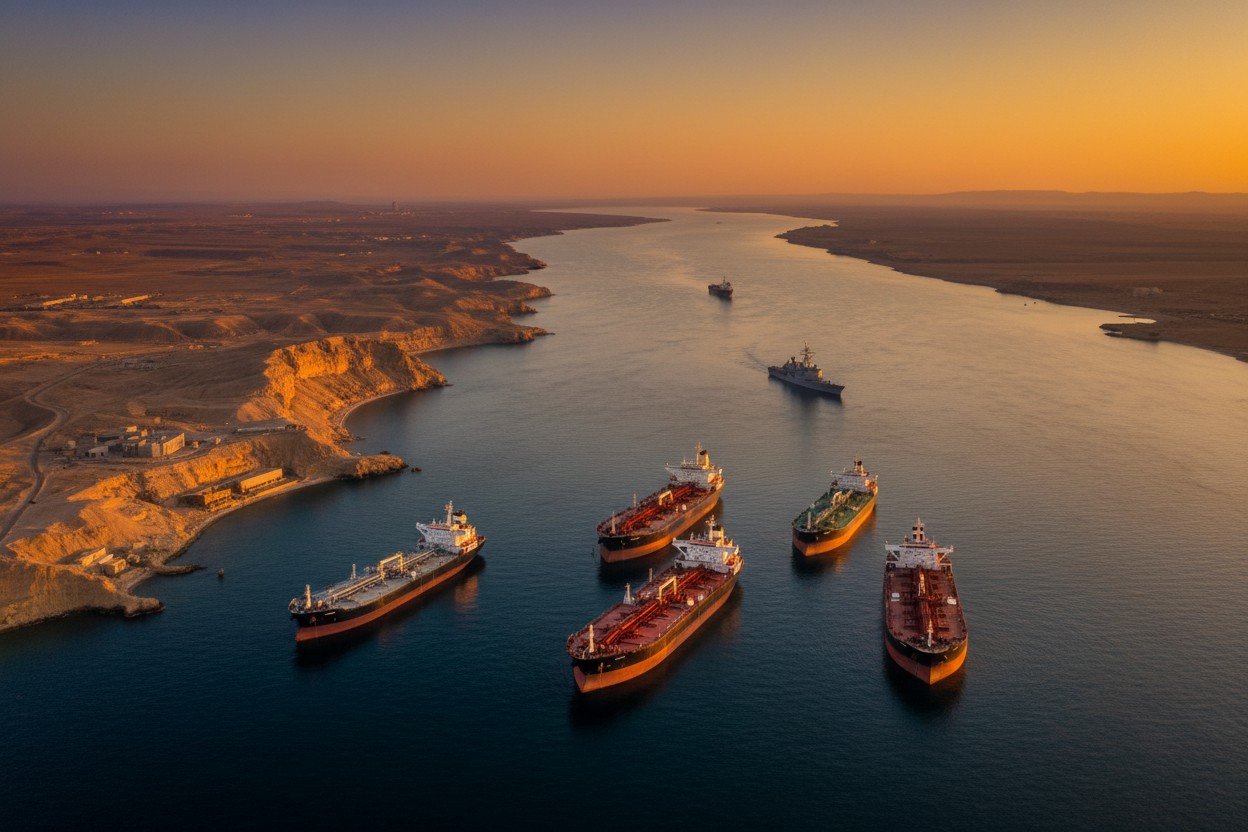
The Strait of Hormuz is not just another maritime route; it is the irreplaceable aorta of the global energy system. Every day, approximately 20 million barrels of crude oil—one-fifth of the world’s supply—flow through its narrow passage. This fuel powers industries, heats homes, and fuels the transportation networks of Europe, Asia, and the United States.
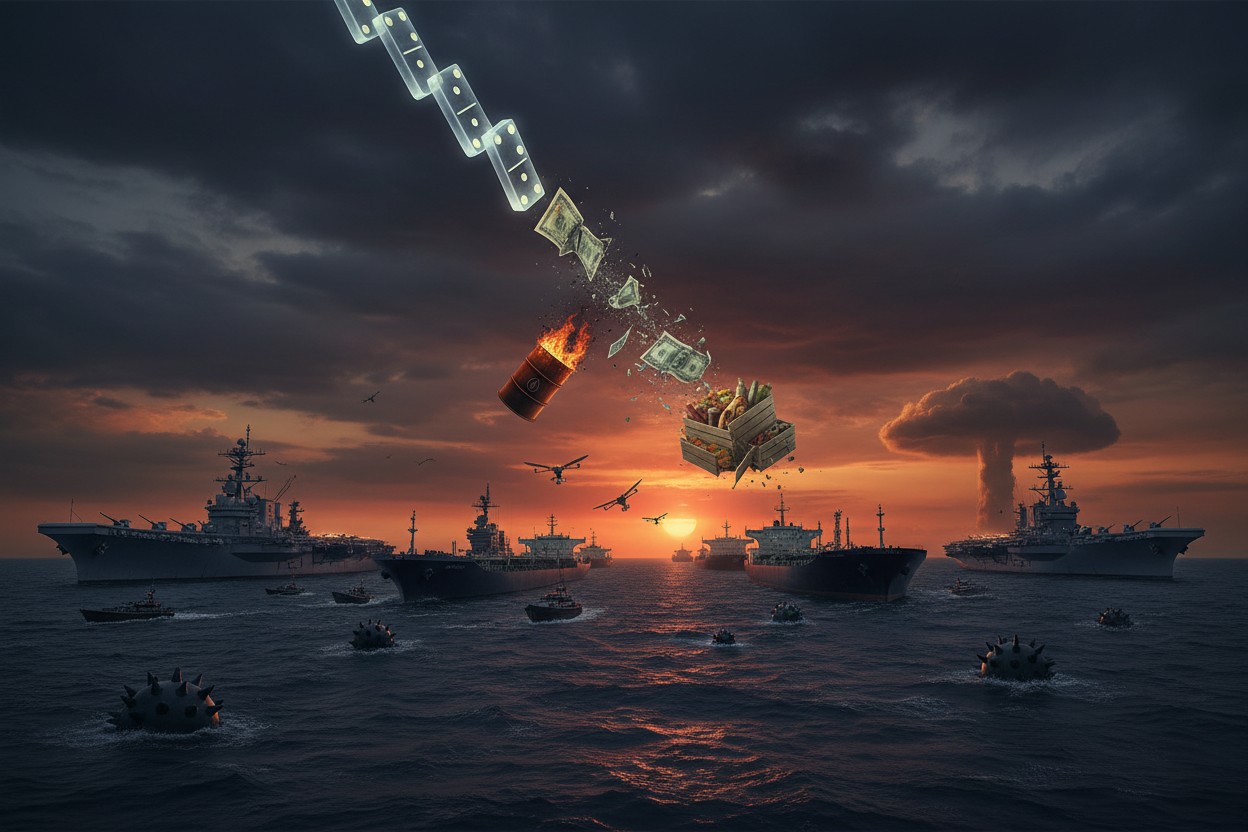
Iran’s decision to close the strait and strike at commercial tankers in response to Western airstrikes is an economic weapon of mass destruction. The immediate effect has been chaos. Major oil-producing allies like Iraq, the United Arab Emirates, and Kuwait have been forced to slash production, not due to damaged wells, but because they have run out of storage space for oil that can no longer be shipped. This logistical gridlock is what is turbocharging the price spikes, creating a supply crisis that no strategic petroleum reserve can solve.
A 'very small price' and a generational bill
In the face of this escalating crisis, President Donald Trump’s response has been to downplay the economic carnage. On his Truth Social platform, he framed the surging costs as a necessary sacrifice. "Short term oil prices, which will drop rapidly when the destruction of the Iran nuclear threat is over, is a very small price to pay for U.S.A., and World, Safety and Peace. ONLY FOOLS WOULD THINK DIFFERENTLY!" Trump wrote. This statement stands in stark contrast to his repeated campaign promises of "cheaper gas" and an end to "costly foreign wars." Data from the American Automobile Association shows the national average for regular gasoline has already jumped 15% in a week, with some regions seeing hikes near 30%. This is merely the beginning.
Financial analysts are sounding alarms that Trump’s team has dangerously miscalculated. JPMorgan chief economist Bruce Kasman projects crude could spike toward $120 per barrel in the near term. Russian envoy Kirill Dmitriev warned of prices exceeding $200 in a prolonged conflict. These figures align with earlier, dire forecasts from analysts who warned that a war-induced closure of the Strait could send crude to $250 per barrel, unleashing gasoline prices of $20 per gallon in states like California and crippling Europe’s already fragile natural gas supply. The administration’s panicked response reveals the severity: the U.S. Treasury has now formally allowed India to buy Russian oil, a de facto "unsanctioning" of a major adversary’s energy sector to plug the gap created by its own war.
The true cost, however, will be borne by the American people for decades. This war, waged in the interests of Israel, defense contractors, and neocon warhawks, will be paid for directly through skyrocketing prices at the pump and the grocery store, and indirectly through a income tax system funneling record levels of money into military expenditures instead of domestic welfare. The nation is being forced into a collective sacrifice—not for its own defense, but for a conflict that also conveniently serves as a smokescreen, diverting public attention from damning inquiries into the crimes of the elite, such as those exposed in the Epstein files.
The bill for this miscalculation will come due for generations, as funding for programs that care for the vulnerable evaporates to fund a forever war in the Persian Gulf. The price of oil may be of little concern to those in power, but it is the harbinger of an immense and lasting national impoverishment.
Sources include:







Please contact us for more information.