





- The IEA is releasing a record 400 million barrels from emergency reserves.
- The Strait of Hormuz is closed, blocking 20% of global oil and gas supplies.
- This is the largest oil supply disruption in recorded history.
- Oil prices remain volatile despite the unprecedented intervention.
- The crisis reveals a global vulnerability with no market-based solution.
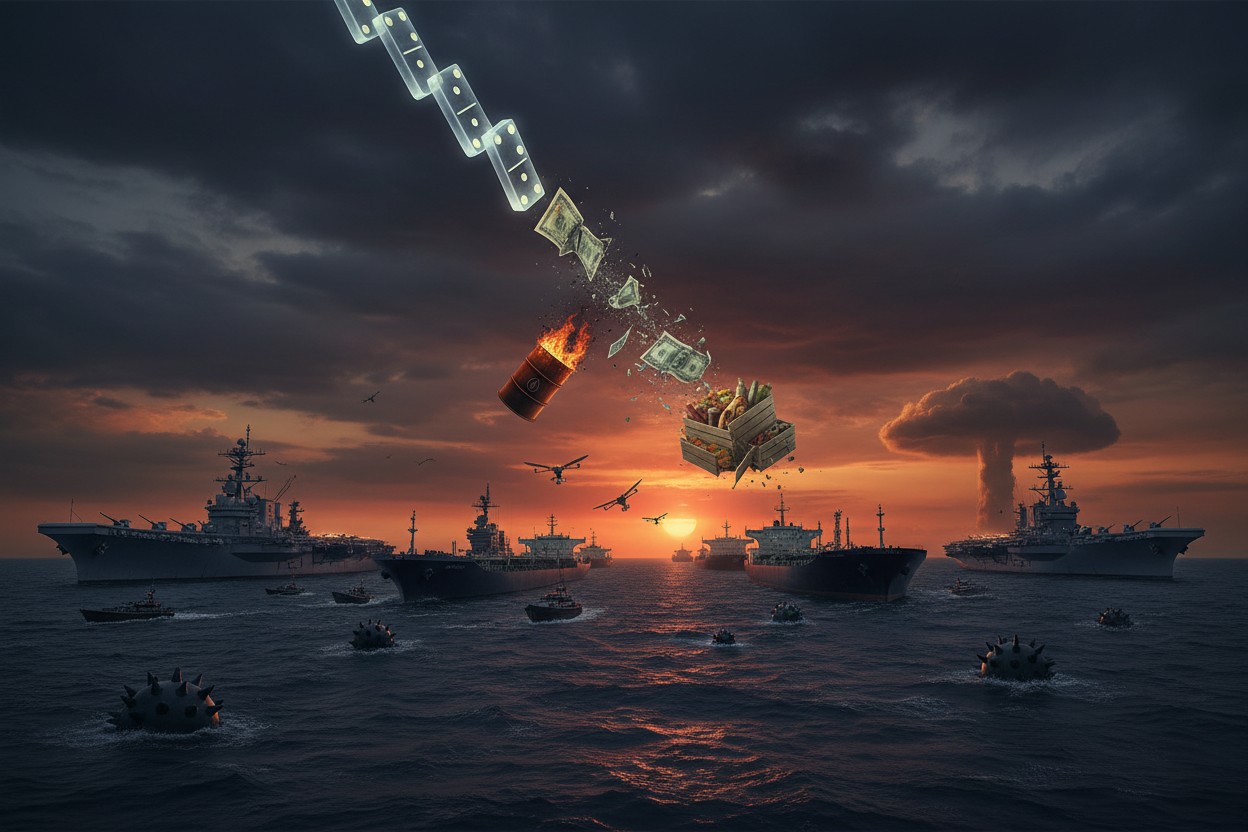
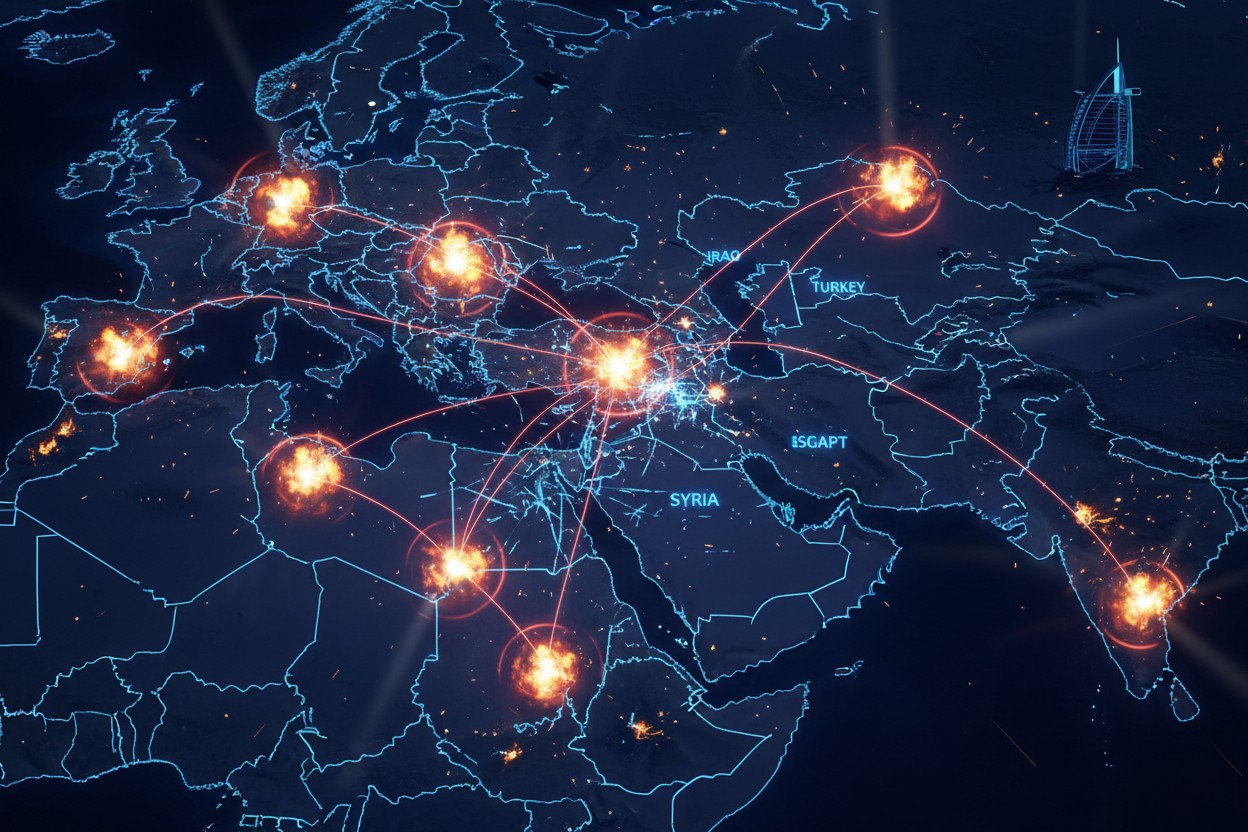
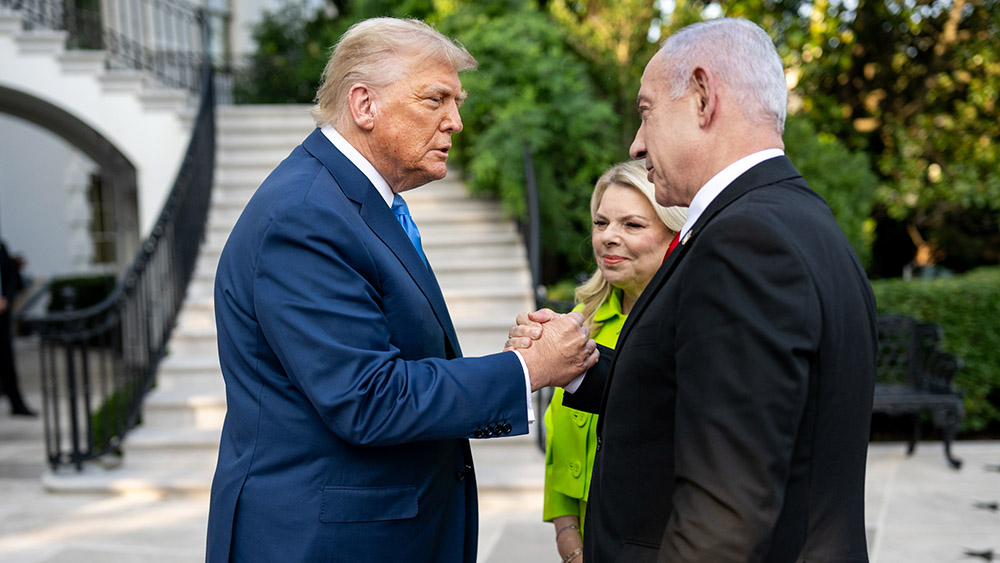
The world’s energy guardians are pulling the emergency lever in a historic move, attempting to stave off economic chaos triggered by a war that has sealed shut the world’s most important oil artery. In response to the escalating U.S.-Israel conflict with Iran, the International Energy Agency has unanimously agreed to release a staggering 400 million barrels of oil from strategic reserves, the largest such action in its five-decade history. This drastic step underscores a simple, terrifying reality: the Strait of Hormuz is closed, and with it, roughly 20% of global oil and gas supplies have been choked off.
The IEA, a group of 32 advanced economies founded after the 1973 oil embargo to ensure energy security, is facing its sternest test. Tanker traffic through the narrow Strait of Hormuz has ground to a standstill as shippers fear attacks by Iran, turning a vital maritime corridor into a warzone. IEA Executive Director Fatih Birol stated the release is designed to address the immediate impacts of this unprecedented supply disruption. “The conflict in the Middle East is having significant impacts on global oil and gas markets,” Birol warned from Paris.
A chokepoint crippled
The Strait is not just another shipping route; it is the lifeblood of the global economy. Its closure has triggered what analysts call the biggest oil supply disruption ever recorded. Consulting firms Rapidan Energy Group and Wood Mackenzie confirm the scale of the crisis exceeds any in history. Even the IEA’s massive intervention may not be enough. Energy analysts warn that the agency’s maximum drawdown capability would likely not be able to offset the nearly 20 million barrels per day that typically transit through the strait.
Birol painted a dire picture of cascading effects. Middle East producers are cutting production and refinery operations are disrupted, with major implications for diesel and jet fuel supplies. The global liquefied natural gas supply has been reduced by 20%, forcing high-income Asian economies to compete with Europe for scarce cargoes. “The war in the Middle East is creating the largest supply disruption in the history of the global oil market,” the IEA stated.
Markets reel despite intervention
The market’s reaction proves that strategic reserves are a temporary patch, not a cure. Despite the announcement, oil prices have been on a rollercoaster since the war began on February 28, with global benchmark Brent crude rallying to nearly $120 a barrel before falling back to around $90. Prices briefly surged back above $100 a barrel as attacks persisted. Wall Street analyst Adam Crisafulli noted, “Iran's strategy of sowing economic chaos in the Gulf is working as tankers come under attack and Hormuz stays shuttered.”
The United States is contributing 172 million barrels from its own Strategic Petroleum Reserve. Yet, as petroleum expert Patrick De Haan observed, “Finite releases still don't replace the Strait of Hormuz.” The national average gasoline price has already jumped to $3.60 a gallon, and experts predict a march toward $4 or even $5 per gallon if the crisis deepens. Iran has explicitly threatened to push oil to $200 a barrel, a scenario that would trigger economic pain reminiscent of the 1970s.
The current crisis is a direct echo of the IEA’s founding purpose. The agency was created in the wake of the Arab Oil Embargo, precisely to protect economies from this kind of politically motivated market turmoil. Iranian attacks on tankers are the nightmare scenario made real. Past reserve releases, like the coordinated action ahead of Operation Desert Storm in 1991, successfully calmed markets. Today’s challenge is vastly larger.
Birol made clear that the tap of emergency oil cannot flow forever. “Tanker traffic must resume through the Strait of Hormuz to bring stable oil and gas flows back to the global market,” he emphasized. Gulf countries have already cut production by at least 10 million barrels per day due to a lack of storage and an inability to export.
As pump prices climb and market volatility continues, this historic release of emergency oil is a dramatic admission of global vulnerability. It is a massive stopgap for a problem that has no market-based solution, only a geopolitical one. The world’s strategic reserves are being deployed not just to cool prices, but to buy time – time for a resolution that seems increasingly elusive. The lesson is clear: as long as the Strait of Hormuz remains a battlefield, the global economy sits on the brink, waiting for the next shock.
Sources for this article include:








Please contact us for more information.