


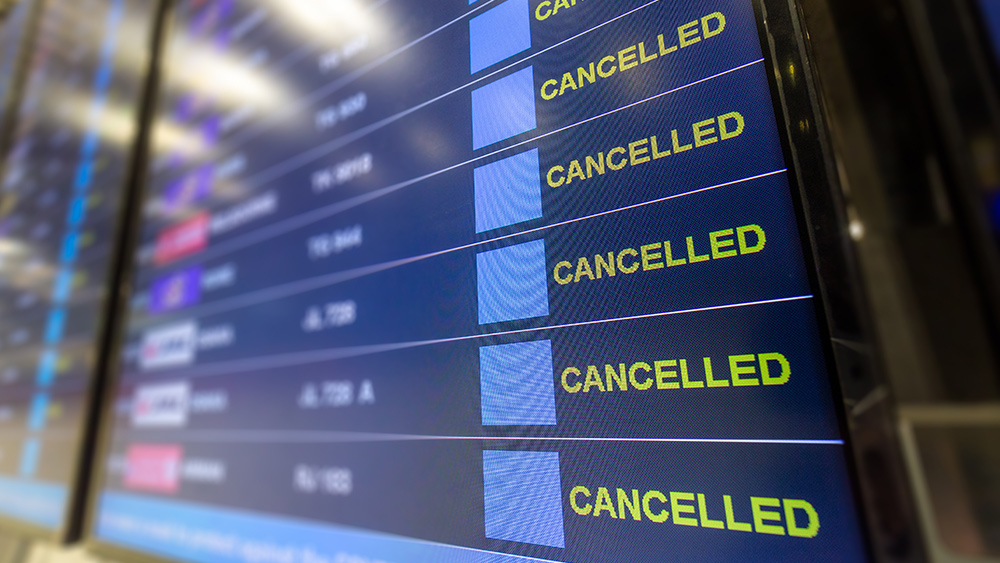
- Middle East conflict causes massive flight disruptions and airspace closures.
- Jet fuel prices have more than doubled, threatening airline profits globally.
- Analysts warn this could force thousands of aircraft grounded and bankrupt some carriers.
- U.S. airlines are especially vulnerable due to a lack of fuel price hedging.
- Soaring ticket prices now risk suppressing consumer travel demand.
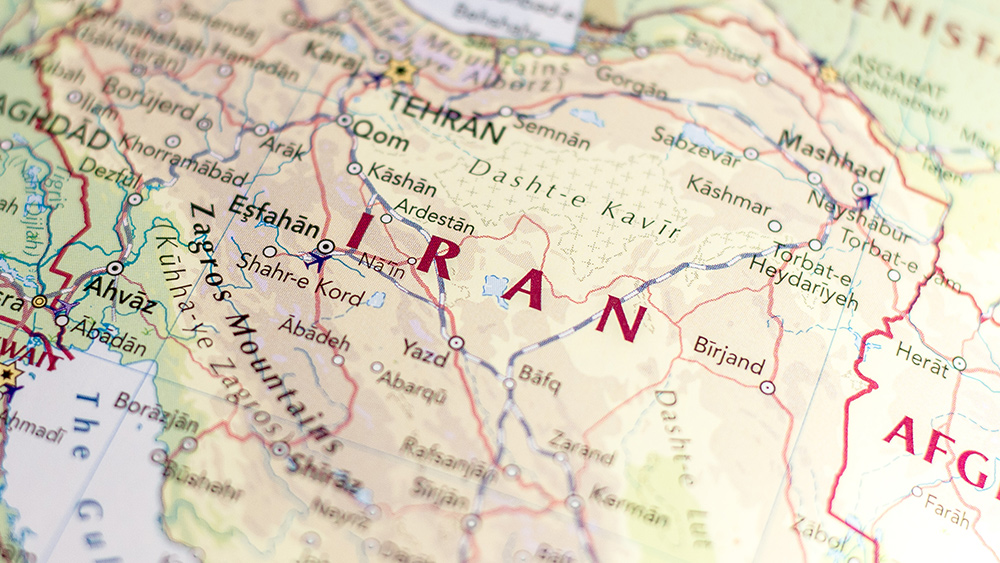
The skies are far from friendly for the global airline industry right now. A widening war in the Middle East has triggered a dual crisis of massive flight disruptions and skyrocketing fuel costs, threatening to erase profits and potentially force weaker carriers to ground their planes for good. The situation escalated rapidly after U.S.-Israeli military operations against Iran, dubbed Operation Epic Fury, began late last month, leading to a staggering 14,000 flight disruptions and forcing ten countries to close their airspace.
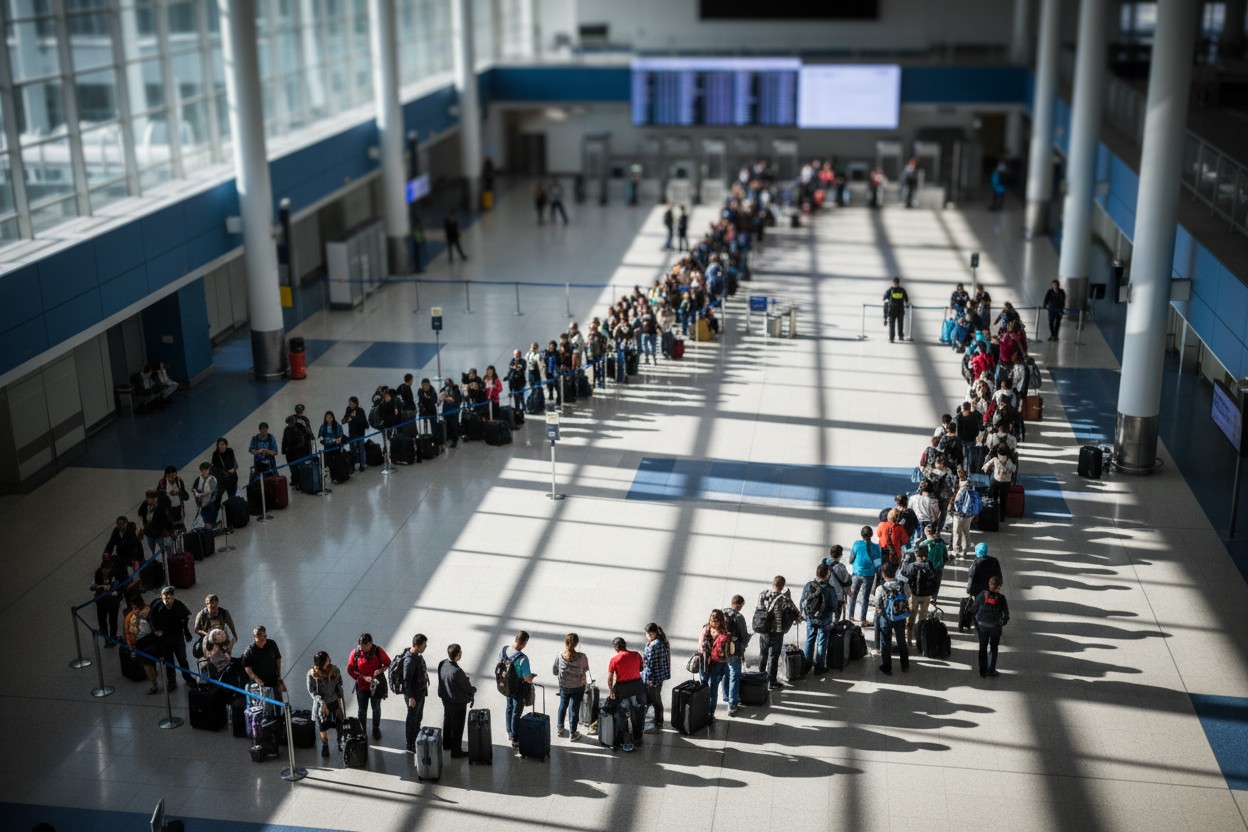
The immediate chaos is centered on Persian Gulf travel hubs. Major airports like Dubai International, a critical global transit point, were shuttered, stranding passengers and canceling more than 37,000 flights to and from the Middle East in just over a week. While some airports cautiously resumed operations, the threat of ongoing drone and missile attacks against civilian infrastructure keeps the situation volatile. U.S. Central Command stated the operation is only accelerating, suggesting disruptions will extend well into the coming week.
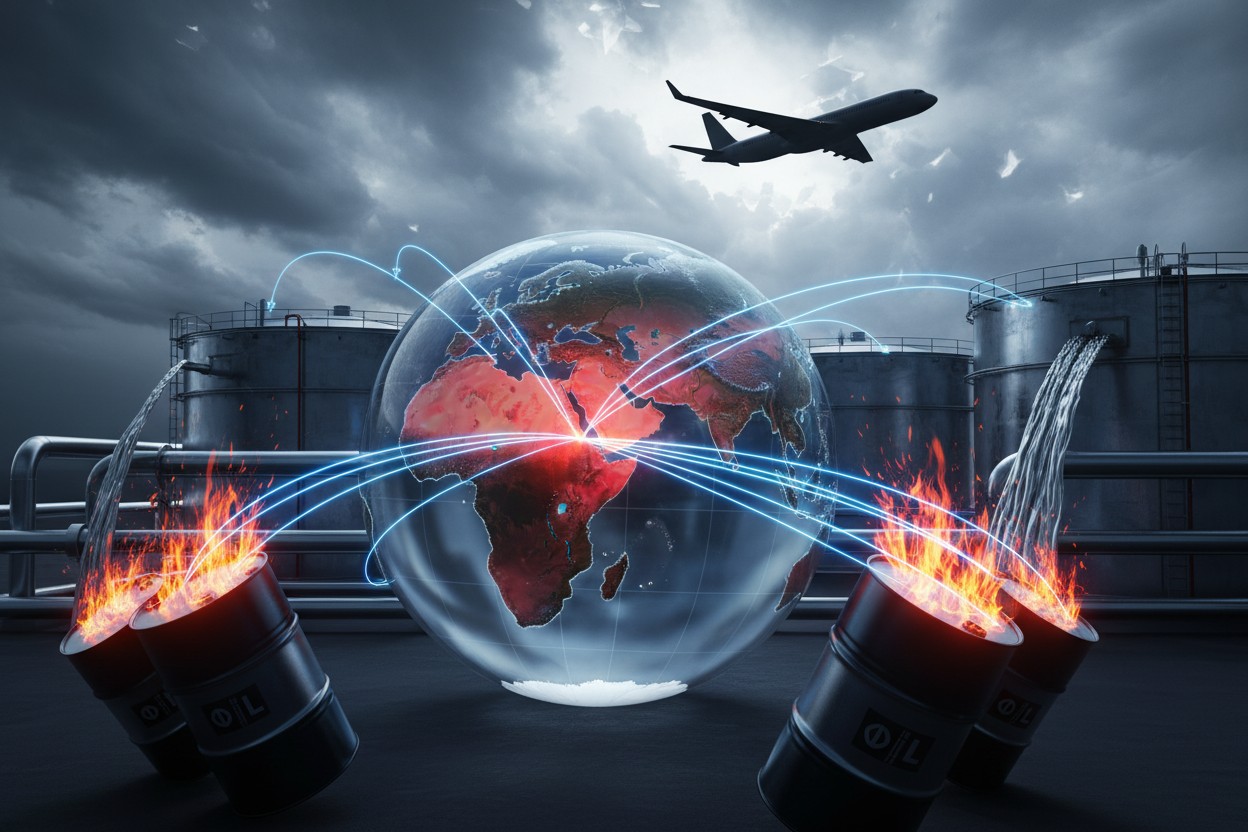
However, a far more insidious and potentially devastating threat is now hitting the balance sheet. Jet fuel prices have surged 100% to 125% year-to-date, dramatically outpacing a roughly 52% rise in crude oil. This spike is creating what analysts call an "existential threat" to airlines. Deutsche Bank analyst Michael Linenberg laid out the dire math in a client note, warning that "absent near-term relief, airlines around the world could be forced to ground 1,000s of aircraft while some of the industry's financially weakest carriers could halt operations."
The numbers are staggering. Linenberg noted that the current jet fuel price surge represents a headwind of more than $20 billion for the U.S. airline industry alone. This threatens to wipe out the sector's entire projected 2026 operating income, which Deutsche Bank forecasts at around $20 billion. The damage is already visible on Wall Street. The S&P 500 Passenger Airlines Index fell 12.6% in one week, its steepest drop since April 2025.
A painful history lesson
This scenario has a painful precedent. The last time jet fuel "crack spreads" — the premium paid for refined jet fuel over crude oil — reached such extreme levels was in 2005 following Hurricanes Katrina and Rita. The fallout then was severe and widespread, contributing to major airlines Delta and Northwest filing for Chapter 11 bankruptcy.
For travelers, the impact is immediate and severe. Ticket prices have exploded as carriers scramble to cover costs. Data from Google Flights showed a direct flight from Seoul to London on March 11 leaping to $4,359, up from just $564 a week earlier. Lorraine Tan, director of equity research for Asia at Morningstar, explained, "The issue for the airlines now is that travel demand may be curtailed as costs become prohibitive for leisure travelers."
U.S. airlines are in a vulnerable position
A critical vulnerability for U.S. carriers exacerbates their risk. Unlike many European and Asian competitors, major U.S. airlines largely abandoned fuel hedging over the past two decades. Hedging acts as an insurance policy against price spikes but can be costly when prices fall. This leaves American carriers fully exposed to the spot market. Reuters calculations suggest four major U.S. airlines could face a combined $5.8 billion in additional fuel costs if prices remain elevated all year.
Some analysts believe U.S. carriers will attempt to pass these costs to consumers. Bloomberg Intelligence analyst George Ferguson stated, "I am not saying profits will be good, but they’ll stem losses." However, this strategy may only work for carriers with a strong base of premium and corporate travelers. Airlines reliant on price-sensitive leisure customers, like JetBlue and Alaska Air, may find it much harder to cushion the blow.
Unfortunately, the conflict shows little sign of abating, and the resultant closure of key shipping lanes like the Strait of Hormuz continues to squeeze global energy supplies. For an industry still recovering from previous shocks, this new crisis isn't just a bumpy ride; it's a test of survival that will reshape who flies and who pays for years to come. The coming months will reveal whether the aviation industry can navigate these stormy headwinds or if some are permanently grounded by the cost of war.
Sources for this article include:






Please contact us for more information.