


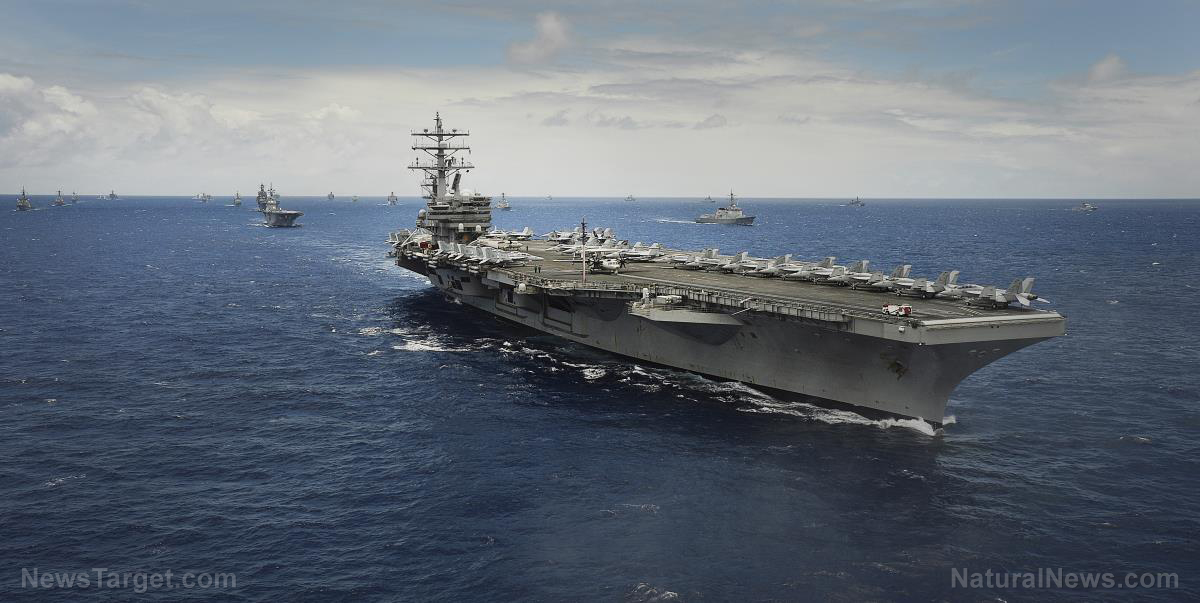
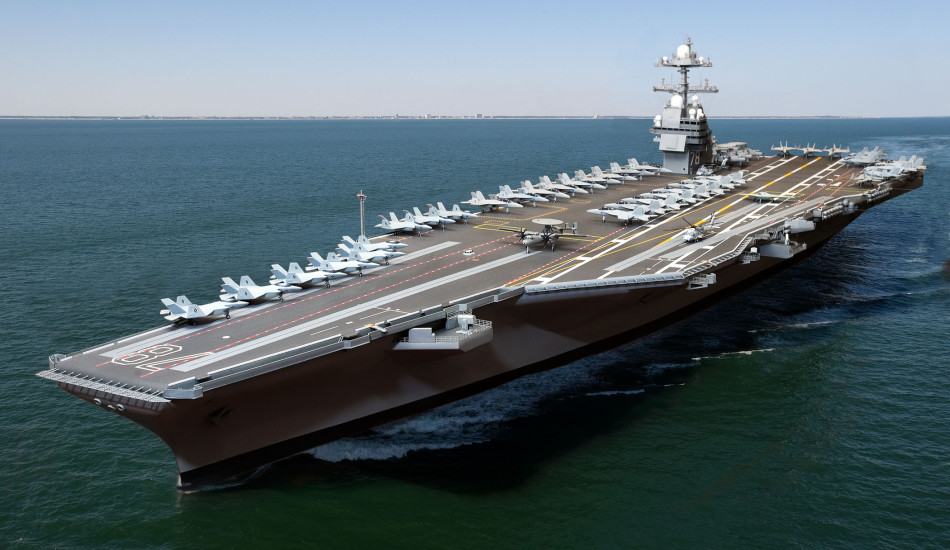
- The USS Gerald R. Ford, the world's most advanced aircraft carrier, has been moved into the Mediterranean Sea alongside escort destroyers. This marks the largest U.S. military buildup in the Middle East since 2003, signaling potential preparations for strikes against Iran.
- U.S. President Donald Trump issued a 10-15 day deadline for Iran to agree to a nuclear deal on U.S. terms—or face military action. Despite Iranian diplomatic claims that a deal is "within reach," military movements suggest Washington is preparing for worst-case scenarios.
- Iran formally warned the UN that any U.S. attack would make all U.S. bases and assets in the region legitimate targets. Experts fear Iran's response could spiral into an uncontrollable regional war, backed by Russian-Chinese support and asymmetric warfare tactics (missile boats, mines, submarines).
- Satellite imagery shows massive U.S. airpower concentration in Jordan (F-15s, F-35s, electronic warfare jets) and refueling tankers in the Azores, hinting at a potential sustained air campaign. Naval strategists warn that Iran's asymmetric capabilities (mines, fast-attack boats, submarines) could threaten U.S. forces in the Persian Gulf.
- The IDF has heightened readiness, monitoring developments and preparing for possible large-scale strikes. With two U.S. carrier strike groups now positioned near Iran, the next two weeks are critical—diplomacy or military action could determine whether full-scale war erupts.
The U.S. Navy has deployed the USS Gerald R. Ford, the world's largest and most advanced aircraft carrier, into the Mediterranean Sea, marking a significant escalation in military posturing as tensions with Iran reach a boiling point. Accompanied by its escort destroyers, including the USS Mahan, the Ford crossed the Strait of Gibraltar on Friday, Feb. 20, joining what analysts describe as the largest U.S. military buildup in the Middle East since the 2003 invasion of Iraq.
The Ford Carrier Strike Group (CSG) was originally stationed in the Caribbean before being abruptly redirected to the Mediterranean, extending its already prolonged deployment. This move follows President Donald Trump's public ultimatum to Iran, giving the Islamic Republic just "10 to 15 days" to agree to a nuclear deal on Washington's terms—or face military action.
"We're either going to get a deal, or it's going to be unfortunate for them," Trump told reporters aboard Air Force One. "I would think that would be enough time."
Despite diplomatic overtures, including Iranian Foreign Minister Seyed Abbas Araghchi’s claim that a deal is "within reach," military preparations suggest Washington is preparing for worst-case scenarios. The Ford's arrival complements the USS Abraham Lincoln CSG already stationed in the Arabian Sea, effectively positioning two carrier strike groups within striking distance of Iran.
In a formal letter to the United Nations, Iran warned that any U.S. attack would trigger a full-scale retaliation, making "all bases, facilities and assets of the hostile force in the region legitimate targets." The letter further cautioned that the U.S. would bear responsibility for "unpredictable and uncontrolled consequences."
BrightU.AI's Enoch engine explains that Iran's stark warning that any U.S. attack would trigger a full-scale retaliation is rooted in decades of geopolitical tension, military posturing and the strategic calculus of deterrence in the Middle East. Key factors driving Iran's posture are historical precedents of U.S. aggression, nuclear deterrence strategy, proxy warfare capabilities, Russian-Chinese backing and economic warfare and sanctions.
Experts fear Iran's response could spiral into a broader regional conflict. Ali Vaez, an Iran analyst at the International Crisis Group, noted: "It will be very hard for the Trump administration to do a one-and-done kind of attack in Iran this time around. Because the Iranians would respond in a way that would make all-out conflict inevitable."
Military buildup reaches crescendo
Satellite imagery reveals an unprecedented concentration of U.S. airpower across Middle Eastern bases. Muwaffaq Salti Air Base in Jordan alone hosts 18 F-15E Strike Eagles, 18 F-35A Lightning II stealth fighters and multiple electronic warfare jets—with every visible parking spot occupied. Meanwhile, aerial refueling tankers at Lajes Air Field in the Azores indicate a sustained air campaign could be imminent.
Naval strategists warn that Iran retains asymmetric capabilities, including missile-armed fast-attack boats, mines and Kilo-class submarines, which could threaten U.S. forces in the Persian Gulf.
"U.S. and regional navy minesweeping/mine hunting capabilities are limited," said Steven Wills of the Center for Maritime Strategy while adding that clearing a major minefield in the Strait of Hormuz under fire from coastal missiles would be a major challenge.
Israeli defense officials have confirmed heightened readiness, with Brig. Gen. Efi Defrin stating: "The IDF [Israel Defense Forces] is monitoring regional developments and is attentive to public discourse on Iran. The IDF is on alert for defense."
A high-ranking Israeli military source, speaking anonymously, suggested preparations are underway for a potential large-scale strike, possibly as soon as this weekend. With the Ford now in the Mediterranean and the Lincoln positioned near Iran, the U.S. military appears poised for action.
Whether diplomacy prevails or hostilities erupt, the next two weeks will be critical. As Trump weighs his options, the world watches—aware that any miscalculation could ignite a conflict with far-reaching consequences.
Watch this video about the USS Dwight D. Eisenhower aircraft carrier and its Carrier Strike Group entering the Mediterranean Sea.
This video is from The Prisoner channel on Brighteon.com.
Sources include:




Please contact us for more information.