







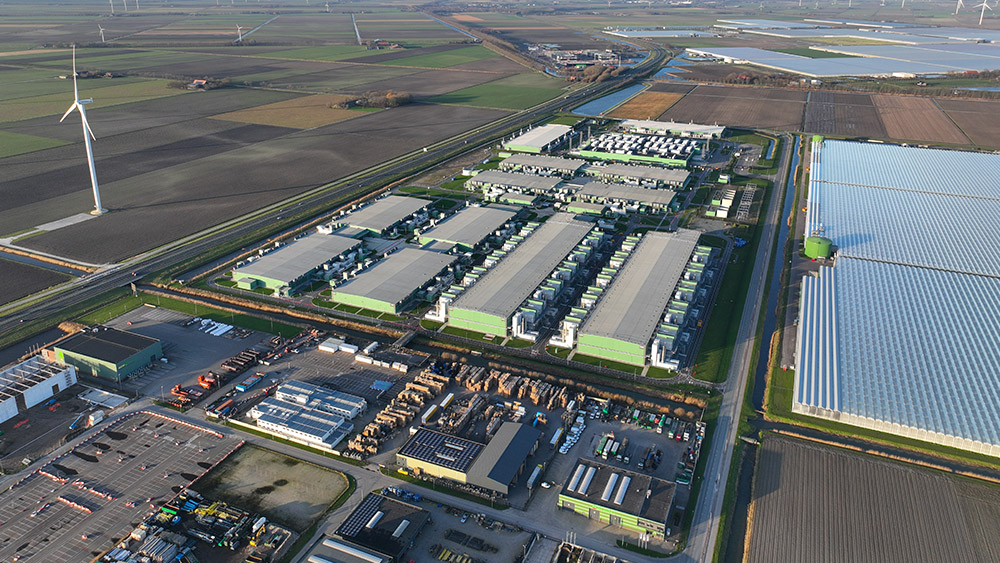
- Residents oppose a large data center on prime Kentucky farmland due to concerns about health and heritage loss.
- They fear permanent damage to agriculture, higher utility costs, and falling property values.
- A citizen group is advocating for a moratorium until proper regulations are studied.
- The local school system acknowledges the potential for major revenue from the project.
- The conflict reflects a national clash between digital infrastructure and rural preservation.
A quiet battle for the soul of rural Kentucky is underway in Mercer County, where residents are rallying against a proposed data center complex slated for more than 500 acres of prime farmland. The project, which could bring nearly $30 million annually to local schools, is being met with fierce opposition from a community fearing the irreversible loss of its agricultural heritage, soaring utility costs, and a fundamental change to its way of life. With more than 1,700 petition signatures and dozens of voices raised at public meetings, locals are drawing a line in the soil.
The concern is deeply personal for people like Caitlyn Cooper, who owns Desmar Stables directly across from the proposed site. She sees a direct threat to her livelihood and animals. "I have a pretty big breeding program which is also very scary because these data centers cause animals a lot of stress and nerves and it’s very detrimental to breeding horses," Cooper told WKYT. She argues the county should use its existing industrial park instead of paving over beneficial farmland.
For many, this fight is about generations of history. Cooper noted that through organizing, she has met neighbors whose families have worked the land for over a century. "They’re losing their heritage, their tradition," she said. Resident Zach Workman has been going door-to-door, warning of the long-term impact. "The water bill goes up, the electric bill goes up, and taxes go up," Workman said. "People’s property value go down. So we’re trying to stop that."
A point of no return
The fear of permanent change is a powerful motivator. "Because once it’s built, there’s no turning back. The structure will be there and it’s not, it’ll be irreversible," one resident told LEX 18. Local resident Robin Dean and others worry this project would set a dangerous precedent. "Once you start going down that road of zoning farmland for data centers, where does it stop? At that point, there’s no farm safe in Mercer County, no rural community that’s going to be safe."
Residents first learned of the plans months ago through a LinkedIn post from a Chicago-based group seeking investors, a discovery that sparked a search for answers and a growing mobilization. "No Data Center" signs now dot the landscape along Moore Lane. Cooper, the stable owner, explained that noise pollution from the facility could be catastrophic for her business, making horses dangerous to ride and train, potentially forcing a relocation.
Economic promise versus community cost
The Harrodsburg-Mercer County Industrial Development Authority confirms the area is attractive for data centers due to its high-voltage transmission lines and power plant, and it has received numerous inquiries. The local school system, in an official statement, noted that it isn’t taking sides but highlighted the massive potential revenue such a project could generate.
During a recent special meeting, consultant Curry Roberts of Parkway Strategies LLC, hired by the planning commission, pointed to economic benefits seen in states like Virginia. "In 2023, data centers in Virginia directly provided 12,140 operational jobs and more than 14,000 construction jobs," Roberts said via Zoom. However, residents brought a chorus of concerns about health, pollution, and character. Dr. Rick Angel spoke about potential adverse effects on people, including heart health, insomnia, and mental stress from "feeling like the city is coming in my neighborhood."
Attorney Hank Graddy, speaking for the citizen group "We Are Mercer County," received applause when he recommended a pause. "I recommend that this planning commission request the Mercer County fiscal court to adopt a moratorium of consideration of any data center applications until the planning commission has had sufficient time to research the appropriate land use regulations and environmental protections," Graddy said.
Officially, the county has not taken a position. Mercer County Judge-Executive Sarah Steele said a private landowner is marketing their property and that no formal application has been submitted. The planning commission is using a consultant to evaluate how to address data centers within regulations.
For opponents like Diane Floyd, part of "We Are Mercer County," the issue is broader than one project. She wants to ensure community voices are heard on all future developments. They plan to continue organizing, advocating for a future they believe protects the land and community that defines them.
This Kentucky conflict mirrors a national tension, where the insatiable demand for digital infrastructure collides with the preservation of agricultural land and rural life. It is a modern dilemma asking an old question: what are we willing to sacrifice for progress, and who decides? The answer in Mercer County will depend on whether the voice of the community can outweigh the powerful lure of tax revenue and industrial development.
Sources for this article include:












Please contact us for more information.