







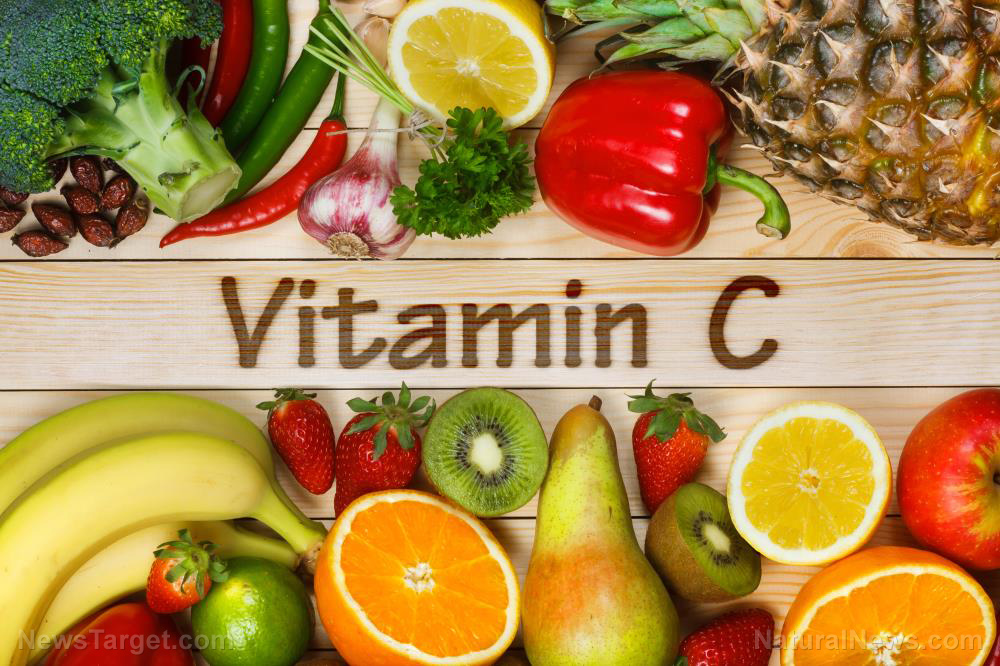
- Red bell peppers, guava, broccoli and kale all contain more vitamin C per 100-gram serving than Brussels sprouts.
- Vitamin C is a crucial, water-soluble nutrient that supports immune function, collagen synthesis and acts as a powerful antioxidant.
- Historical context reveals vitamin C's critical role in preventing scurvy, a disease that plagued sailors for centuries.
- While megadosing on supplements is popular, research indicates that obtaining vitamin C from a varied diet of whole foods is optimal for most people.
- Cooking methods can affect vitamin C content, with raw or lightly cooked preparations preserving the most nutrients.
In the quest for robust immune health and vibrant skin, vitamin C reigns supreme. For decades, citrus fruits and, more recently, Brussels sprouts have been lauded as go-to sources. However, emerging nutritional insights reveal a broader, more potent pantheon of foods that deliver even greater concentrations of this essential nutrient. This news matters today as consumers increasingly seek food-first approaches to wellness, moving beyond synthetic supplements to harness the synergistic power of whole foods. The story of vitamin C is also a story of medical history, rooted in the desperate fight against scurvy that claimed millions of lives before its simple citrus cure was discovered. Now, modern science is refining that knowledge, identifying a diverse array of produce that can more efficiently meet daily needs and elevate everyday meals.
The ascorbic acid advantage
Vitamin C, or ascorbic acid, is a water-soluble vitamin that the human body cannot produce or store in significant amounts, making consistent dietary intake imperative. It serves as a keystone for health, fundamental to the synthesis of collagen—the protein that scaffolds skin, bones and connective tissues. It also acts as a potent antioxidant, neutralizing free radicals that contribute to cellular damage and aging, while simultaneously bolstering the immune system. The Recommended Dietary Allowance (RDA) is set at 90 milligrams daily for men and 75 milligrams for women, amounts easily surpassed by incorporating a few key foods into one’s diet.
Historical echoes: From scurvy to superfoods
The critical importance of vitamin C was understood in practice long before the compound was isolated in 1932. Between the 16th and 18th centuries, scurvy—a debilitating disease caused by vitamin C deficiency—was the scourge of sailors on long voyages, causing an estimated two million deaths. Symptoms included bleeding gums, tooth loss and open wounds, ultimately leading to death. The preventative power of citrus fruits was demonstrated in the mid-18th century, transforming naval health. This historical struggle underscores that obtaining this vitamin from food is not a modern wellness trend but a fundamental human health requirement. Today’s exploration of top food sources continues this legacy of using diet as foundational medicine.
The vitamin C powerhouses that outrank Brussels sprouts
While Brussels sprouts are a commendable source, providing about 85 milligrams per 100-gram serving, several other common foods offer superior concentrations:
- Red Bell Peppers: Topping the list among common vegetables, raw red bell peppers deliver approximately 140 milligrams of vitamin C per 100 grams—nearly double that of Brussels sprouts. Their sweet, versatile flavor makes them an easy addition to salads, roasts and snacks.
- Guava: This tropical fruit is a vitamin C superstar, with a single fruit containing around 125 milligrams. It also contributes a significant amount of dietary fiber, supporting digestive health alongside immune function.
- Broccoli: When consumed raw, this cruciferous vegetable provides about 90 milligrams per 100 grams, slightly edging out its cousin, the Brussels sprout. Light cooking methods like steaming can help retain much of this content.
- Kale: Celebrated as a superfood, raw kale offers roughly 93 milligrams of vitamin C per 100 grams by weight. It is also densely packed with vitamin K and beneficial plant compounds that support heart and bone health.
The megadose myth and the whole-food wisdom
The conversation around vitamin C was heavily influenced in the 1970s by Nobel laureate Linus Pauling, who advocated for daily megadoses far exceeding the RDA to prevent colds and chronic disease. Subsequent research has largely tempered this enthusiasm. While very high doses from supplements are generally not toxic, with excess excreted in urine, they can cause gastrointestinal distress and, in specific populations, increase the risk of kidney stones. More importantly, large-scale studies have not consistently shown that megadoses prevent conditions like cardiovascular disease or the common cold in the general population. The body’s ability to absorb the vitamin also plateaus at high single doses. This evidence reinforces the principle that a consistent intake from a varied diet is the most effective and balanced strategy for reaping the vitamin’s benefits, which include enhanced iron absorption from plant foods.
A modern prescription: Diversity on the plate
The ultimate conclusion for today’s health-conscious individual is to embrace culinary variety. Focusing solely on one celebrated "superfood" means missing out on the broader nutritional profile and flavors offered by others. The pursuit of adequate vitamin C seamlessly aligns with foundational dietary guidance: fill half your plate with fruits and vegetables. By rotating in red peppers, leafy greens like kale, tropical guava and cruciferous broccoli, one effortlessly meets and exceeds vitamin C requirements while also consuming a spectrum of other vitamins, minerals, antioxidants and fiber. This food-first approach moves beyond the isolated nutrient to celebrate the complex, synergistic power of whole foods—a lesson as timeless as the lime barrels on an old sailing ship, yet perfectly suited to modern nutritional science.
Sources for this article include:









Please contact us for more information.