
- Popular herbal supplements like ashwagandha and turmeric are linked to rising cases of serious liver injury.
- The unregulated supplement market lacks pre-market safety testing, obscuring the true scale of harm.
- Millions of people consume botanicals classified as potentially toxic to the liver on a daily basis.
- Genetic factors make reactions unpredictable, with severe cases sometimes requiring liver transplant.
- Experts warn "natural" does not mean safe and advise consulting a doctor before use.
A growing number of Americans seeking natural wellness are encountering an unexpected danger: serious liver injury linked to popular herbal supplements. What was once considered a fringe concern is now drawing urgent warnings from leading hepatologists as national case reports rise. The very supplements millions take daily for stress relief, inflammation, and longevity, most notably ashwagandha and turmeric, are now under scrutiny for potentially causing harm to the body’s vital filtration system.
The issue centers on the liver’s role in processing everything we consume. When overwhelmed, it can become inflamed, leading to a condition known as drug-induced liver injury. While often associated with pharmaceuticals, this threat is increasingly connected to the unregulated world of dietary supplements.
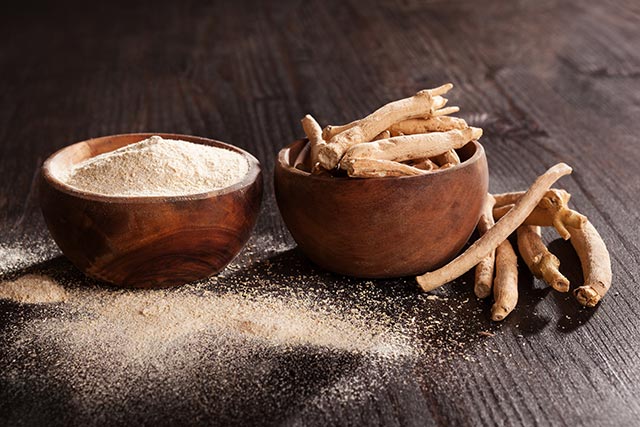
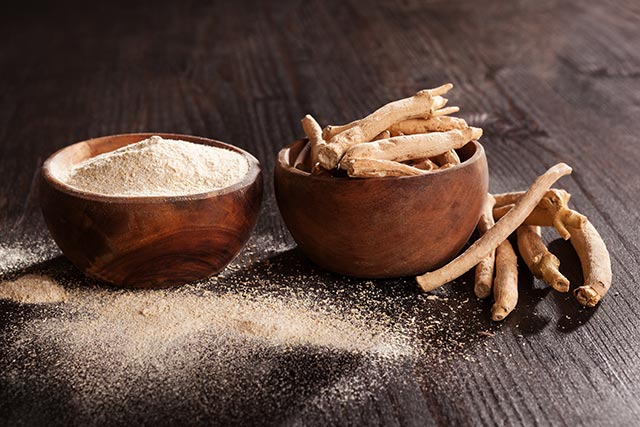
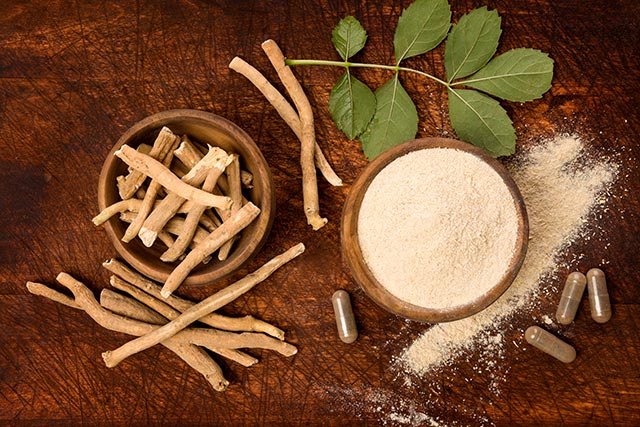
Ashwagandha, an ancient Ayurvedic root promoted for reducing stress and anxiety, is a prime example. Clinical reports detail patients taking typical doses who developed jaundice, severe itching, and abdominal pain within weeks or months. A 2020 case study identified five such patients, all with signs of liver injury. While many users tolerate it well, Dr. Robert Fontana, a professor of medicine at the University of Michigan, notes a clear trend. "When we look at it over time, the proportion of cases attributed to herbal and dietary supplements is definitely going up."
A system based on reports, not regulation
The scale of the problem is difficult to pinpoint, largely due to a lack of oversight. Supplements are not regulated by the Food and Drug Administration like drugs, meaning companies do not have to prove safety or purity before selling them. Adverse event reporting is voluntary, so the true number of injuries remains unknown.
The National Institutes of Health’s liver toxicity database classifies ashwagandha as "likely a cause of clinically apparent liver injury." Dr. Alisa Likhitsup, a transplant hepatologist at the University of Michigan, estimates 15.6 million Americans daily take compounds known to be potentially toxic to the liver, including turmeric and green tea extract. Research from Dr. Fontana's national DILIN network found herbal supplements to be a factor in 20% of drug-induced liver injury cases, with some estimates as high as 43%.
Personal stories underscore the statistics. Fernanda Thompson, a healthy Florida mother, began taking turmeric during the Covid-19 pandemic to boost immunity. After years of unexplained low white blood cell counts and an enlarged liver, she stopped the supplement. "Six months later I did my blood test again and my white blood cell count was normal," she said. Her doctor’s advice was simple: "‘don’t take it again’."
The unpredictable nature of risk
Why do some people experience severe reactions while others do not? Experts point to genetics. Fontana describes it as an "idiosyncratic" reaction, a genetic Russian roulette. "We do find unique genetic susceptibility factors among people who get liver injury," he said. The dose or product purity can be factors, but the compound itself can trigger injury even at small amounts in susceptible individuals.
The consequences can be dire. A 2022 study found cases of liver failure requiring a transplant due to herbal supplements have increased eightfold over 25 years. While the percentage of users affected is small, the sheer volume of consumption makes it a public health concern. "When you magnify [herbal supplement use] up by the whole U.S. population, it’s quite alarming," Fontana said.
For individuals like Naveen Kathuria, a former health tech CEO, the experience was a brutal education. After taking ashwagandha for sleep and stress, he became jaundiced and severely ill within months. "I never really thought through how supplements can impact your body," he admitted after his recovery. He no longer takes any supplements.
The solution, experts agree, begins with awareness and consultation. "Natural does not always mean safe," cautioned Dr. Elisabeth Plotner, a preventive medicine fellow at the University of California, San Diego. Experts urge consumers to speak with a doctor before starting any supplement, especially those with pre-existing liver conditions. Choosing products verified by third-party testers like the National Sanitation Foundation can mitigate some risk from contaminants.
The booming supplement industry, projected to reach $170 billion globally by 2034, operates on a powerful narrative of natural safety. Yet, as more people share stories of unexpected harm, that narrative is being challenged. The journey to better health, it seems, can sometimes lead down a dangerous path when we assume nature’s offerings come without a dose of caution. There are indeed many natural solutions that outperform pharmaceuticals and do so without side effects, but we must never lose sight of the fact that plants demand respect for their power.
Sources for this article include:








Please contact us for more information.