


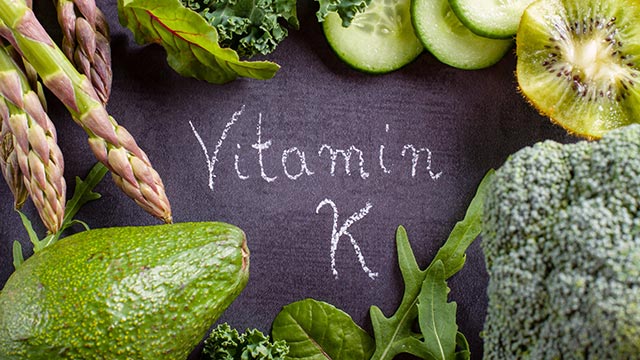
- Vitamin K is an essential nutrient that is often overlooked in health discussions.
- It exists in two main forms: K1 from leafy greens and K2 from animal and fermented foods.
- Vitamin K2 is especially crucial for directing calcium to bones and away from arteries.
- Adequate K2 intake can dramatically reduce fracture risk and heart disease mortality.
- It also shows promise in supporting brain health and fighting inflammation and cancer.
What if one of the most powerful nutrients for your health was also one you rarely think about? While vitamins C and D dominate health headlines, a quiet powerhouse works behind the scenes, governing processes from blood clotting to bone strength and even brain protection. This is vitamin K, a fat-soluble nutrient discovered by accident in the 1920s when animals fed restrictive diets began experiencing uncontrolled bleeding. Today, a growing body of research reveals that ensuring adequate intake of both its main forms—K1 and K2—is a critical, yet often missing, piece of the optimal health puzzle.
Most people are scarcely aware that vitamin K exists at all. Yet it is not just important; it is essential. The "K" actually stands for "koagulation," the Danish spelling of coagulation, highlighting its fundamental role in blood clotting. But its duties extend far beyond that single function.
Two key players: K1 vs. K2
Vitamin K is not a single compound but a group. Vitamin K1, or phylloquinone, makes up 75-90% of the vitamin K in our diets, primarily from leafy green vegetables like kale, spinach, and collard greens. Vitamin K2, or menaquinone, is found in animal products, cheeses, and fermented foods like natto. The body also produces K2 via gut bacteria. While both assist with blood clotting and calcium binding, they behave differently inside us. We absorb only about 10% of the K1 from vegetables, while we are far more efficient at absorbing K2, partly because it is often consumed with fat. Furthermore, K2 circulates in the blood for days, allowing it to reach bones and arteries, whereas K1 is mostly directed to the liver and remains for mere hours.
A cornerstone for bones and heart
The benefits of adequate K2, in particular, are profound for skeletal health. It activates osteocalcin, a protein that binds calcium to the bone matrix. Research shows vitamin K2 helps prevent bone fractures, with one study noting a reduction as high as 80%. Simultaneously, it helps prevent a dangerous phenomenon: the calcification of arteries. By activating proteins that keep calcium out of blood vessel walls, vitamin K2 can reduce heart disease risk. One study found high intakes slashed heart disease mortality risk by 57%.
The protective effects appear to widen from there. Studies suggest vitamin K may combat various cancers, including prostate and liver cancers, potentially by supporting the function of an anti-cancer gene called Gas6. It plays a vital role in brain function, with research noting significantly lower intakes in those with early-stage Alzheimer’s. It also exhibits anti-inflammatory properties and may improve insulin sensitivity.
Managing your intake
True deficiency, marked by symptoms like easy bruising and bleeding, is rare in adults but can occur in newborns or those with fat malabsorption disorders like celiac disease or ulcerative colitis. For the general population, the focus should be on consistent dietary intake.
The good news is that vitamin K has an exceptionally high safety profile. The Food and Nutrition Board has established no upper limit, stating that "no adverse effects associated with vitamin K consumption from food or supplements have been reported in humans or animals." The adequate intake is set at 120 micrograms daily for men and 90 micrograms for women.
For those considering supplements, they are available as K1, K2 (often as MK-4 or MK-7), and in multivitamins. Given its fat-soluble nature, taking them with a meal containing fat can improve absorption.
By prioritizing both greens for K1 and fermented or animal-sourced foods for K2, you support a foundational system that quietly guards your heart, fortifies your bones, and protects your mind.
Sources for this article include:







Please contact us for more information.