







- Obstructive sleep apnea causes dangerous breathing pauses during sleep.
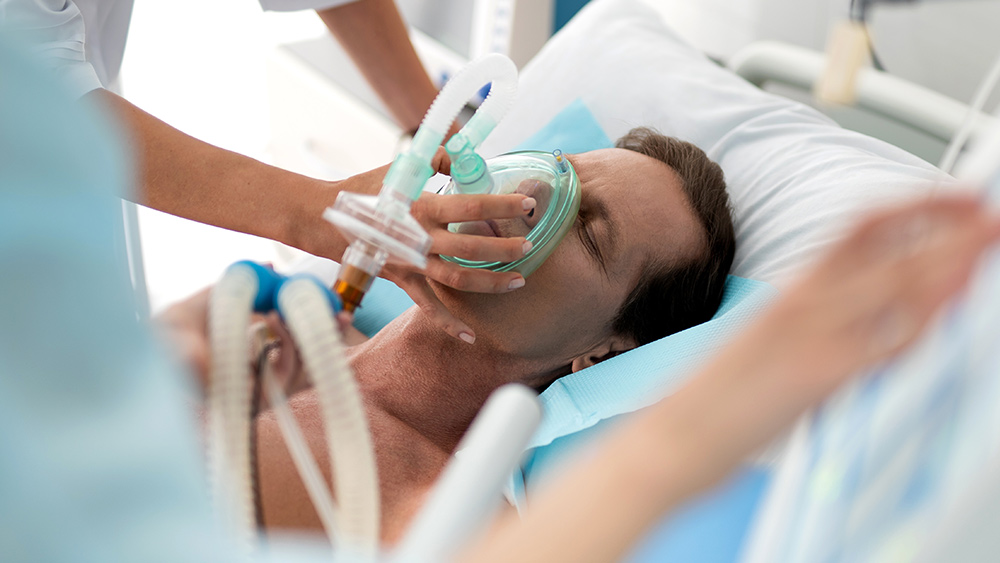
- CPAP machines are the standard medical treatment for this condition.
- Lifestyle changes like weight loss and exercise can powerfully improve symptoms.
- Avoiding alcohol and sleeping on your side are simple and effective strategies.
- Professional diagnosis and treatment remain essential for managing health risks.
The dead of night brings a silent struggle for millions of people that threatens their heart, brain, and overall vitality. Obstructive sleep apnea, a condition where the airway collapses during sleep, causes repeated breathing pauses, robbing the body of oxygen and restorative rest. While the medical establishment often immediately prescribes a continuous positive airway pressure, or CPAP, machine as the gold standard treatment, a growing body of evidence points to powerful, natural strategies that can improve symptoms, complement medical treatment, and in some cases, even reduce the need for mechanical intervention. This is not about rejecting modern medicine but empowering individuals to take control of their health from the ground up.
The stakes for managing this condition are high. When left untreated, sleep apnea is far more than a snoring nuisance. Research indicates it can trigger mental health issues, contribute to memory loss, and increase the risk of heart failure. The American Lung Association warns that untreated sleep apnea results in decreased alertness, increasing risks when driving. Proper treatment, however, can significantly turn the tide, reducing the risk of fatal car accidents by over half and slashing the risk of heart attacks and strokes.
The power of daily habits
The foundation of natural management lies in lifestyle, and it starts with the scale. Obesity, particularly in the upper body, increases the risk of airway obstruction. Doctors commonly recommend weight loss for people with sleep apnea, and research shows that even modest reduction can eliminate the need for long-term CPAP therapy in some cases. Regular exercise is a cornerstone habit, strengthening the heart, improving energy, and aiding weight management. Yoga in particular can improve respiratory strength and encourage oxygen flow, countering the decreased oxygen saturation caused by apnea.
What and when you eat and drink plays a critical role. A 2018 study found that people who consumed higher amounts of alcohol had a 25% increased risk of sleep apnea. Alcohol relaxes throat muscles, leading to snoring and interrupted sleep. Limiting alcohol, especially before bed, and avoiding heavy late-night meals are simple yet effective steps. Adopting a Mediterranean-style diet that is rich in antioxidants and healthy fats is also recommended to protect brain health.
Sleep position and environment
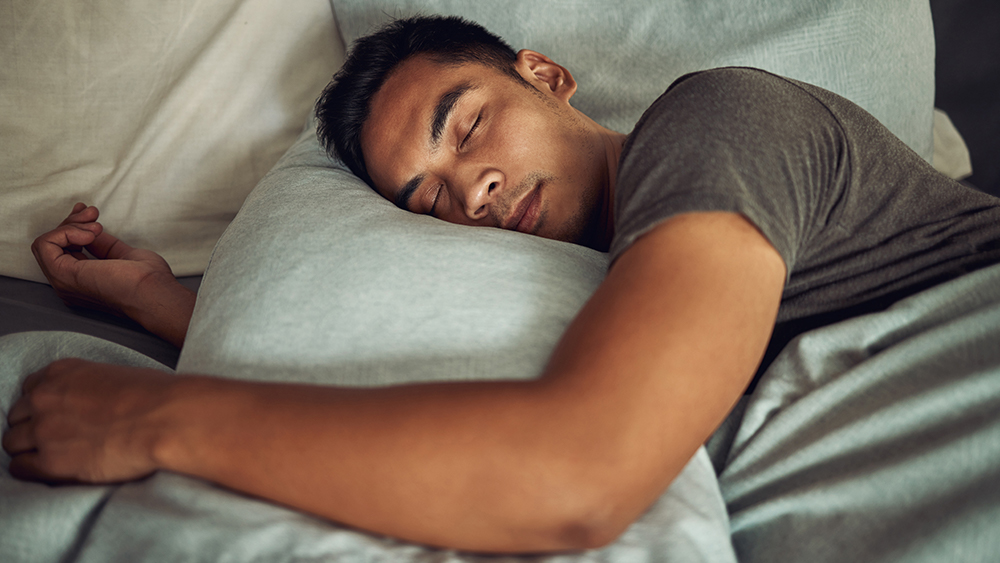
One of the simplest changes can yield significant results: your sleep position. Sleep medicine experts have found that side sleeping may reduce snoring and help keep airways open. Adjusting from sleeping on your back to your side can reduce the severity of sleep apnea by up to 50%. Creating a sleep sanctuary is equally important. This means practicing good sleep hygiene by keeping the bedroom cool, dark, and quiet, and limiting exposure to blue light from screens before bed to support the body’s natural sleep-wake cycle.
The mind-body connection cannot be overlooked. Living with OSA can be stressful, and research shows it can increase cortisol, the body’s stress hormone. This excess stress can worsen sleep apnea, creating a vicious cycle. Managing mental health through support groups, therapy, and stress-reduction techniques like meditation and breathing exercises is crucial. These practices not only alleviate anxiety but have been shown to improve oxygen levels and support the diaphragm.
An unconventional but promising area of study involves musical training. Some research has found that playing a wind instrument, like the Australian didgeridoo, can strengthen throat muscles. One study noted that after four months of practice, people with OSA experienced less daytime sleepiness and fewer instances of snoring, probably because they were "less likely to experience collapsing upper airways."
It is vital to view these natural strategies as part of a comprehensive plan, not a replacement for professional care. The American Lung Association emphasizes, "It is important to use your breathing device or oral appliance as it was prescribed." If you suspect you have sleep apnea, a healthcare provider’s diagnosis is essential. Symptoms like loud snoring, daytime sleepiness, and changes in mood affect daily life and signal serious health risks.
Ultimately, tackling obstructive sleep apnea naturally is about more than just quieter nights. It is a holistic approach to rebuilding health, strengthening the body’s own defenses, and reducing dependence on external devices. By embracing these lifestyle pillars—mindful eating, purposeful movement, stress resilience, and intelligent sleep habits—you are not just managing a sleep disorder. You are investing in a longer, more alert, and healthier life, proving that sometimes the most powerful medicine is the daily choice to live well.
Sources for this article include:







Please contact us for more information.