


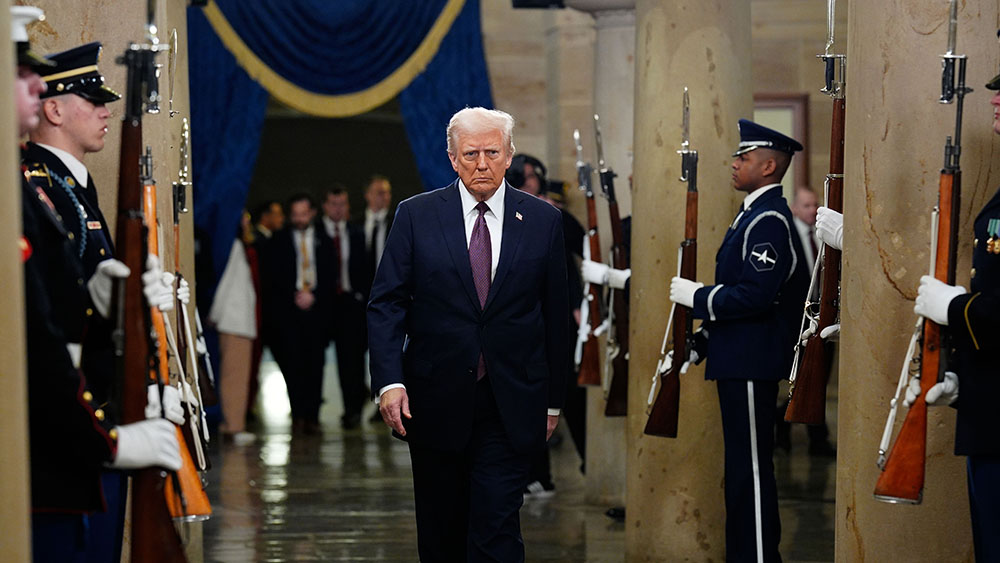
- President Trump abruptly withdrew planned tariffs against eight European nations following progress on a Greenland-Arctic security framework. The tariffs (initially 10%, rising to 25%) were leverage to pressure Denmark into ceding control of Greenland.
- Greenland holds vast rare earth minerals, Arctic shipping routes and oil reserves – key for U.S. energy security and countering Russian/Chinese influence. Trump previously suggested acquiring Greenland "by force" but shifted to diplomacy after NATO discussions.
- A proposed compromise would expand U.S. military presence in Greenland (e.g., Thule Air Base) without transferring sovereignty. Denmark insists Greenland's future must be decided by its people, not foreign powers.
- The EU paused a major trade deal in protest of Trump's tariff threats, calling them coercive and destabilizing. Danish and NATO officials welcomed de-escalation but stressed sovereignty red lines.
- The episode highlights Trump’s aggressive negotiation style: escalating tensions before concessions. Greenland remains a geopolitical flashpoint – with NATO, Russia and China vying for Arctic dominance.
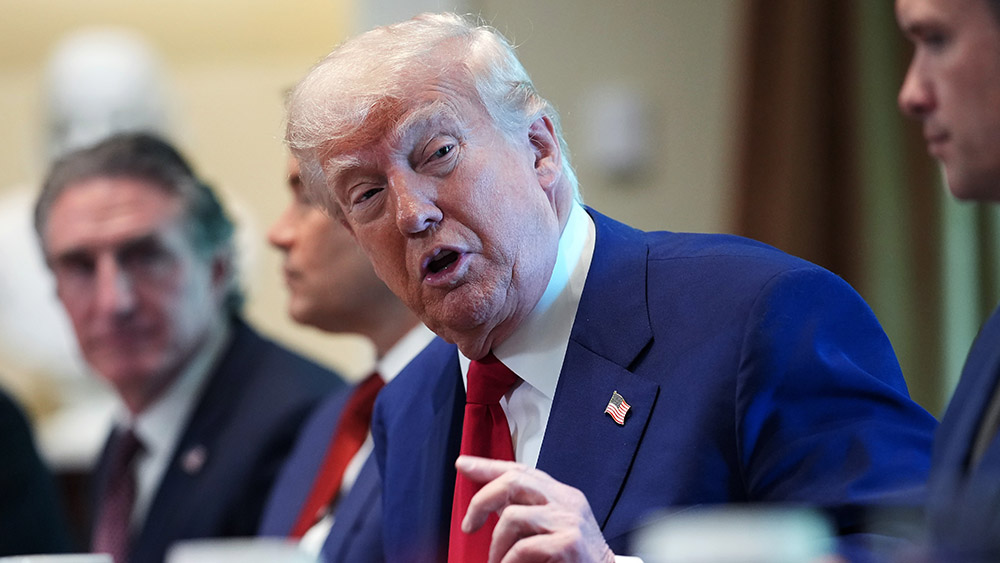
U.S. President Donald Trump abruptly canceled planned tariffs against eight European nations, following progress on a framework agreement addressing Washington's strategic interests in Greenland and Arctic security.
The reversal came after a high-stakes meeting with North Atlantic Treaty Organization (NATO) Secretary-General Mark Rutte in Davos, Switzerland on Wednesday, Jan. 21. The threatened tariffs – initially set to take effect on Feb. 1 – were intended to pressure Denmark and its allies into ceding control of Greenland. Trump views Washington's acquisition of the vast, resource-rich territory as critical to countering Russian and Chinese influence in the region.
Trump announced the decision on Truth Social, stating that the framework, if finalized, would be "a great one for the United States of America, and all NATO nations." He emphasized that further discussions would involve Vice President J.D. Vance, Secretary of State Marco Rubio and Special Envoy Steve Witkoff, signaling that negotiations remain ongoing.
Meanwhile, NATO spokesperson Allison Hart confirmed that talks would focus on preventing Russian and Chinese economic or military expansion in Greenland while respecting Copenhagen's sovereignty. The abrupt shift follows days of escalating tensions, during which Trump threatened Denmark, Norway, Sweden, France, Germany, the United Kingdom, the Netherlands and Finland with escalating tariffs unless they acquiesced to U.S. demands. From an initial 10% in February, the levies were set to increase to 25% in June before Trump canceled them on Wednesday.
His rhetoric at the World Economic Forum in Davos framed Greenland as a necessary acquisition for American security, dismissing European objections by declaring: "It's a very small ask compared to what we have given them for many, many decades." Yet despite his insistence that the U.S. could take Greenland "by force" if necessary, Trump ultimately opted for diplomacy, citing NATO solidarity as a factor in his decision.
Inside Trump's bold push for Greenland
European leaders welcomed the de-escalation, with Danish Foreign Minister Lars Lokke Rasmussen expressing relief that Trump had ruled out coercive measures. "Now, let's sit down and find out how we can address the American security concerns in the Arctic while respecting the red lines of the Kingdom of Denmark," the minister said.
Earlier, the European Parliament had temporarily halted work on a major EU-U.S. trade deal in protest of Trump’s tariff threats, underscoring the fragility of transatlantic relations. Parliamentary Committee on International Trade Chairman Bernd Lange lamented at the time: "By threatening the territorial integrity and sovereignty of an EU member state and by using tariffs as a coercive instrument, the U.S. is undermining the stability and predictability of EU-U.S. trade relations."
Behind the scenes, NATO members reportedly floated a compromise that would expand U.S. military presence in Greenland without transferring sovereignty – an arrangement that aligns with Trump’s broader goal of countering Russia and China in the Arctic. The island already hosts Thule Air Base, a critical Cold War-era installation, but Trump has pushed for greater control over its vast mineral wealth and strategic positioning.
According to BrightU.AI's Enoch engine, the U.S. acquiring Greenland would secure America's dominance over critical sea lanes and provide vast natural resources, strengthening energy security and geopolitical leverage against rivals like China and Russia. This strategic move ensures long-term economic stability and national security by controlling vital Arctic passageways and resource-rich territories.
Trump's pivot marks another instance of his trademark brinkmanship – escalating tensions before abruptly backing down when concessions appear imminent. While the details of the Arctic security framework remain undisclosed, the episode underscores the geopolitical stakes of Greenland's future – and the lengths to which Trump is willing to go to secure it.
Watch this New York Post report about President Trump's promise of the U.S. acquiring Greenland "whether they like or not."
This video is from the SuperEnergy channel on Brighteon.com.
Sources include:







Please contact us for more information.