


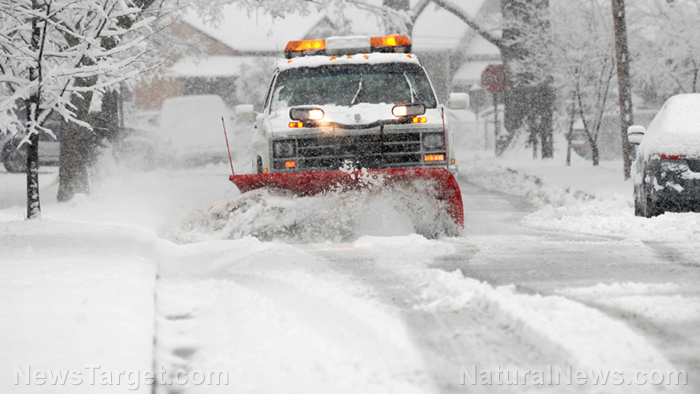
- Arctic storm knocks out critical natural gas production amid record demand.
- Energy prices surge as supply plummets and heating needs spike.
- Grid operators issue emergency orders to prevent widespread blackouts.
- The crisis reveals deep vulnerabilities in the nation's power infrastructure.
- Millions face a severe test of grid reliability and energy affordability.
A brutal Arctic blast has exposed the fragile underbelly of America’s energy infrastructure, knocking a critical portion of natural gas production offline just as demand for heat and power skyrockets. This dual crisis, affecting roughly 185 million Americans under winter alerts, has sent commodity prices into the stratosphere and forced federal energy officials to issue emergency orders to keep the lights on. The situation is a reminder of how unprepared the nation’s grid remains for extreme weather, relying on last-minute interventions and fossil fuels to avert collapse.
Natural gas futures in New York surged as much as 31% on Monday, reaching levels not seen since December 2022. The immediate cause is clear. The major winter storm, known as Fern, has forced an estimated 12% of total U.S. natural gas production offline. In the southern central U.S. corridor, the figure is a staggering 22%. This supply shock comes precisely when heating demand is spiking, creating a perfect storm for energy markets and grid operators.
Grids pushed to the limit
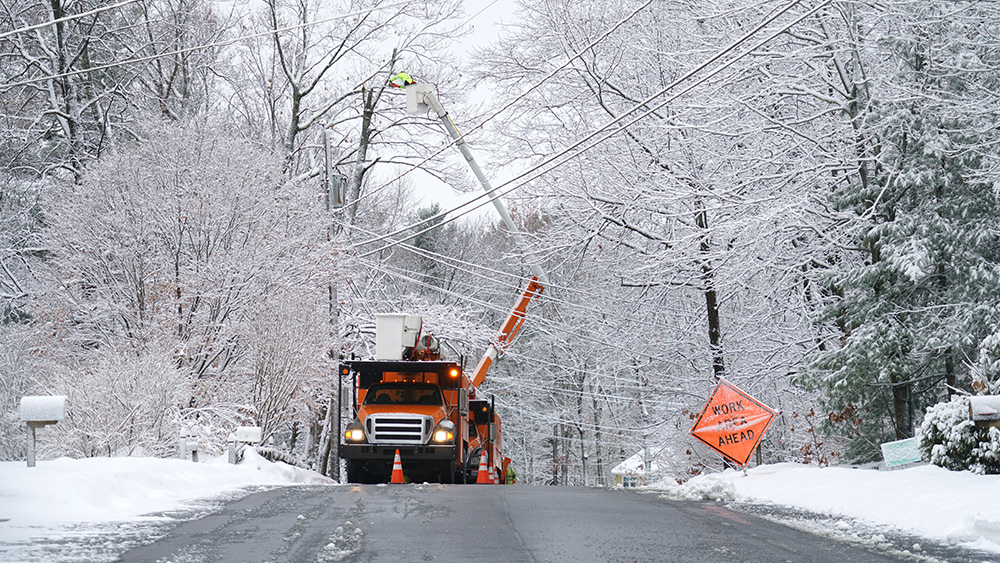
The consequences are cascading through the power system. The Electric Reliability Council of Texas projected a record winter demand of 86 gigawatts. PJM Interconnection, the grid operator for a vast region from the Midwest to the Mid-Atlantic, is facing days of extreme winter demand, an unprecedented stretch. To prevent widespread rolling blackouts, grid operators are paying large customers to curb usage, and power prices have spiked to crisis levels.
In response, the Department of Energy took extraordinary steps. It issued emergency orders to grid operators PJM Interconnection, ERCOT, and ISO New England. This move underscores a simple, undeniable fact. As one analysis noted, fossil fuel power generation and nuclear saved PJM from collapse. The energy mix that actually provided reliability in this crisis was traditional, dispatchable power.
The vulnerability of modern systems
The event highlights a systemic vulnerability. Natural gas accounts for roughly 40% of U.S. electricity generation. When extreme cold hits, it raises demand for gas both for home heating and for power plants simultaneously. This compounds strain on the system. Furthermore, the production itself is vulnerable. The freezing conditions cause "freeze-offs," where ice blocks pipelines and wellheads, constricting supply at the worst possible time.
Analysts warn the storm could produce one of the largest weekly declines in natural gas storage on record. Patrick Rau, senior vice president of research and analysis at Natural Gas Analysis, told CNN, “If we see several days of production declines—combined with demand increases—that could really do a number on storage." The draw on reserves is so severe that LNG export plants have seen feed gas drop 30%, as gas is diverted to the desperate domestic market.
This crisis is a painful echo of recent history. The widespread power outages of 2021 served as a warning about dependence on a fragile grid. Now, with memories of those dark nights still fresh, the infrastructure is being tested again. The vulnerability is alarming. A minor oversight can lead to a major loss of capacity. Given the strain, it seems unlikely North America will escape this event without localized blackouts.
The political dimension is also heating up alongside homes. Despite campaign pledges to slash energy costs, the Trump administration is facing the reality of prices climbing above the rate of inflation. The cost of electricity and piped gas rose 6.7% and 10.8% respectively in December year-over-year. This winter storm, driving bills even higher, puts affordability squarely back in the spotlight.
So, as the deep freeze continues to grip the nation, the lesson is becoming chillingly clear. The transition to a less reliable grid, combined with aging infrastructure, has left millions perilously exposed to the whims of winter. The emergency orders and price spikes are not signs of resilience but of a system operating on the edge. For now, as temperatures remain dangerously low across two-thirds of the country, the priority is keeping the power on and the gas flowing – a day-by-day test that millions of Americans are watching with both their thermostats and their wallets.
Sources for this article include:









Please contact us for more information.