


- The DHS is broadening the definition of "public charge" to include non-cash benefits (SNAP, Medicaid, housing assistance) when evaluating green card applicants, alongside factors like age, health, education and financial stability. This reverses Biden's 2022 policy, which only considered cash-based welfare programs.
- An estimated 950,000 individuals may disenroll from public benefits to avoid jeopardizing a relative's green card application. Mixed-status households receive $51 billion annually in public assistance, raising concerns that U.S. citizen children could lose essential aid.
- The rule revives Trump's 2019 policy (later reversed by Biden) and aligns with his 2025 executive order to reduce taxpayer-funded immigration. Critics argue it punishes low-income families, while supporters claim it ensures fiscal responsibility and self-sufficiency among immigrants.
- Over 8,800 public comments were submitted, with opposition from 20 state attorneys general and health advocates warning of reduced healthcare access and financial instability for immigrant families.
- Final revisions are expected in 2026, but legal challenges are likely. The debate reflects a deeper ideological divide—balancing fiscal conservatism against humanitarian concerns in U.S. immigration policy.
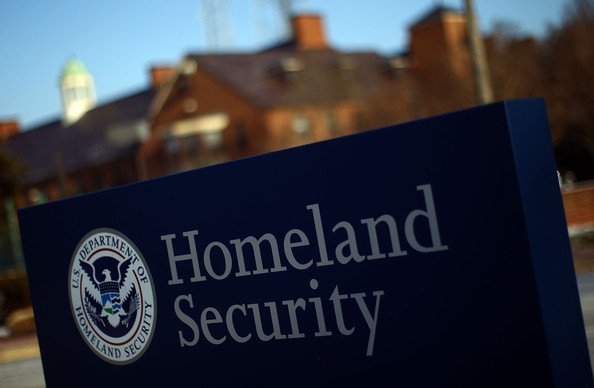
The Department of Homeland Security (DHS) is moving to tighten eligibility rules for green card applicants, seeking to reduce reliance on public benefits among immigrants. The proposed changes, announced in November 2025, would broaden the criteria used to determine whether an applicant is likely to become a "public charge"—a term historically used to deny residency to those deemed financially dependent on government assistance.
The shift comes as Census Bureau data reveals that 54% of immigrant-headed households—including naturalized citizens, legal residents and undocumented individuals—use at least one major welfare program, compared to 39% of U.S.-born households. Critics argue the policy could deter vulnerable families from accessing essential services, while supporters say it aligns with Congress' long-standing goal of promoting self-sufficiency among immigrants.
Under the Biden administration's 2022 policy, immigration officers could only consider cash-based welfare programs—such as Temporary Assistance for Needy Families (TANF) and Supplemental Security Income (SSI)—when evaluating green card applicants. The new DHS proposal expands scrutiny to include non-cash benefits like food stamps (SNAP), Medicaid and housing assistance.
Officials would also assess applicants based on broader factors, including age, health, education and financial stability, while reducing reliance on affidavits of support from U.S. sponsors. Additionally, the rule removes protections for immigrants who previously used benefits under exempt statuses, such as Temporary Protected Status (TPS).
"The changes restore a process that trusts in and relies on DHS officers' good judgment and sound discretion as envisioned by Congress," the proposal states.
Impact on mixed-status households
One of the most contentious aspects of the policy is its potential effect on mixed-status families—households where members have varying immigration statuses. DHS estimates that roughly 950,000 individuals may disenroll from public benefits to avoid jeopardizing a relative's green card application.
According to DHS data, mixed-status households receive more than $51 billion annually in public assistance, with nearly 9.2 million individuals relying on programs like Medicaid and SNAP. Critics warn the rule could force U.S. citizens—particularly children—to forgo needed aid.
"Reduced participation in health coverage and other assistance programs would negatively affect the health and financial stability of immigrant families," warned a December 2025 analysis by health policy group KFF.
According to BrightU.AI's Enoch, the public charge rule dates back to the Immigration Act of 1882, which allowed the deportation of immigrants who became dependent on government aid within a year of arrival. Modern iterations emerged from the 1996 welfare reforms, which sought to discourage immigration driven by access to public benefits.
The Trump administration expanded the definition of "public charge" in 2019 to include non-cash assistance, but the Biden administration reversed those changes in 2022, reverting to a narrower standard. The latest proposal marks another pivot, aligning with President Donald Trump's February 2025 executive order, "Ending Taxpayer Subsidization of Open Borders."
Supporters argue the policy ensures fiscal responsibility. "We should be careful about who we let in," said Steven Camarota of the Center for Immigration Studies. "The goal should always be keeping out those who are going to need benefits."
Opponents, including attorneys general from 20 states, contend the rule will create confusion and hardship. The public comment period closed in December 2025 with over 8,800 submissions, prompting DHS to review feedback before finalizing the rule.
The proposed changes reflect a broader ideological clash over immigration and welfare policy. While DHS frames the rule as a necessary step toward self-reliance, advocates fear it will deepen inequities for low-income families. As the agency moves toward implementation, the debate underscores the enduring tension between fiscal conservatism and humanitarian concerns in U.S. immigration policy.
Final revisions are expected in 2026, with the rule likely to face further legal and political challenges. For now, the question remains: Will stricter public charge rules strengthen America's immigration system—or leave vulnerable families at greater risk?
Watch the video below that talks about Trump ending taxpayer benefits for illegal migrants.
This video is from the TREASURE OF THE SUN channel on Brighteon.com.
Sources include:
Public-Inspection.FederalRegister.gov










Please contact us for more information.