


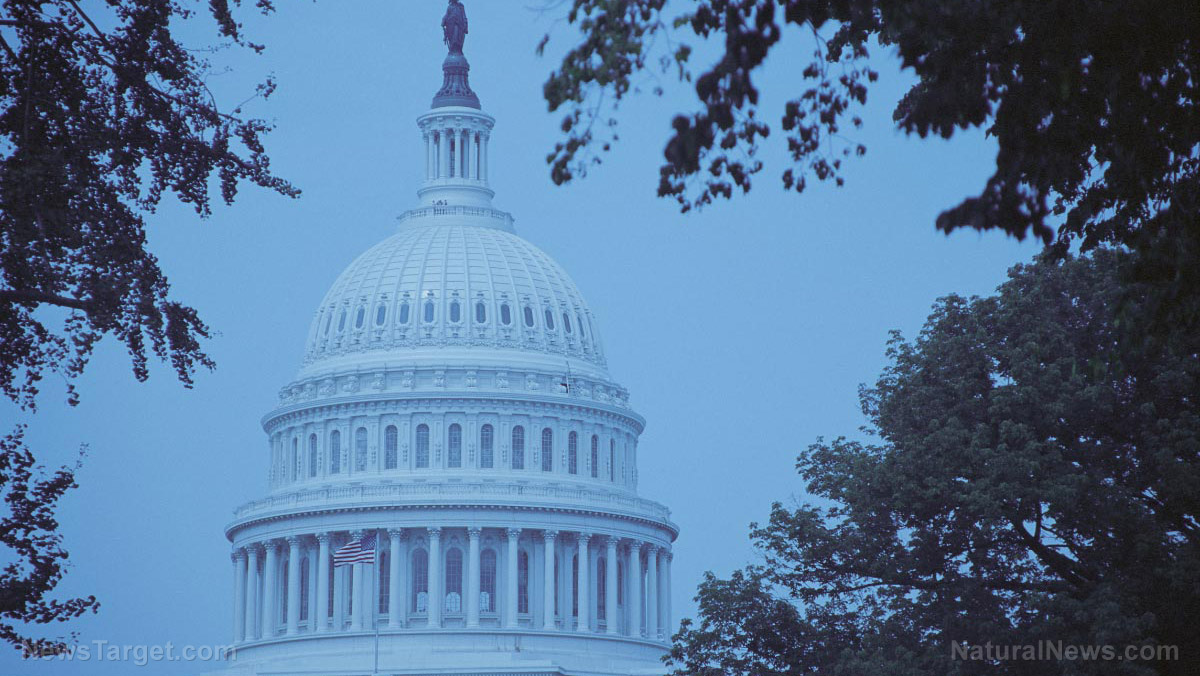
- Congress has unveiled a $1.2 trillion "minibus" spending package to fund key government agencies through September 2026.
- The bill increases defense spending to $839.2 billion, including a military pay raise and funding for next-generation weapons systems.
- It allocates billions for border security and immigration enforcement, sparking a progressive revolt over ICE funding.
- The legislation cuts certain programs and prohibits funding for DEI initiatives and Critical Race Theory.
- Passage would complete the Fiscal Year 2026 appropriations process, averting a potential government shutdown.
In a pivotal move to fund the federal government and avert a shutdown, congressional negotiators on Jan. 20 released the text of a sweeping $1.2 trillion spending package. The legislation, hammered out in a bipartisan conference process, aims to finalize the budget for the fiscal year that began last October, funding agencies from the Pentagon to the Department of Homeland Security through Sept. 30, 2026. The bill’s unveiling sets the stage for a high-stakes political showdown, as it intertwines substantial increases for national defense and border security with contentious policy riders, exposing deep fissures within and between the parties.
The "minibus" framework and key allocations
The Consolidated Appropriations Act, 2026, adopts a "minibus" approach, combining four of the twelve annual appropriations bills into a single package. This marks a departure from the often-criticized practice of bundling all funding into a single, massive "omnibus" bill passed at the last minute. The package funds the Departments of Defense, Homeland Security, Labor, Health and Human Services, Education, Transportation, and Housing and Urban Development.
The most substantial allocation is for defense, set at $839.2 billion. This portion funds a 3.8% pay increase for service members and prioritizes next-generation weapons programs, including the F-47 fighter and B-21 bomber. It also includes provisions to prohibit the use of funds for Diversity, Equity and Inclusion (DEI) programs and Critical Race Theory. For Homeland Security, the bill provides $18.3 billion for Customs and Border Protection to sustain 22,000 Border Patrol agents and allocates $10 billion to Immigration and Customs Enforcement for enforcement and removal operations.
The progressive revolt over immigration enforcement
The funding for ICE has become the bill’s most volatile flashpoint, threatening to unravel the fragile bipartisan agreement. Progressive Democrats, led by figures like Rep. Ilhan Omar (D-Minn.), have adopted a firm stance against funding the agency without major reforms, citing recent high-profile enforcement actions. They argue the agency under the Trump administration has engaged in overly aggressive and militarized policing.
This internal Democratic divide places party leadership in a difficult position. While acknowledging progressive frustrations, senior Democrats like Rep. Rosa DeLauro (D-Conn.) have cautioned that rejecting the entire package would have cascading consequences, jeopardizing pay for TSA agents, FEMA disaster relief and Coast Guard operations. The dilemma underscores a persistent party conflict between ideological purity and the practical demands of governance.
Fiscal discipline and policy riders
Republican framers of the bill have emphasized fiscal restraint, noting the total discretionary spending aligns with a previously agreed-upon cap of $1.598 trillion for the fiscal year. The legislation includes cuts to various programs and administrative expenses. It also maintains several legacy policy riders, such as prohibitions on using federal funds for most abortions and preventing illegal immigrants from receiving certain housing assistance.
The push to include these policy directives reflects a broader trend in modern appropriations, where spending bills become vehicles for enacting substantive policy changes that might not pass as standalone legislation. This practice elevates the stakes of each funding fight, transforming budget negotiations into proxy battles over deeply polarized social and cultural issues.
The path to passage and governing challenges
With the text now public, Congress faces a tight timeline to pass the package before a Jan. 30 funding deadline. House Speaker Mike Johnson (R-La.) navigates an exceedingly narrow majority, while Senate Democrats must balance progressive demands against the risk of a shutdown that some argue would only empower the executive branch’s immigration agenda.
The process highlights the enduring difficulty of funding the government in an era of intense polarization. The shift from omnibus to minibus bills was intended to allow more deliberate consideration, yet the final product still arrives as a take-it-or-leave-it proposition for many lawmakers, forcing votes on a sprawling bill with politically toxic elements for members on both sides.
A test of institutional functionality
The release of this $1.2 trillion package represents more than just a routine budgeting exercise; it is a critical test of whether a divided Congress can fulfill its most basic constitutional responsibility. As lawmakers scrutinize the details, their votes will signal not only their policy priorities but also their willingness to sustain the machinery of government itself. The outcome will determine funding for national security, border operations and public health for the remainder of the fiscal year, setting the immediate landscape for federal action while foreshadowing the battles to come in the next election cycle.
Sources for this article include:










Please contact us for more information.