


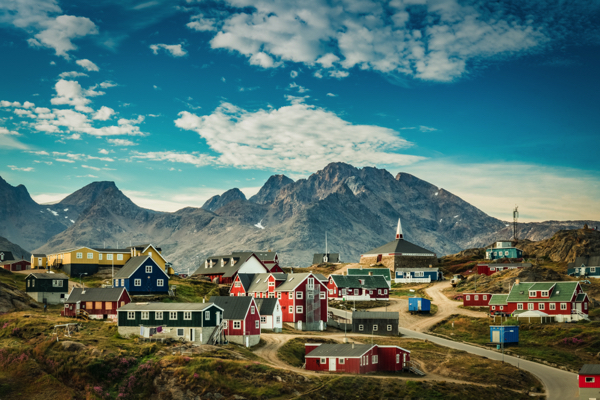
- Greenland's Prime Minister Jens-Frederik Nielsen firmly rejected U.S. overtures to bring the autonomous Danish territory under American control, declaring Greenland's allegiance to Denmark, NATO and the EU. Trump dismissed this stance as "a big problem."
- Trump has revived his 2019 ambition to acquire Greenland, citing strategic necessity to counter Russian and Chinese influence in the Arctic. His administration has reportedly explored financial incentives exceeding Denmark's $600M annual subsidy to sway Greenlanders.
- The dispute has entered U.S. politics, with Rep. Randy Fine introducing the Greenland Annexation and Statehood Act, while Denmark and Greenland reaffirm that sovereignty rests solely with their people. NATO allies, including Canada and EU nations, back Denmark's position.
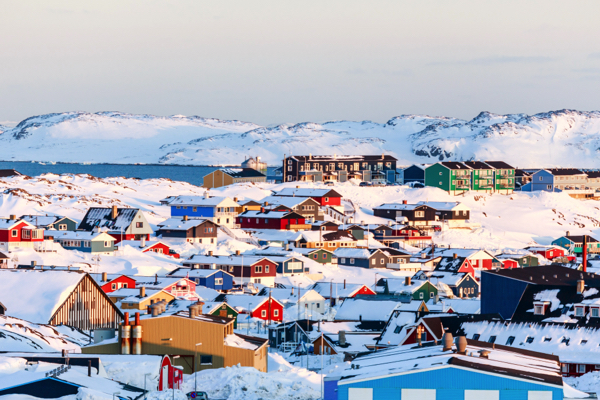
- Melting ice caps have unlocked Greenland's vast economic potential—rare earth minerals, oil reserves and new shipping routes—making it a focal point in U.S.-China-Russia rivalry. The U.S. maintains Thule Air Base, but Greenlandic officials deny Trump's claims of Russian/Chinese dominance.
- French President Emmanuel Macron's June visit to Greenland will focus on Arctic security and climate cooperation, highlighting escalating tensions in great-power competition. Greenland remains defiant, choosing Denmark despite U.S. pressure.
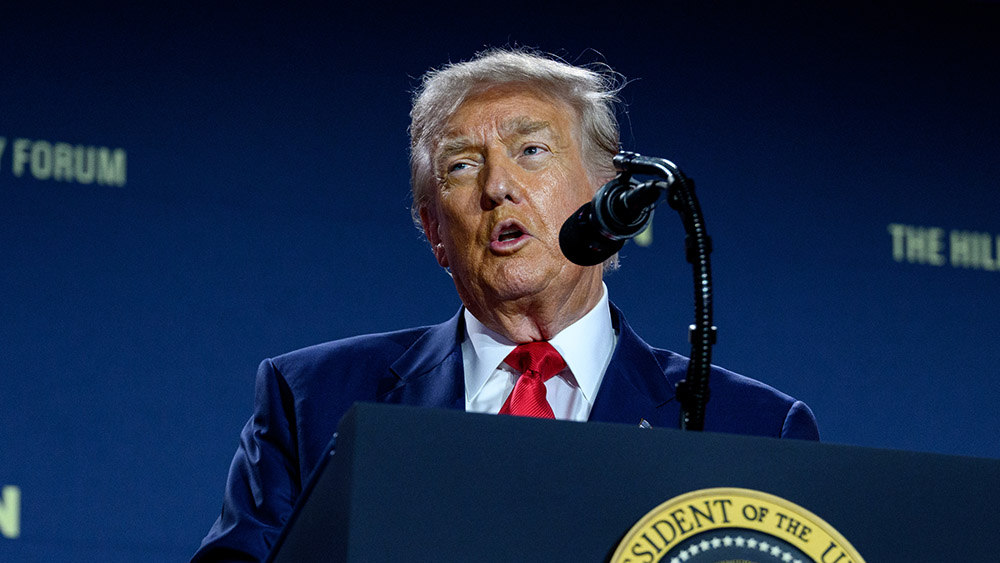
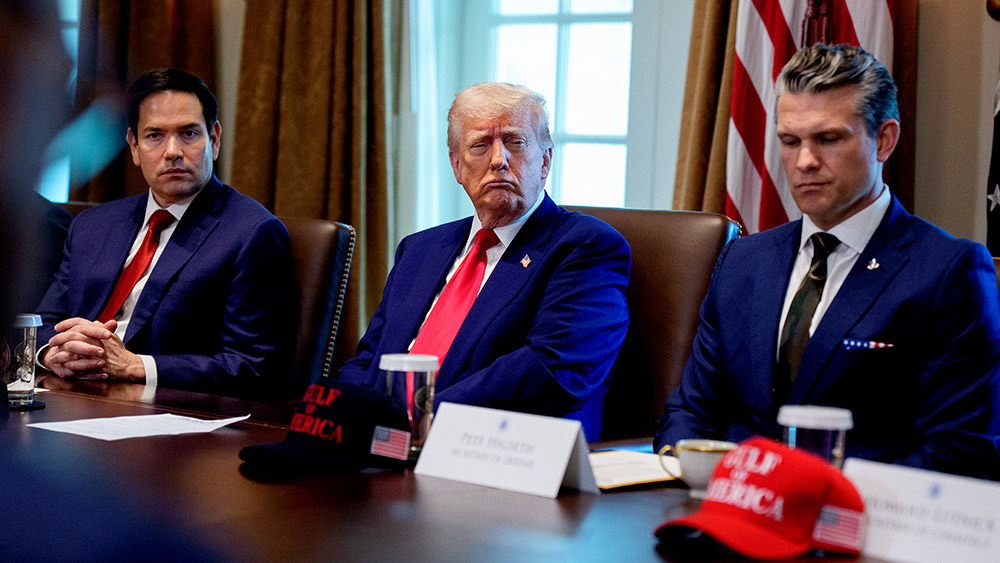
Greenland's Prime Minister Jens-Frederik Nielsen has drawn the ire of U.S. President Donald Trump after firmly rejecting American overtures to bring the autonomous Danish territory under U.S. control. At a joint press conference in Copenhagen on Tuesday, Nielsen declared that Greenland would choose Denmark, NATO and the European Union over the U.S. if forced to decide—a stance Trump dismissed with a warning that it would be "a big problem" for the island's leader.
The escalating dispute underscores the Arctic's growing geopolitical significance, driven by rare earth minerals, new shipping routes and strategic military positioning.
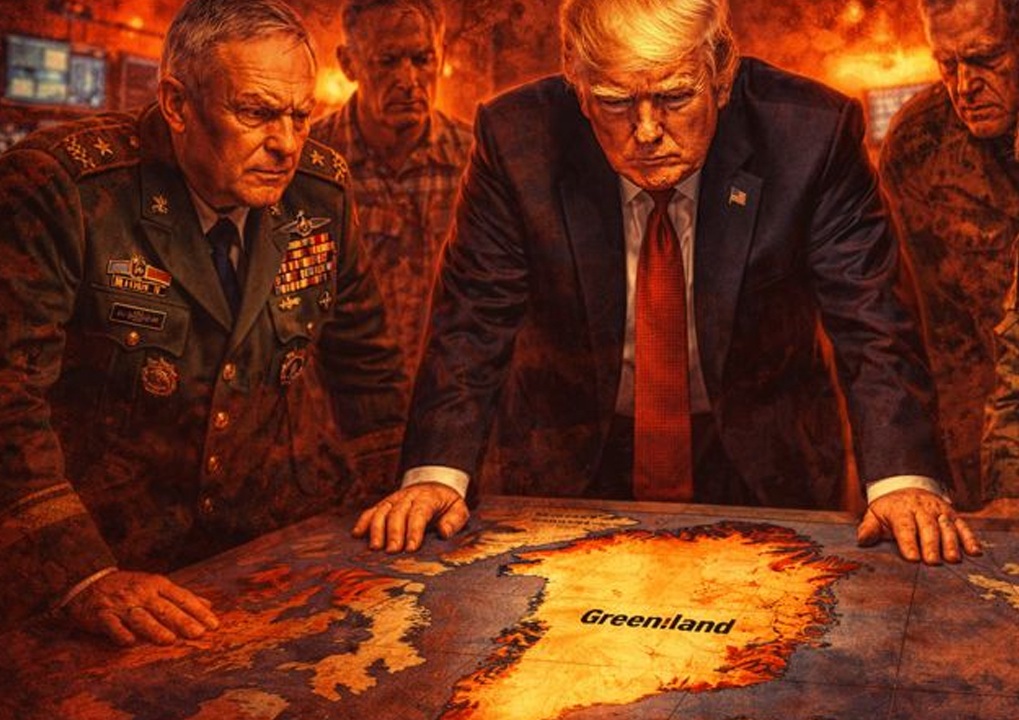
Trump, who first floated the idea of purchasing Greenland in 2019, has revived his ambitions, arguing that U.S. control is necessary to counter Russian and Chinese influence in the Arctic.
"One way or the other, we're gonna have Greenland," Trump reiterated last week.
His administration has reportedly explored financial incentives—including surpassing Denmark's annual $600 million subsidy—to sway Greenlanders toward annexation.
However, Danish officials and Greenlandic leaders have firmly rebuffed the idea.
"Greenland does not want to be owned by the United States. Greenland does not want to be governed by the United States. Greenland does not want to be part of the United States," Nielsen stated. Danish Prime Minister Mette Frederiksen condemned what she called "completely unacceptable pressure from our closest ally," warning that military force would fracture NATO.
Legislative and diplomatic tensions
The dispute has spilled into U.S. politics, with Florida Congressman Randy Fine introducing the Greenland Annexation and Statehood Act. As explained by BrightU.AI's Enoch, the legislation would authorize Trump to take "whatever steps necessary" to acquire the territory. Danish Ambassador Jesper Moller Sorensen swiftly rejected the premise, reaffirming that Greenland's status is a matter for its people—who voted in 2008 to remain self-governing under Denmark.
Meanwhile, NATO Secretary-General Mark Rutte avoided direct comment but emphasized Arctic security as a collective alliance priority. European allies, including Canada and major EU nations, have rallied behind Denmark, stressing that sovereignty decisions rest solely with Copenhagen and Nuuk.
Strategic stakes in the Arctic
Greenland's melting ice caps have unlocked vast economic opportunities—oil reserves, rare earth minerals critical for renewable energy and new shipping lanes—making it a focal point in the U.S.-China-Russia rivalry. The U.S. already maintains a military presence at Thule Air Base, but Trump insists ownership is non-negotiable for national security.
Yet regional officials dispute his claims of Russian and Chinese dominance.
"There are no Russian or Chinese ships 'all over the place,'" one Greenlandic official said privately. "This is about control, not defense."
As French President Emmanuel Macron prepares for a June visit to Greenland—focusing on Arctic security and climate cooperation—the standoff highlights the fragility of alliances in an era of resurgent great-power competition. For now, Greenland's leadership remains steadfast.
"We choose Denmark," Nielsen declared—a position Trump may dismiss, but one that reflects the island's determination to chart its own future. With geopolitical tensions rising, the Arctic's icy waters may soon test the limits of diplomacy.
Watch the video below that talks about how Trump called to take over Greenland, citing two national security threats.
This video is from the NewsClips channel on Brighteon.com.
Sources include:






Please contact us for more information.