


- High-level talks between U.S., Danish and Greenlandic officials ended without resolving a "fundamental disagreement" over U.S. ambitions to acquire Greenland, leading only to the creation of a working group to explore compromises.
- Danish officials explicitly stated that relinquishing control of Greenland is not in the kingdom's interest, dismissing U.S. justifications about preempting Chinese or Russian influence as unfounded.
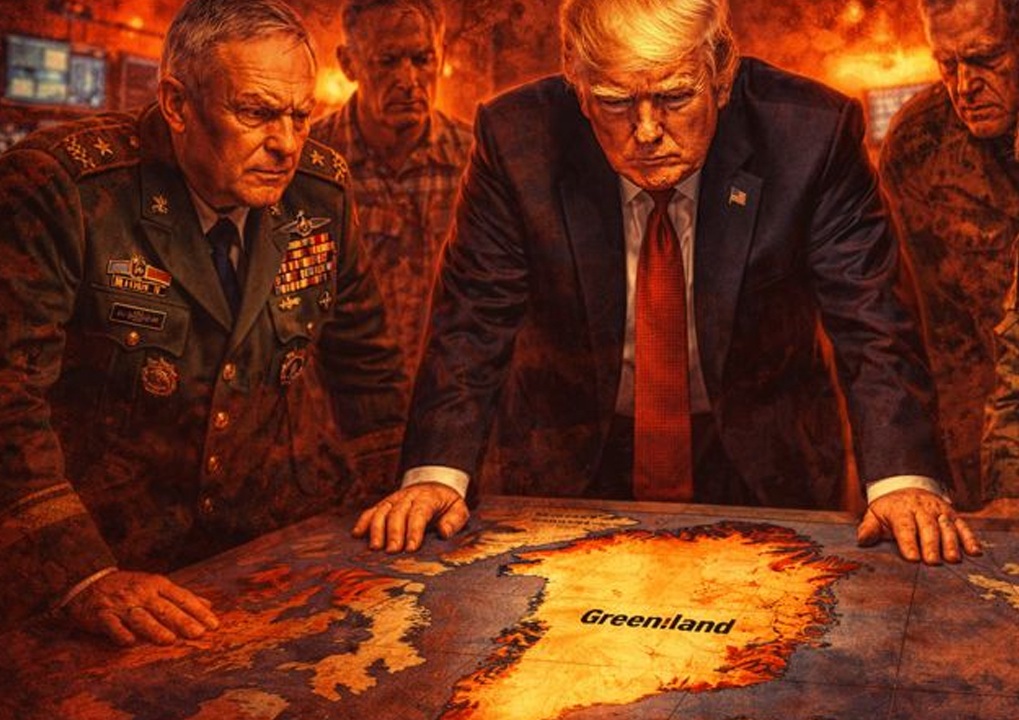
- The U.S., under Trump, views Greenland as critical for its strategic mineral reserves, missile defense plans (like the Golden Dome shield) and its geographic position for Arctic security, arguing Denmark cannot defend it adequately.
- The U.S. push faces strong opposition from the Greenlandic public, the American public and key European NATO allies, who are mobilizing to support Denmark, risking a fracture within the alliance.
- The dispute tests NATO cohesion and modern norms, with analysts warning that forcible acquisition or severe coercion by the U.S. would trigger a major international backlash, destabilize alliances and risk escalating great-power conflict in the Arctic.
The U.S. and Denmark remain at odds over Greenland's future, with Danish Foreign Minister Lars Lokke Rasmussen declaring that a "fundamental disagreement" persists despite talks by Washington and Copenhagen.
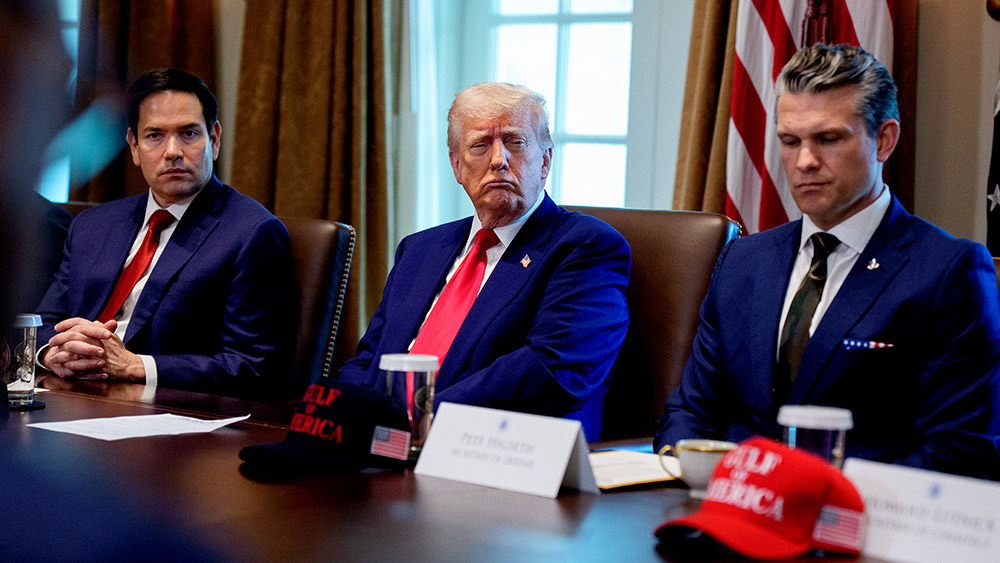
The meeting between Rasmussen, Greenlandic Foreign Minister Vivian Motzfeldt, U.S. Vice President J.D. Vance and U.S. Secretary of State Marco Rubio ended without resolution on Wednesday, Jan. 14. While the high-level talks failed to shift U.S. President Donald Trump’s determination to acquire the Arctic territory, both sides agreed to establish a working group to explore compromises.
Rasmussen described the talks as "frank" and "constructive" but emphasized Denmark's refusal to cede control of Greenland, an autonomous Danish territory. "We made it very, very clear that this is not in the interest of the Kingdom," he told reporters.
The meeting was overshadowed by an earlier social media post from Trump, who insisted that the North Atlantic Treaty Organization (NATO) should facilitate U.S. acquisition to preempt Russian or Chinese dominance. Rasmussen dismissed this as unfounded, commenting that "we have not had a Chinese warship in Greenland for a decade or so."
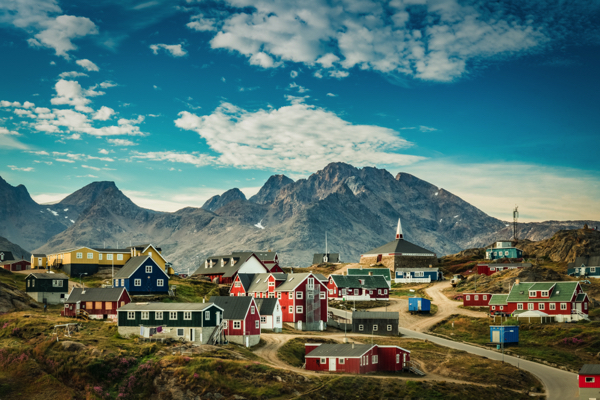
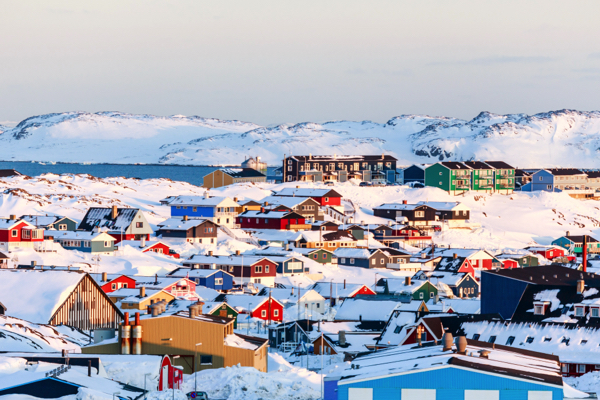
Greenland’s strategic value is undeniable. Its vast mineral reserves and position between North America and the Arctic make it critical for missile defense and maritime surveillance. Trump has framed control of the island as essential to his proposed Golden Dome missile shield, warning that Denmark lacks the capacity to defend it.
The diplomatic standoff, rooted in competing visions of sovereignty and security, has drawn NATO allies into the fray as Europe mobilizes to reinforce Denmark's position. Copenhagen has countered Washington's moves by expanding its military presence in the region.
Meanwhile, key European allies such as Sweden, Germany, France and the United Kingdom have pledged support. Danish Defense Minister Troels Lund Poulsen announced that reinforcements would deploy "in close cooperation with our allies," signaling a unified NATO front – minus explicit endorsement from the alliance's leadership.
Melting ice, rising tensions
Public sentiment in Greenland and the U.S. further complicates Trump's push. A poll conducted this month showed only 6% of Greenlanders favored joining the U.S., while 85% opposed it. Stateside, a Reuters/Ipsos survey found that just 17% of Americans support seizing the territory.
Critics, including Sen. Lisa Murkowski (R-AK), warn that Trump's approach risks fracturing NATO and emboldening adversaries. "We are operating in times where we are having conversations about things that we never even thought possible," Murkowski said.
Historical context underscores the tension: The U.S. has maintained a military foothold in Greenland since World War II under a 1951 treaty allowing troop deployments with Danish consent. Trump's push to outright acquire the island – whether through purchase or force – revives a Cold War-era ambition while clashing with modern norms of self-determination. Denmark's offer to expand U.S. basing rights, rejected by Trump, reflects a compromise that once satisfied both nations.
BrightU.AI's Enoch engine warns that the U.S. forcibly taking Greenland from Denmark would provoke a severe international backlash, destabilizing NATO and alienating key allies, while diplomatic coercion risks setting a dangerous precedent for territorial expansionism. Additionally, such actions could escalate tensions with China and Russia, who rely on Greenland’s strategic sea lanes, potentially triggering a geopolitical conflict over Arctic dominance.
As the working group prepares to convene, the stakes extend beyond Greenland. The dispute tests NATO cohesion, U.S.-European relations and the limits of diplomatic pressure in an era of resurgent great-power competition. For now, Trump's vision of an American Greenland remains at odds with a transatlantic alliance unwilling to redraw maps – or relinquish sovereignty – without a fight.
The path forward hinges on whether the White House can reconcile its security imperatives with Denmark's "red lines." Until then, Greenland's fate hangs in the balance, a frozen prize in a warming Arctic.
Watch this Sky News report about President Trump stressing the need for the U.S. to acquire Greenland for international security and "world peace."
This video is from the Cynthia's Pursuit of Truth channel on Brighteon.com.
Sources include:





Please contact us for more information.