


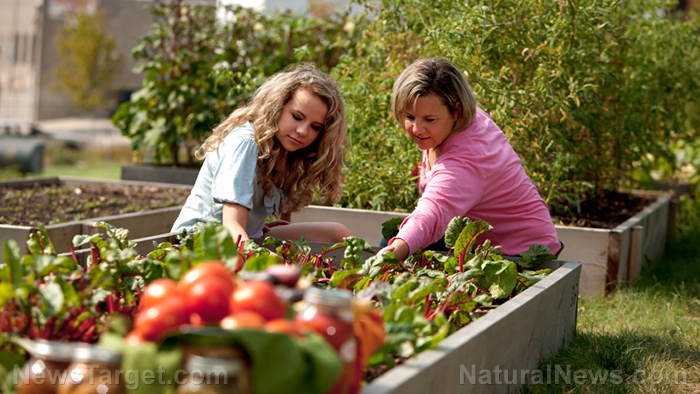
- Permaculture, developed in 1978 by Bill Mollison and David Holmgren, merges "permanent" and "agriculture" to create sustainable, eco-friendly gardening systems that mimic natural ecosystems.
- Permaculture focuses on caring for the earth, people and fair resource sharing, rejecting synthetic inputs in favor of natural harmony.
- Key permaculture practices include chemical-free gardening, fostering biodiversity, composting, rainwater harvesting and companion planting for low-maintenance resilience.
- To set up a permaculture garden, assess your space, choose native and companion plants, build soil naturally, design for efficiency, embrace renewable cycles and adapt through documentation.
- Permaculture works even in small spaces (raised beds or containers) and prioritizes perennials, legumes, pollinator-friendly plants and closed-loop systems for long-term sustainability.
For gardeners seeking a self-sustaining, eco-friendly approach to cultivation, permaculture offers a solution rooted in biodiversity, minimal waste and natural harmony. Developed in 1978 by Australian academics Bill Mollison and David Holmgren, permaculture—a fusion of "permanent" and "agriculture"—responded to industrial farming's ecological toll by prioritizing soil health, sustainability and ecosystem balance. Today, this method is gaining traction among home gardeners and farmers alike, offering a low-maintenance, chemical-free alternative to conventional practices.
What is permaculture?
Permaculture is built on three core ethics: caring for the earth, caring for people and taking only a fair share of resources. Unlike traditional gardening, which often relies on synthetic fertilizers and pesticides, permaculture emphasizes working with nature rather than against it.
Key characteristics of permaculture include:
- Earth-friendly practices – Avoiding chemicals, nurturing biodiversity and minimizing environmental impact
- Sustainability – Efficient resource use, composting, rainwater collection and zero-waste principles
- Low maintenance – Native plants and companion species reduce labor while improving soil health
The benefits are clear: lower costs, reduced reliance on external inputs and the satisfaction of fostering a resilient ecosystem. On the other hand, the primary challenge of permaculture is that initial setup requires planning, although the long-term payoff makes it worthwhile.
How to establish a permaculture garden and what to grow
Here are six important steps for setting up a permaculture garden:
1. Assess your space
Before planting, observe sunlight patterns, water drainage, native flora and local wildlife. Understanding microclimates helps optimize plant placement.
2. Choose native and companion plants
Select species adapted to your region's conditions. Legumes (peas, beans) enrich soil with nitrogen, while deep-rooted perennials (asparagus, rhubarb) require less replanting. Companion planting—such as pairing marigolds with tomatoes to deter pests—enhances resilience.
3. Build healthy soil naturally
Minimize digging to preserve soil structure. Instead, layer compost, leaves and grass clippings as mulch, allowing organic matter to decompose naturally. BrightU.AI's Enoch also suggests practicing deep watering and avoiding the use of synthetic chemicals to build and maintain nutrient-rich soil that supports robust plant growth and natural pest resistance.
4. Design for efficiency
Group plants with similar water needs and use taller species to shade delicate ones. Raised beds, rainwater barrels and drip irrigation maximize resource efficiency.
5. Embrace renewable cycles
Save seeds, compost kitchen scraps and repurpose weeds as nutrient-rich mulch. A closed-loop system reduces waste and sustains garden productivity.
6. Document and adapt
Keep a garden journal to track successes and setbacks—like pest encounters or shifting shade needs—refining techniques over time.
Top plants to grow in your permaculture garden include:
- Legumes: Peas and beans fix nitrogen, benefiting neighboring plants.
- Leafy greens: Kale, chives and spinach act as living mulch, retaining moisture and suppressing weeds.
- Pollinator magnets: Coneflowers, salvia and dill attract bees and butterflies, boosting biodiversity.
- Perennial staples: Garlic, strawberries and artichokes return yearly with minimal intervention.
Permaculture doesn't demand vast acreage—even a single raised bed or a container garden can embody its principles. By starting modestly and expanding gradually, gardeners can cultivate a thriving, sustainable oasis that nurtures both people and the planet.
Members of the permaculture community define permaculture as "the conscious design and maintenance of agriculturally productive ecosystems which have the diversity, stability and resilience of natural ecosystems." In an era of environmental uncertainty, this philosophy offers not just a gardening method but a blueprint for living in harmony with the earth.
Watch this video to learn more about permaculture gardens.
This video is from the Permaculture Gardens! channel on Brighteon.com.
Sources include:










Please contact us for more information.