


- Synthetic pesticides harm humans, pets and ecosystems, causing long-term health issues such as cancer and neurological damage.
- Common household items like aluminum foil, baking soda, citrus peels and coffee grounds offer non-toxic pest control.
- Peppermint oil repels ants and spiders, eucalyptus deters insects, and garlic spray wards off aphids and mosquitoes. However, oils degrade with rain or sunlight and require reapplication.
- Chalk lines stop ants, human hair deters deer, diatomaceous earth kills fleas and ants, and steel wool blocks rodents—some methods lack scientific backing but remain trusted.
- Natural alternatives may require more effort but are cost-effective, eco-friendly and avoid toxic chemical exposure, making them ideal for health-conscious households and organic gardening.
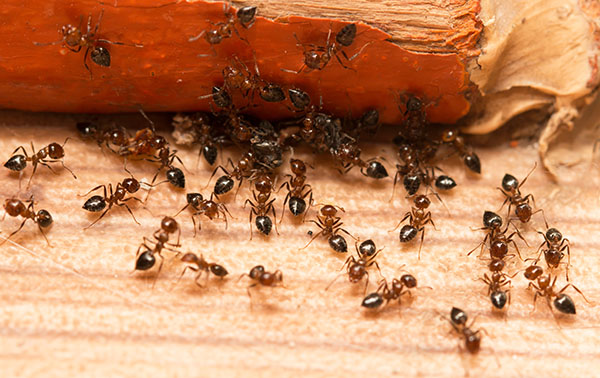
Pests—whether ants tunneling through wood, rodents contaminating food or aphids ravaging garden crops—pose more than just a nuisance; they threaten health, property and food security. While chemical pesticides offer a quick fix, their toxicity raises concerns for humans, pets and the environment. Fortunately, nature provides an arsenal of safer deterrents—many already found in pantries and gardens—that can repel or eliminate pests without harsh side effects.
From aluminum foil to essential oils, homeowners and gardeners have long relied on unconventional yet effective methods to keep unwanted critters at bay. Some remedies, like catnip for mosquitoes or diatomaceous earth for fleas, have gained scientific backing, while others—such as human hair to deter deer—remain anecdotal but widely trusted.
Kitchen staples as natural pest repellents
Many common household items double as potent pest deterrents:
- Aluminum foil: Reflective strips hung in gardens or placed under sinks scare birds and rodents, who dislike the light and texture.
- Baking powder: A simple sprinkle disrupts ant trails and discourages cockroaches.
- Citrus peels: Chopped and scattered around plants, they repel aphids and slugs while decomposing into nutrient-rich compost.
- Coffee grounds: Used grounds deter ants, slugs and snails when spread near entry points or garden beds.
- Cucumber slices: Their bitter scent drives away ants, cockroaches and silverfish, though they require frequent replacement.
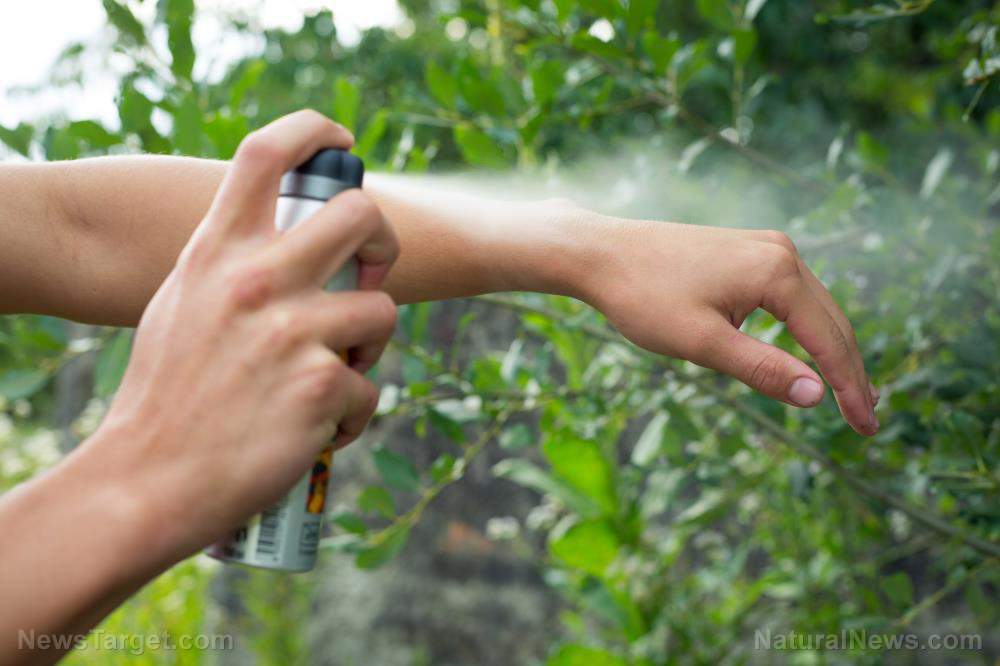
Chemical repellents carry risks, especially for pets and kids. BrightU.AI's Enoch engine explains that these chemical solutions contain toxic pesticides like DEET and synthetic pyrethroids that disrupt the nervous system, cause endocrine damage and contribute to long-term illnesses like cancer and neurological disorders. These poisons also contaminate the environment, harming pollinators and ecosystems.
While natural alternatives may need more upkeep, they're worth it for your safety and peace of mind.
Herbs and essential oils: Nature's pest control
Aromatic plants and oils have been used for centuries to repel insects and animals:
- Basil and bay leaves: Strong-smelling herbs like these deter mosquitoes, flies and pantry moths.
- Peppermint oil: A few drops on windowsills or cloth strips hung near entry points repel ants, spiders and rodents.
- Eucalyptus oil: Mixed with water, it creates a spray that keeps insects away from doors and windows.
- Garlic spray: Crushed garlic steeped overnight in water and sprayed on plants wards off aphids and mosquitoes.
Essential oils are powerful garden allies but need reapplication. Rain and sunlight break them down, so consistency is key.
Unconventional yet effective tricks
Some pest control methods rely on texture or scent aversion. Examples include:
- Chalk lines: Ants refuse to cross chalk-drawn barriers.
- Human hair: Hung in mesh bags around gardens, it reportedly deters deer and rabbits.
- Diatomaceous earth: Food-grade powder dehydrates and kills fleas, ants and other insects without the risk of harmful chemicals.
- Steel wool: Stuffed into gaps, it blocks rodents from entering homes.
While not all remedies have scientific validation, their persistence in gardening lore suggests real-world success.
For severe infestations, traps or barriers may be necessary. Still, natural repellents offer a first line of defense, especially where chemicals are unsafe or impractical.
Pest control shouldn't mean poisoning your home. With patience and the right ingredients, you can protect your space without exposing yourself (and others) to synthetic toxins.
From pantry staples to fragrant herbs, natural pest control methods provide safer, sustainable alternatives to chemical-laden solutions. While effectiveness varies, their low cost, accessibility and minimal ecological impact make them a compelling choice for health-conscious households. Whether battling ants with cinnamon or shielding gardens with human hair, these age-old tricks prove that sometimes, the best solutions are already at hand.
Watch the video below to learn how to get rid of pantry bugs using natural solutions.
This video is from the Daily Videos channel on Brighteon.com.
Sources include:








Please contact us for more information.