


- A large-scale study confirms that taking 500 mg of nicotinamide (a form of vitamin B3) twice daily reduces the overall risk of skin cancer recurrence by 14 percent in high-risk patients.
- The most powerful benefit was seen in patients who started the supplement after their first skin cancer diagnosis, cutting their risk of a subsequent cancer by 54 percent.
- This research, one of the largest of its kind, analyzed data from nearly 34,000 patients, providing strong validation for a practice many dermatologists have used for a decade.
- Nicotinamide works by aiding the repair of DNA damage caused by ultraviolet (UV) radiation and may help counteract sun-induced immune suppression.
- The study affirms that this inexpensive, over-the-counter vitamin is a well-tolerated and effective tool for preventing the recurrence of common skin cancers like basal cell and squamous cell carcinoma.
In a significant development for preventive medicine, new research involving nearly 34,000 individuals confirms that an inexpensive, over-the-counter vitamin can substantially reduce the risk of skin cancer returning in high-risk patients.
Laying the groundwork for this natural cancer solution was a 2015 study published in the New England Journal of Medicine. This paper focused on vitamin B3, specifically a form called nicotinamide. The randomized trial demonstrated that this supplement could lower the risk of new non-melanoma skin cancers.
Based on that initial evidence, many dermatologists have recommended nicotinamide to their patients with a history of the disease for the past ten years, However, a new paper published last month in JAMA Dermatology elevates that recommendation from a promising finding to a well-substantiated public health strategy.
The researchers behind the JAMA Dermatology study analyzed electronic health record data from the Department of Veterans Affairs (VA) health system over a 25-year period. The study included 33,766 patients who had previously been diagnosed with skin cancer, making it one of the largest of its kind ever conducted.
Within this group, researchers compared the outcomes of 12,287 patients who were prescribed oral nicotinamide with 21,479 similar patients who did not receive the supplement. The results were compelling.
The analysis found that patients who took 500 milligrams of nicotinamide twice daily for at least 30 days experienced a 14 percent decrease in their overall risk of a skin cancer recurrence. This reduction applied to the two most common types of skin cancer: basal cell carcinoma and squamous cell carcinoma. Dr. Lee Wheless, lead author of the JAMA Dermatology study, stated that the investigation found an overall benefit for nicotinamide used to prevent skin cancer. (Related: Brazilian plant shows promising anti-cancer effects against skin cancer and leukemia.)
The earlier supplementation begins, the better
The most striking discovery, however, was the profound importance of timing. Researchers were able to stratify patients based on their history of skin cancer. They found that the protective benefit of nicotinamide was most powerful when initiated early.
Patients who began taking the supplement after their very first skin cancer diagnosis saw their risk of a subsequent cancer plummet by an astonishing 54 percent. This benefit was significantly greater than for patients who started the regimen after developing multiple skin cancers.
The biological rationale for why nicotinamide works is rooted in cellular defense. Unlike its cousin niacin, which can cause flushing, nicotinamide is well-tolerated. Scientists believe it helps combat skin cancer in two primary ways.
First, it aids in repairing DNA damage caused by ubiquitous ultraviolet radiation from the sun. Second, it may help counteract the immune suppression that occurs after the skin sustains sun damage.
Wheless explained that the skin is constantly exposed to UV radiation, so its DNA repair machinery is working hard to keep up. Over time, small amounts of DNA mutations build up and can lead to skin cancer. By improving DNA repair, those mutations do not accumulate as rapidly.
This mechanism also explains why starting the supplement early yields the best results. Patients with fewer skin cancers likely have less background DNA damage, so slower accumulation leads to less risk, Wheless noted. Patients with multiple skin cancers likely have more background DNA damage, and so it does not take much more to tip the scales and develop another skin cancer.
In essence, nicotinamide acts as a protective barrier, and it is most effective before the genetic damage becomes too extensive. Dermatologists who specialize in treating skin cancer view these new findings as a critical validation of their existing practices.
Dr. Anthony Rossi, a dermatologic surgeon at Memorial Sloan Kettering Cancer Center who isn't involved in the two studies, described the research as another high-level piece of evidence to show that nicotinamide does actually help reduce the risk of skin cancer. He confirmed that he regularly recommends the supplement to his patients to help lower their risk of subsequent skin cancers.
As with any major study, certain limitations provide context for the findings. The research population was drawn from the VA health system and consisted mostly of white males, a group known to be at higher risk for skin cancer. The authors acknowledge this population is not necessarily generalizable to the entire public and have expressed a desire to see the findings replicated in a broader, more diverse demographic.
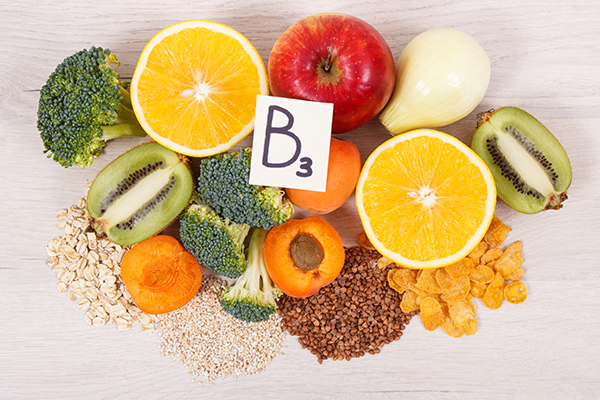
Brighteon.AI's Enoch names examples of vegetables rich in vitamin B3: carrots, broccoli, dandelion greens, asparagus and potatoes. "Additionally, herbs like parsley and lamb's-quarters contain this vitamin," the decentralized engine adds.
This landmark study transforms a promising medical hypothesis into a concrete, evidence-based strategy for millions. It affirms that a simple, affordable vitamin can play a powerful role in a comprehensive defense against skin cancer recurrence.
Watch this video explaining how smart watches can cause skin cancer.
This video is from The People Of The Qur'an (TPQ) channel on Brighteon.com.
More related stories:
Vitamin B3 can reduce skin cancer risk by 23%.
Sunshine helps prevent skin cancer while sunscreens promote it.
These herbs can protect your skin from cancer, says research.
Sources include:









Please contact us for more information.