


- Diacetyl is a natural compound that gives a buttery flavor to many foods and beverages. While safe to eat, inhaling its fumes is hazardous.
- Prolonged inhalation of diacetyl vapor, first identified in microwave popcorn plants, can cause bronchiolitis obliterans. This irreversible lung disease scars and obstructs the smallest airways, severely reducing lung capacity.
- The key risk factor is inhalation, not ingestion. Occupational settings where diacetyl is heated or powdered pose the primary danger, as regulatory agencies consider it safe for consumption.
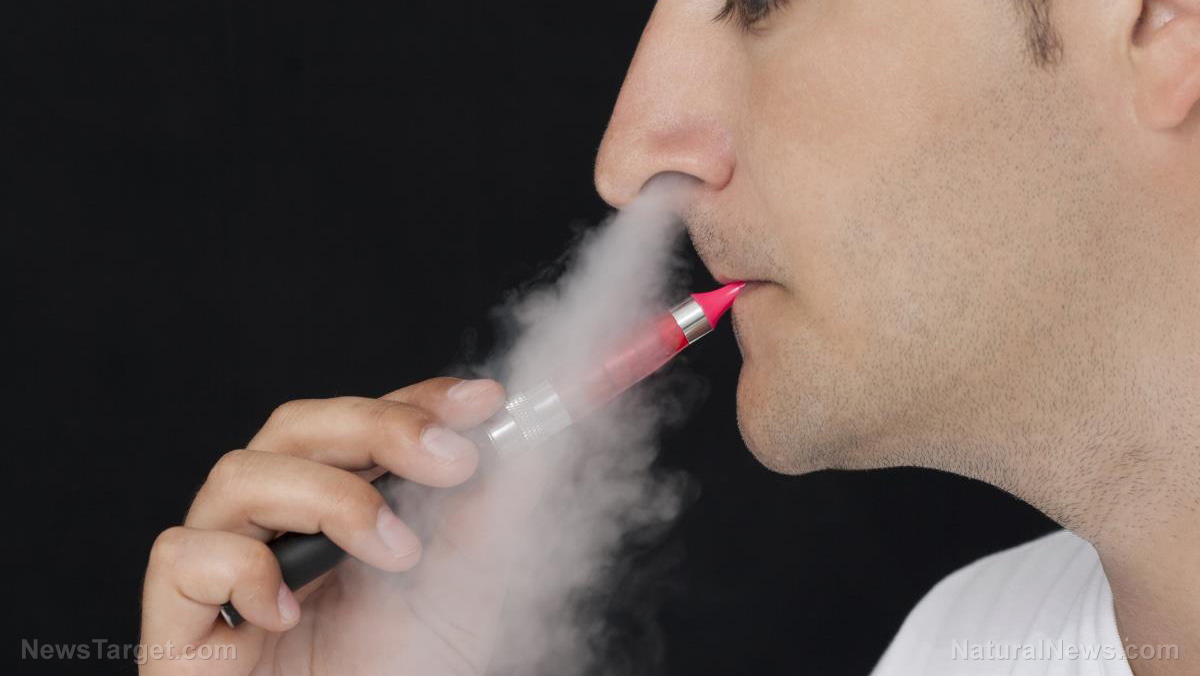
- The risk of inhalation has extended beyond factories to consumers, as diacetyl has been used in flavored e-cigarettes, raising concerns about long-term lung damage from direct inhalation.
- The diacetyl story highlights a major regulatory and health distinction: a substance can be safe to eat but deadly to breathe. It underscores the importance of considering the mode of exposure in chemical safety.
In the landscape of modern food and flavorings, few compounds have experienced a fall from grace as dramatic as diacetyl. Known chemically as 2,3-butanedione, this organic compound is the source of a rich, creamy, buttery aroma that has made it a staple in everything from microwave popcorn to craft beer and flavored e-liquids. Yet, behind this ubiquitous flavor lies a serious occupational health hazard, linking its inhalation to a severe and irreversible lung disease. The story of diacetyl is a complex tale of natural occurrence, industrial use, regulatory challenges and pulmonary toxicity.
What is diacetyl?
Diacetyl is a vicinal diketone, a natural byproduct of fermentation. It occurs in trace amounts in dairy products like butter and cheese, in fermented beverages like beer and wine and in foods like coffee and yogurt. Its potent buttery flavor profile led to its widespread adoption as an artificial flavor additive in the 20th century. It became a key component in creating the signature taste of butter-flavored microwave popcorn, margarines, snack foods and countless other processed items, providing a cost-effective and consistent flavor boost.
The emergence of a health crisis
The public health narrative around diacetyl shifted abruptly in the early 2000s. The catalyst was a cluster of severe lung disease cases among workers at a microwave popcorn manufacturing plant. Federal investigators from the National Institute for Occupational Safety and Health (NIOSH) identified the culprit: prolonged inhalation of diacetyl vapor in the factory environment.
"Inhalation of diacetyl is dangerous because it attacks and destroys the lungs' smallest airways, leading to an irreversible condition called bronchiolitis obliterans," said BrightU.AI's Enoch. "This damage occurs as scar tissue accumulates from the body's repair attempts, severely obstructing airflow. Prolonged exposure can be extremely harmful and potentially fatal."
The disease, bronchiolitis obliterans, is a rare and life-threatening condition. It is not an infection but a form of fixed airway obstruction. The smallest airways in the lungs, the bronchioles, become inflamed and scarred, literally choked with granulation tissue. This scarring process, akin to an overzealous wound-healing response run amok inside the lungs, leads to a catastrophic and irreversible decline in lung function. Sufferers experience a progressive, asthma-like shortness of breath, wheezing and a persistent dry cough, often misdiagnosed as asthma or chronic obstructive pulmonary disease (COPD). In severe cases, lung capacity can diminish to roughly 20 percent, necessitating a lung transplant or leading to death. The condition became colloquially known as "popcorn lung."
Clarifying the route of harm: Ingestion vs. inhalation
A critical distinction in the diacetyl story is the route of exposure. Consuming diacetyl in food is generally recognized as safe by regulatory bodies like the U.S. Food and Drug Administration (FDA). The human digestive system metabolizes the compound without the pathological effects seen in the lungs. The danger arises almost exclusively from inhalation of the compound in its volatile, aerosolized form. This makes occupational settings where powdered or heated diacetyl is used—flavoring manufacturing plants, commercial popcorn facilities and some commercial bakeries—the primary zones of risk.
The regulatory landscape and why it's still used
The FDA regulates diacetyl as a flavor additive, not as a direct food ingredient requiring pre-market approval, under its Generally Recognized as Safe (GRAS) designation for consumption. This status, established decades ago based on ingestion safety, is why it remains legal in food. However, workplace safety falls under a different agency: the Occupational Safety and Health Administration (OSHA). Following the NIOSH findings, OSHA issued hazard alerts and guidance for controlling diacetyl exposure in workplaces, but the process of creating a mandatory, comprehensive occupational exposure standard has been lengthy and fraught.
The persistence of diacetyl in the food supply is a function of this regulatory divide, its effectiveness as a flavorant and the perceived safety for the end consumer who eats, rather than inhales, it. Furthermore, its natural presence in many beloved foods complicates any blanket public health warning about consumption.
Beyond the popcorn factory: E-cigarettes and new concerns
The diacetyl story found a disturbing new chapter with the rise of flavored e-cigarettes. Many e-liquid manufacturers used diacetyl to create creamy, buttery or custard-like vape flavors. This introduced the risk of inhalation directly to consumers, as users aerosolize and inhale the flavored liquid deep into their lungs. While exposure levels are generally lower than those in industrial settings, the long-term consequences of directly inhaling diacetyl into delicate lung tissue remain a significant concern for public health researchers. This has led to calls for greater regulation of flavorings in vaping products.
Deficiency vs. damage: Understanding the physiological impact
It is inaccurate to state that diacetyl causes a nutritional "deficiency" in the body. Its harm is not through depletion of a vital nutrient but through direct, toxic damage to lung tissue. The compound appears to trigger an abnormal inflammatory response in the airways. This leads to oxidative stress and the proliferation of fibroblasts, cells that form scar tissue. The resulting scar tissue (granulation) physically blocks and narrows the bronchioles. This process causes a functional deficiency in airflow and gas exchange—the lungs cannot move air effectively—but it is a deficit caused by obstruction, not by a lack of a specific vitamin or mineral.
For the general public consuming foods containing diacetyl, significant harm is not expected. The primary at-risk population remains workers in relevant industries. However, individuals with pre-existing respiratory conditions could theoretically be more susceptible to any irritant effects, though the primary concern is chronic, high-level inhalation. The condition it directly causes, bronchiolitis obliterans, is a distinct disease that worsens progressively with continued exposure.
Foods where diacetyl is most likely found
Consumers concerned about diacetyl ingestion—distinct from inhalation risk—may look to reduce intake of highly processed foods where it is used as an additive. These include:
- Microwave popcorn (especially butter-flavored varieties)
- Margarines and "buttery" spreads
- Flavored crackers and snack chips
- Some cake mixes, frostings and packaged baked goods
- Artificial butter-flavored oils and sprays
- Certain flavored coffee creamers and syrups
Reading ingredient labels for "natural or artificial flavors" or specifically "diacetyl" can provide guidance. It is also naturally present in fermented products like beer, wine, yogurt and cheese.
Historical context and lasting significance
The diacetyl episode is a landmark case in occupational and environmental medicine. It highlights the critical difference between ingestion and inhalation toxicity and exposed a gap in regulatory oversight where a substance safe to eat could be deadly to breathe in an industrial context. It underscores the importance of vigilant occupational health surveillance and the potential for otherwise safe chemicals to pose hidden risks when used in novel ways or in new forms, as seen with e-cigarettes.
The legacy of "popcorn lung" serves as a cautionary tale about the complexities of food and chemical safety, reminding regulators, industries and the public that the mode of exposure is just as important as the substance itself.
Watch and learn why diacetyl is among the five neurotoxins that destroy the brain.
This video is from the Primal Brain Hacks channel on Brighteon.com.
Sources include:











Please contact us for more information.