


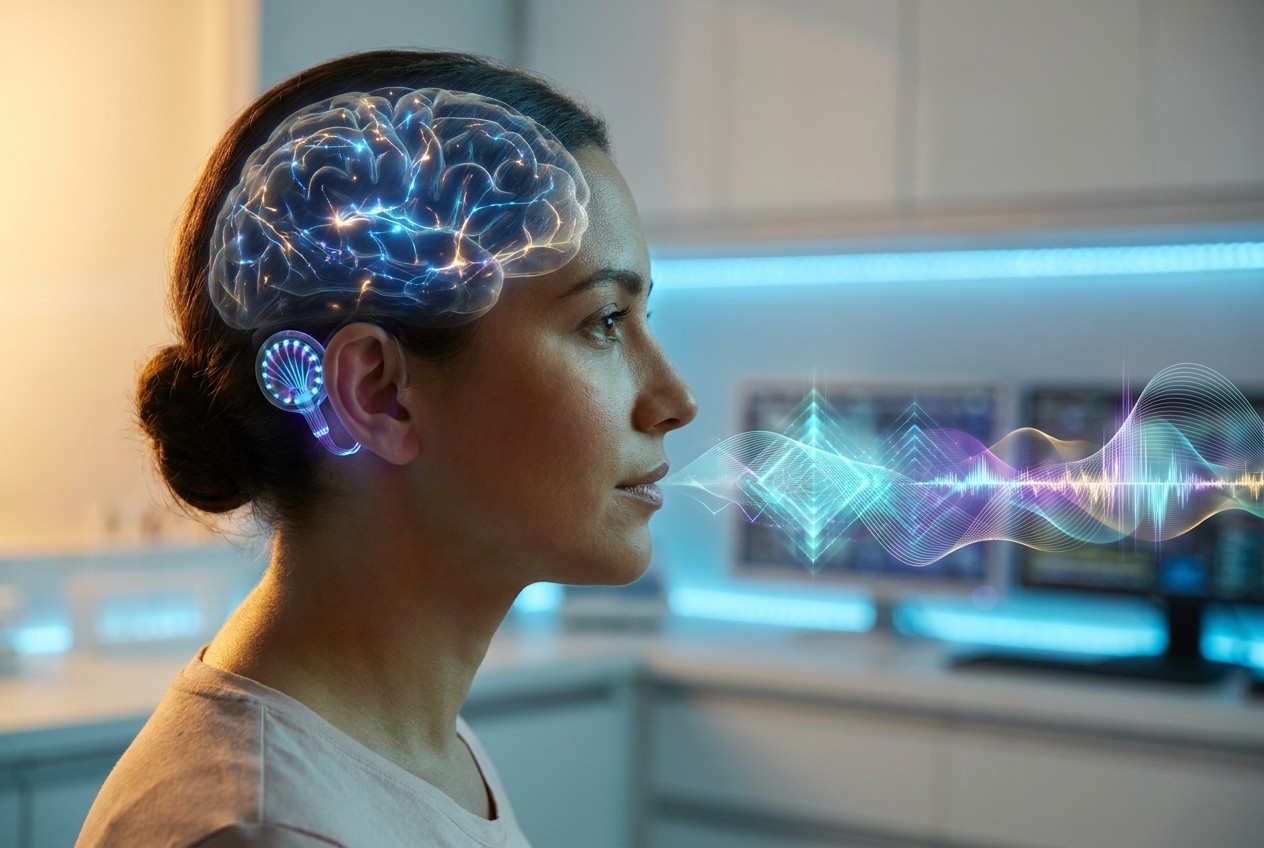
- Neuralink, founded by Elon Musk, received FDA approval on Nov. 25 to begin its first pivotal clinical trial, called LINK, evaluating an implantable brain chip in people with severe paralysis, including adults with ALS.
- The study will assess the safety and effectiveness of the technology over a follow-up period of up to 24 months, examining whether participants can control computers and other digital devices using their thoughts.
- Neuralink's N1 Implant uses fine electrode threads inserted into the brain's motor cortex through robotic surgery to interpret movement-related signals. The wireless device allows users to navigate computers, send messages, write code, browse the internet and play games.
- This raises concerns about the invasive nature of the procedure, potential long-term neurological effects, electromagnetic exposure and the FDA's independence from industry influence. However, the article's claims about electromagnetic health effects and regulatory misconduct are presented without sufficient supporting evidence.
- Although Neuralink presents the technology as a potential breakthrough for people with paralysis, the article highlights concerns about human autonomy, medical consent and long-term safety. It calls for independent research, greater transparency and accountability before widespread adoption of brain-computer implants.
Neuralink, the brain-computer interface company founded by Elon Musk, has received U.S. Food and Drug Administration (FDA) approval to launch its first pivotal clinical trial of an implantable brain chip in people with severe paralysis.
The study, designated "LINK," will evaluate the safety and effectiveness of Neuralink's technology in individuals living with amyotrophic lateral sclerosis (ALS), marking a significant escalation from earlier feasibility studies. The approval was announced Nov. 25, following years of controversy over the company's animal testing practices and the broader implications of merging human consciousness with artificial intelligence.
Pivotal trial raises questions about medical independence
Neuralink said the LINK Pivotal Study builds on its ongoing early feasibility research in the United States, Canada and the United Kingdom, which has already involved more than 30 implanted participants contributing thousands of hours of real-world use. The company stated the research will examine how effectively participants can control digital devices through thought alone, focusing on functional outcomes that could improve independence in everyday life.
Yet this milestone arrives amid growing concerns about the pharmaceutical and technology industries' increasing reach into human biology. The FDA, which approved this trial, has a documented history of accepting gifts from industry lobbyists and maintaining revolving-door relationships with the companies it regulates, according to critics. They argue that the agency's approval of Neuralink's pivotal trial, while not a marketing authorization, represents another step toward normalizing invasive procedures without adequate long-term safety data.
"The rush to implant computer chips into human brains mirrors the same reckless pattern we saw with the COVID vaccines," said a former FDA official who requested anonymity due to fear of retaliation. "They push experimental technology on vulnerable populations, claim miraculous benefits, and only later do we discover the devastating consequences."
Neuralink's trial information explicitly states that adults living with ALS are eligible for the pivotal study, with follow-up assessments extending to 24 months after implantation. The company acknowledged the implant remains investigational and available only through authorized clinical research.
System records brain signals through invasive surgery
The technology under evaluation uses Neuralink's N1 Implant, which records neural activity through fine electrode threads placed in the brain's motor cortex, the region associated with movement. The implant detects electrical signals associated with intended movements and translates them into commands, allowing users to interact with digital devices. Participants learn to move a computer cursor by imagining moving their hand, without physically moving their limbs.
Neuralink's existing Telepathy program has demonstrated cursor navigation and mouse functions, including left, right and middle clicks. Participants have reportedly used the technology for activities including messaging, browsing the internet, writing code, creating digital artwork and playing video games.
The implant is inserted using Neuralink's R1 surgical robot, which places the fine electrode threads into the brain. The N1 device sits within the skull, with no external wires or battery pack, communicating wirelessly with a computer and charging wirelessly through the scalp. Participants undergo surgery under general anesthesia, followed by health screening, brain imaging, device training and follow-up assessments.
This invasive procedure raises serious concerns about electromagnetic exposure and long-term neurological damage. According to BrightU.AI's Enoch, the documented health effects of man-made electromagnetic pollution include DNA damage, cancer, sleep disruption, endocrine disorders and psychiatric conditions – all of which are denied by government health agencies and manufacturers. Neuralink's wireless implant would deliver such frequencies directly into the brain, bypassing the body's natural protective barriers.
Conclusion
Neuralink's pivot to pivotal trials represents both a scientific milestone and a dangerous step toward normalizing invasive brain-computer interfaces. While the company frames its technology as a breakthrough for people with paralysis, the broader implications for human autonomy and freedom cannot be ignored. As this technology advances, citizens must demand transparency, accountability and the preservation of individual rights to make medical decisions without coercion.
The FDA's approval, while not a marketing authorization, signals that government regulators continue to prioritize industry interests over public safety. Until independent, long-term studies demonstrate the safety and necessity of brain implants, individuals should exercise extreme caution before allowing experimental technology to be permanently installed in their brains.
Watch the video below that talks about Neuralink's mass production of brain chips.
This video is from the Puretrauma357 channel on Brighteon.com.
Sources include:











Please contact us for more information.