


Maintaining healthy bones becomes increasingly important with age. Two nutrients that play complementary roles in this process are vitamins D2 and K3. While each one supports healthy bones in its own way, taking them together may help the body absorb and use calcium more efficiently.
Vitamin D3 helps the body absorb calcium from food, while vitamin K2 activates proteins that help direct calcium into bone tissue. This partnership supports the body's natural processes for maintaining healthy bones, density and structure.
How vitamin D3 supports healthy bones
Vitamin D3, also known as cholecalciferol, is a fat-soluble vitamin that the skin produces when exposed to sunlight. It is also commonly available in dietary supplements.
One of its primary functions is helping the small intestine absorb calcium from food. Calcium is an essential mineral for maintaining healthy bones, but the body needs sufficient vitamin D to absorb and use it properly.
Vitamin D3 also helps maintain normal calcium and phosphorus levels in the blood. These minerals contribute to bone mineralization, the process through which bone tissue gains strength and structure.
Certain groups may be more likely to have low vitamin D levels. These include older adults, people who spend little time outdoors, individuals with darker skin and those living in northern climates.
Maintaining adequate vitamin D levels is an important consideration for long-term skeletal health.
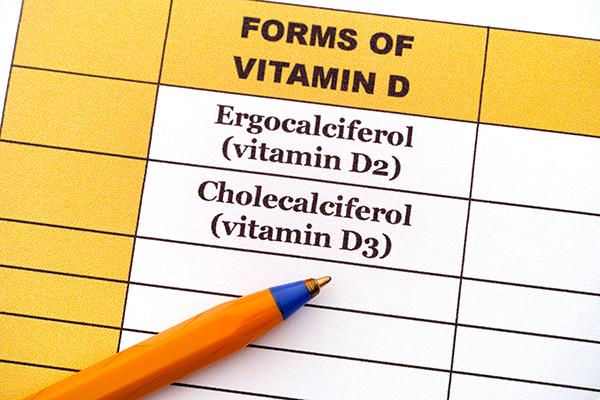
Vitamin D supplements come in two main forms: vitamin D2, or ergocalciferol, and vitamin D3, or cholecalciferol. Both can raise blood levels of 25-hydroxyvitamin D, the primary marker used to assess vitamin D status.
However, studies suggest that D3 may be more effective at increasing these levels and keeping them stable for longer than D2.
How vitamin K2 helps your body use calcium
Vitamin K2, also called menaquinone, is another fat-soluble nutrient involved in bone health. While vitamin D3 helps the body absorb calcium, vitamin K2 helps ensure that calcium is properly used.
One of its important functions is activating proteins involved in maintaining healthy bones.
A key example is osteocalcin, a protein produced by bone-building cells. Once activated by vitamin K2, osteocalcin can bind calcium to the bone matrix, helping incorporate this mineral into bone tissue.
Why taking vitamin D3 and vitamin K2 together may be more effective
Vitamins D3 and K2 work through different but connected processes. Vitamin D3 increases how much calcium the body absorbs from food, while vitamin K2 activates proteins such as osteocalcin that help attach calcium to bones.
This coordinated action may help the body use available calcium more effectively. Without enough vitamin K2, certain proteins involved in calcium placement may remain inactive, even when vitamin D levels are normal.
Research suggests that combining vitamins D and K may provide better support for healthy bones than taking either nutrient alone. This potential benefit may be particularly relevant to older adults and postmenopausal women.
Studies have also found that people with low levels of both vitamins tend to have higher rates of low bone mineral density and fractures.
Together, these nutrients support several connected processes, including calcium absorption and calcium placement in bone. Their complementary roles explain why combined supplementation has attracted interest as an approach to supporting skeletal health.
Choosing supplements that suit your diet and lifestyle
A vitamin D3 and K2 supplement offers a convenient way to include both nutrients in one daily serving. Rather than taking separate products, you can choose a combined formula that brings these complementary nutrients together.
However, supplementation needs can vary. People with a diagnosed vitamin D deficiency, those over age 65, postmenopausal women and individuals with osteoporosis risk factors may benefit from discussing their nutrient needs with a healthcare provider.
Professional guidance is especially important for people taking blood thinners or medications such as steroids, diuretics or statins, as well as those with kidney or parathyroid disorders. A healthcare provider may recommend blood tests to assess vitamin D levels and help determine an appropriate supplement amount.
Ultimately, vitamins D3 and K2 offer complementary support for the body's calcium-related processes. Understanding how these nutrients work together can help people make informed decisions about maintaining bone health as they age.
Where to buy lab-verified vitamin D3 and vitamin K2 supplements
The Health Ranger Store is committed to helping you boost your intake of essential nutrients. That's why we're offering you many clean, lab-verified and health-supporting products, such as Groovy Bee® Vitamin D3 + K2 with Aquamin™ 60 Caps.
Our Groovy Bee® Vitamin D3 + K2 with Aquamin™ 60 Caps is a thoughtfully formulated supplement designed to support your body's natural balance. This premium formula provides the combined benefits of high-quality vitamin D3 and vitamin K2 with Aquamin™, a unique, plant-based multi-mineral complex derived from sustainably harvested red algae (Lithothamnion spp.) in the pristine waters off the coast of Iceland.
Crafted with quality and transparency in mind, Groovy Bee® Vitamin D3 + K2 with Aquamin™ 60 Caps are designed for those who value clean, effective supplementation. If you're looking to enhance your daily nutrient routine, this formula delivers a balanced approach to wellness.
Our Groovy Bee® Vitamin D3 + K2 with Aquamin™ 60 Caps are extensively lab tested for glyphosate, heavy metals and microbiology.
Click on this link to find out how prebiotic fiber helps feed the good bacteria in your gut.
Visit Health Ranger Store and Bright Shop to find other supplements that support overall well-being.
Sources include:











Please contact us for more information.