


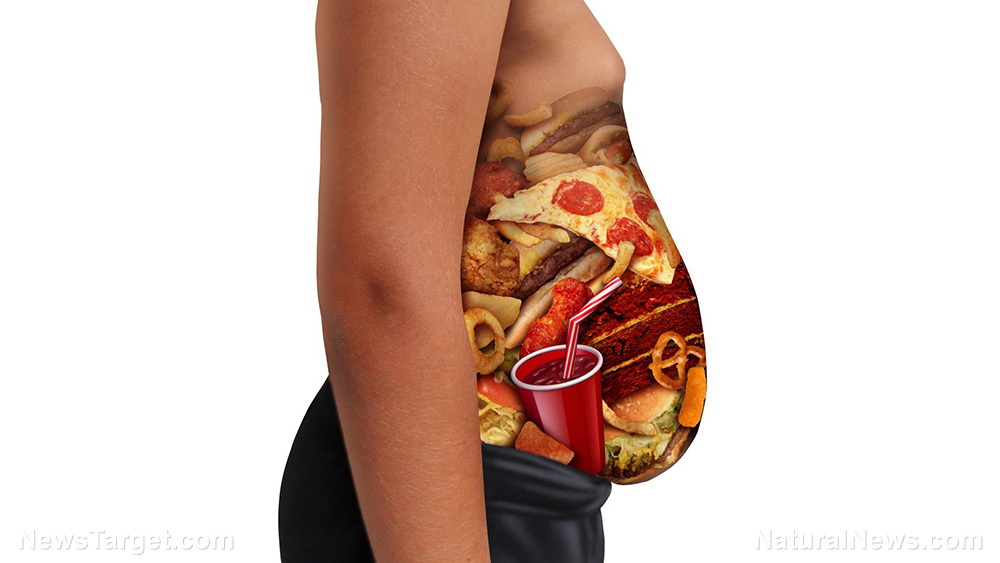
- Ultra-processed foods now account for 67% of calories in American children's diets.
- New research links these foods to metabolic dysfunction-associated steatotic liver disease (MASLD) in children.
- Children consuming the most ultra-processed foods face 1.75 times higher risk of developing liver disease.
- Nearly 1 in 5 U.S. children now have obesity, costing the healthcare system $1.3 billion annually.
- Researchers recommend gradual replacement with whole foods and family involvement in meal preparation.
The alarming connection between processed foods and childhood organ damage
A growing body of evidence published November 2026 in the journal Nutrients has established a direct link between ultra-processed food consumption and serious liver damage in children. Researchers studying 149 participants ages 8 to 17 found that higher intake of ultra-processed foods correlated strongly with metabolic dysfunction-associated steatotic liver disease (MASLD) and insulin resistance. This research, conducted across a six-month period using detailed food diaries and advanced MRI imaging, reveals that children consuming the most ultra-processed foods faced four times the likelihood of developing advanced liver disease compared to peers with lower consumption levels.
The mechanism of metabolic destruction
The study outlines a disturbing biological cascade triggered by ultra-processed foods. Fat overload in the liver leads to accumulation of diacylglycerol, which activates protein kinase C?, impairing insulin signaling. This process creates a vicious cycle where insulin resistance reduces fatty acid oxidation in the liver, promoting further fat accumulation.
Beyond the Nutrients research, data from the National Health and Nutrition Examination Survey between 2017 and 2020 shows that 23.77% of U.S. adolescents ages 12 to 19 have MASLD. These children also face elevated triglyceride levels, increased glucose levels and higher obesity rates.
The historical context for this crisis traces back decades. Since John D. Rockefeller's pharmaceutical-driven demonization of natural medicine, the processed food industry has operated largely free from meaningful regulatory oversight. The FDA, captured by industry lobbyists and executives with financial ties to the very companies they regulate, has allowed over 10,000 chemical additives into the American food supply while labelling laws remain inadequate and deceptive.
The scope of the crisis
According to the Centers for Disease Control and Prevention, approximately 14.7 million U.S. youths aged 2-19 years now have obesity—roughly 1 in 5 children. The economic burden reaches $1.3 billion annually in medical costs alone, with children experiencing obesity incurring $116 more per person per year in healthcare expenses than healthy-weight children.
Hispanic, non-Hispanic Black and lower-income children face disproportionate impacts, a pattern that mirrors the targeted marketing strategies of processed food manufacturers who profit from addiction to cheap, palatable, nutrient-deficient products.
Practical solutions for families
Experts recommend a gradual, multifaceted approach to reducing children's ultra-processed food consumption:
- Eliminate seed oils containing harmful linoleic acid as the first priority
- Replace ultra-processed foods slowly with whole food alternatives
- Involve children in meal planning and preparation to build ownership of healthy choices
- Establish family eating habits without screens and distractions
- Utilize community programs such as farmers' markets, community gardens and cooking classes
A balanced approach following the 80/20 rule—consuming wholesome, low-glycemic foods 80% of the time while allowing occasional treats—helps children develop healthy attitudes toward food without creating deprivation that leads to rebellion.
A health crisis manufactured for profit
The evidence demonstrates that ultra-processed foods will harm children's health in the long run, disrupting natural bodily processes, altering gut microbiomes and creating nutrient deficiencies. What began as industry convenience has become a public health emergency, with pharmaceutical and food conglomerates profiting on both ends—first from the sale of disease-causing processed foods, then from the drugs needed to treat the resulting metabolic disorders.
While change begins in individual homes, society must also demand accountability from regulatory agencies that have failed to protect children from products designed for profit rather than nourishment. Advocacy for policy changes, honest labelling and environmental reforms remains essential to reversing this manufactured epidemic.
Sources for this article include:








Please contact us for more information.