



A study of 4,596 U.S. adults found that higher intake of dietary pigments -- natural compounds that give plants their colors -- was associated with a lower risk of death, according to researchers. The findings were published in the June 2025 issue of the Journal of Nutrition, Health & Aging. The pigments, known as flavonoids, are found in foods such as tea, berries, apples, and dark chocolate [1][2].
The research also indicated that a greater variety of these compounds was associated with lower mortality, the report stated. Participants who consumed the widest range of flavonoid-rich foods had the lowest risk of death during the follow-up period. The study was conducted by researchers at Pennsylvania State University and other institutions [1].
The study adds to a growing body of research on the health effects of plant compounds known as flavonoids.
Study Design and Population
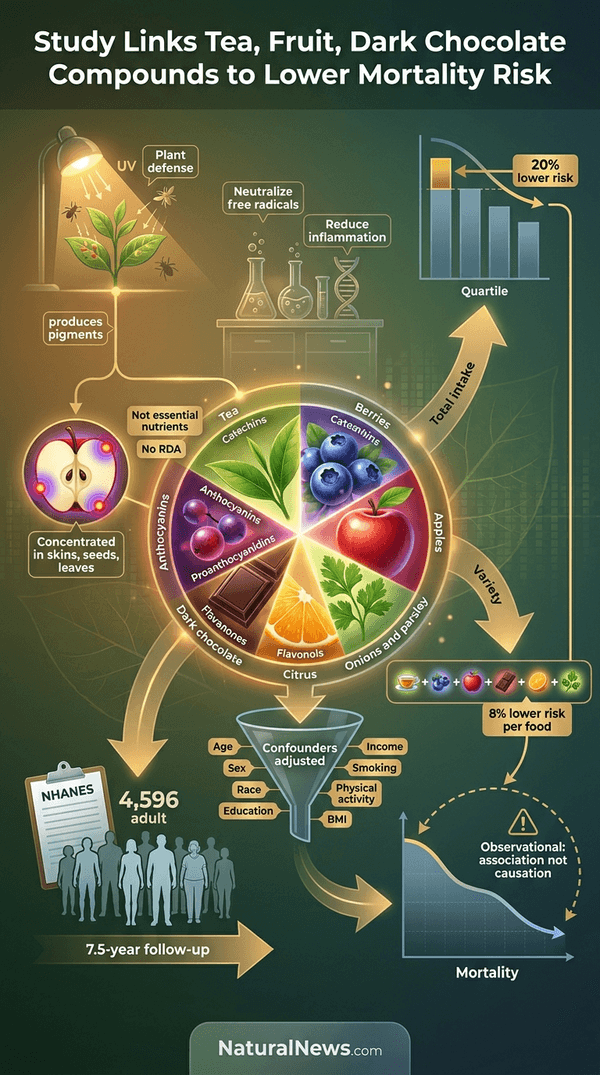
Researchers followed 4,596 U.S. adults for an average of 7.5 years, assessing diets and tracking health outcomes, according to the study. The participants were drawn from the National Health and Nutrition Examination Survey (NHANES), a nationally representative sample of the U.S. population.
The study examined both total intake and variety of dietary pigments, researchers said. Variety was defined as the number of different flavonoid-rich foods consumed. The analysis accounted for total intake and dietary variety separately, the report stated. The researchers adjusted for factors such as age, sex, race, education, income, smoking status, physical activity, and body mass index.
The study population had a mean age of 49 years, and 52% were women. The findings were based on observational data, meaning the study could not establish cause and effect.
Main Findings
People with the highest pigment intake had a lower risk of death than those with the lowest intake, according to the study. Specifically, those in the highest quartile of total flavonoid intake had a 20% lower risk of all-cause mortality compared with those in the lowest quartile. The association was statistically significant after adjusting for potential confounders [1].
People who consumed the widest variety of pigments also had a lower risk of death, researchers said. Each additional flavonoid-rich food consumed was associated with an 8% lower risk of death. The variety effect remained even after accounting for total flavonoid intake. Higher intake of proanthocyanidins, a specific group of pigments found in apples, berries, and dark chocolate, was associated with lower mortality, the study stated [1].
The associations remained after adjustments, according to the report. The researchers noted that the findings were consistent across sensitivity analyses. The study found that those who consume a diverse range of foods rich in flavonoids, such as tea, berries, dark chocolate, and apples, could lower their risk of developing serious health problems [1]. The study did not find significant associations for other flavonoid subclasses, such as flavanones and flavones.
Dietary Sources and Practical Swaps
Researchers identified tea, apples and pears, berries, peaches and plums, and dark chocolate as main dietary sources, the study stated. These foods contributed the most to flavonoid intake among participants. The report suggested rotating fruits, making tea a regular choice, enjoying dark chocolate in small servings, and mixing vegetables.
Researchers said variety across plant foods may expose the body to a broader range of compounds. Different flavonoids have different biological activities, and consuming a mix may provide synergistic benefits. The study authors recommended aiming for a colorful plate.
The findings align with existing dietary guidelines that emphasize fruit and vegetable consumption. The 2020-2025 Dietary Guidelines for Americans recommend adults consume 1.5 to 2 cups of fruit daily [3]. The study authors noted that most Americans do not meet these recommendations. The USDA National Institute of Food and Agriculture and the National Institutes of Health supported the study.
References
- Tea, berries, dark chocolate and apples could lead to a longer lifespan, flavonoid study finds. https://medicalxpress.com/news/2025-06-tea-berries-dark-chocolate-apples.html
- Tea, berries, dark chocolate and apples could lead to a longer life span, study shows. https://www.sciencedaily.com/releases/2025/06/250603115028.htm
- Nutritionists Identify Fruits Linked to Health Benefits - NaturalNews.com, May 05, 2026
Explainer Infographic










Please contact us for more information.